What Is the Swedish Approach to Seasonal Food?

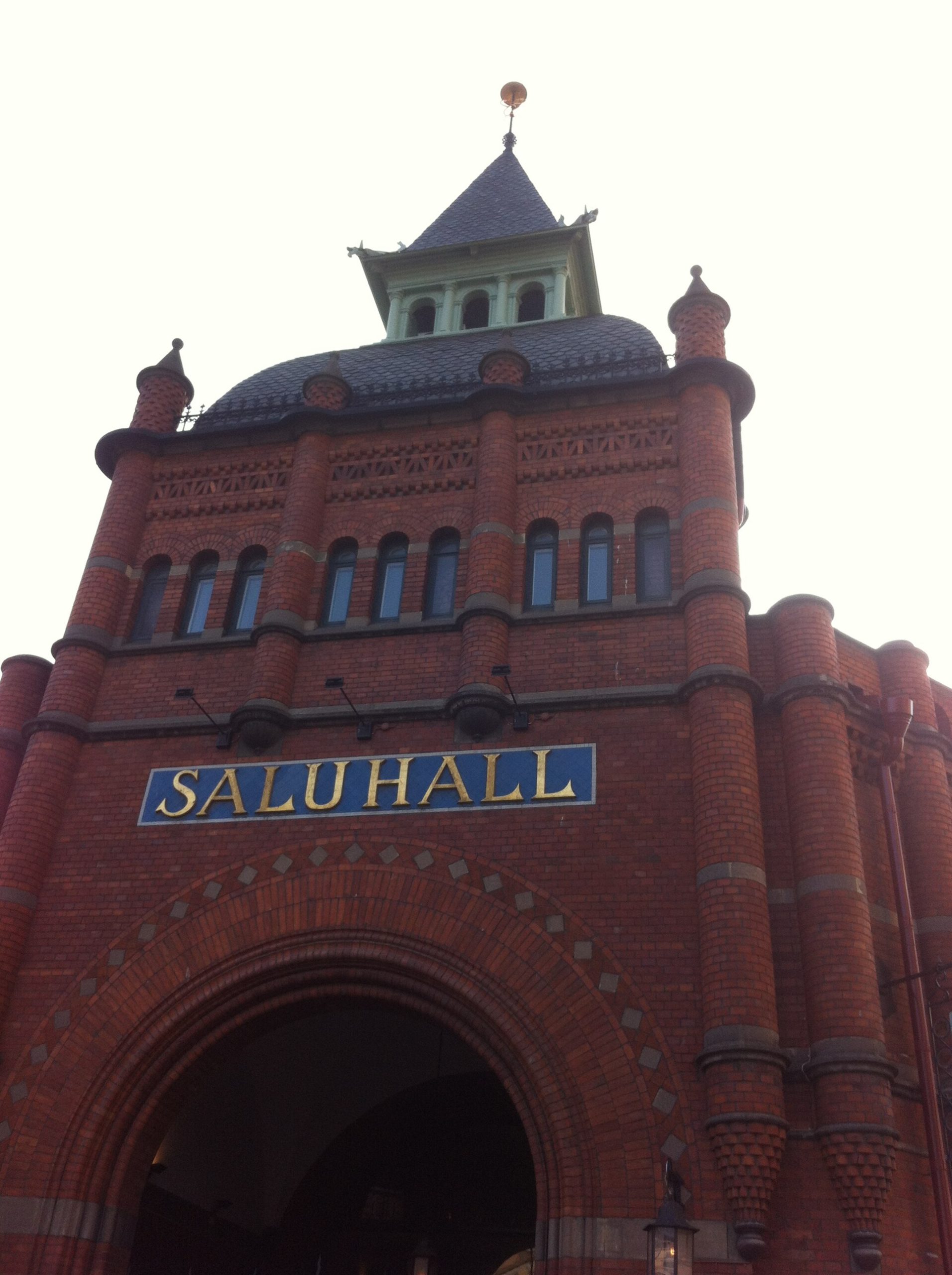
A market in Stockholm

The Swedish approach to seasonal food is not a marketing idea but a working calendar: specific dishes are tied to specific weeks of the year, often by centuries-old convention, church tradition or the growing season itself, and shops, menus and public holidays follow that calendar rather than the other way around. Why does Sweden organise … Read more
Swedish Coffee Culture Beyond Fika, Explained Properly

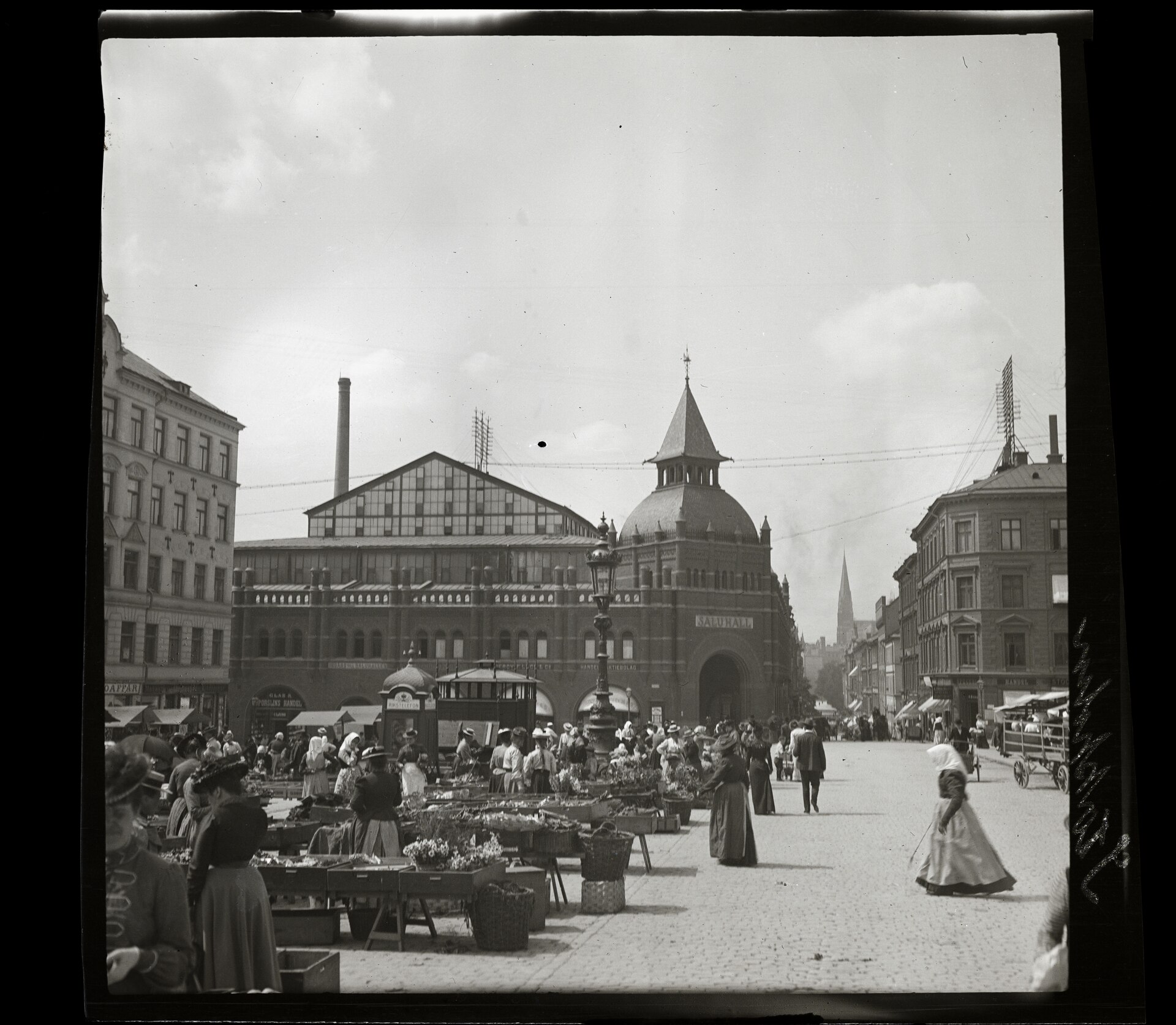
Street life at the inauguration of the Poltava and John Ericsson monuments in Stockholm

Swedish coffee culture is a set of habits built up over roughly 300 years: a drink that was banned by royal decree more than once, a boiled brewing method still used in the north, a coffee break written into labour agreements, and a refill custom that predates any café marketing. Fika is the visible ritual … Read more

What Is a Lunch Deal, and Why Does It Shape the Day?

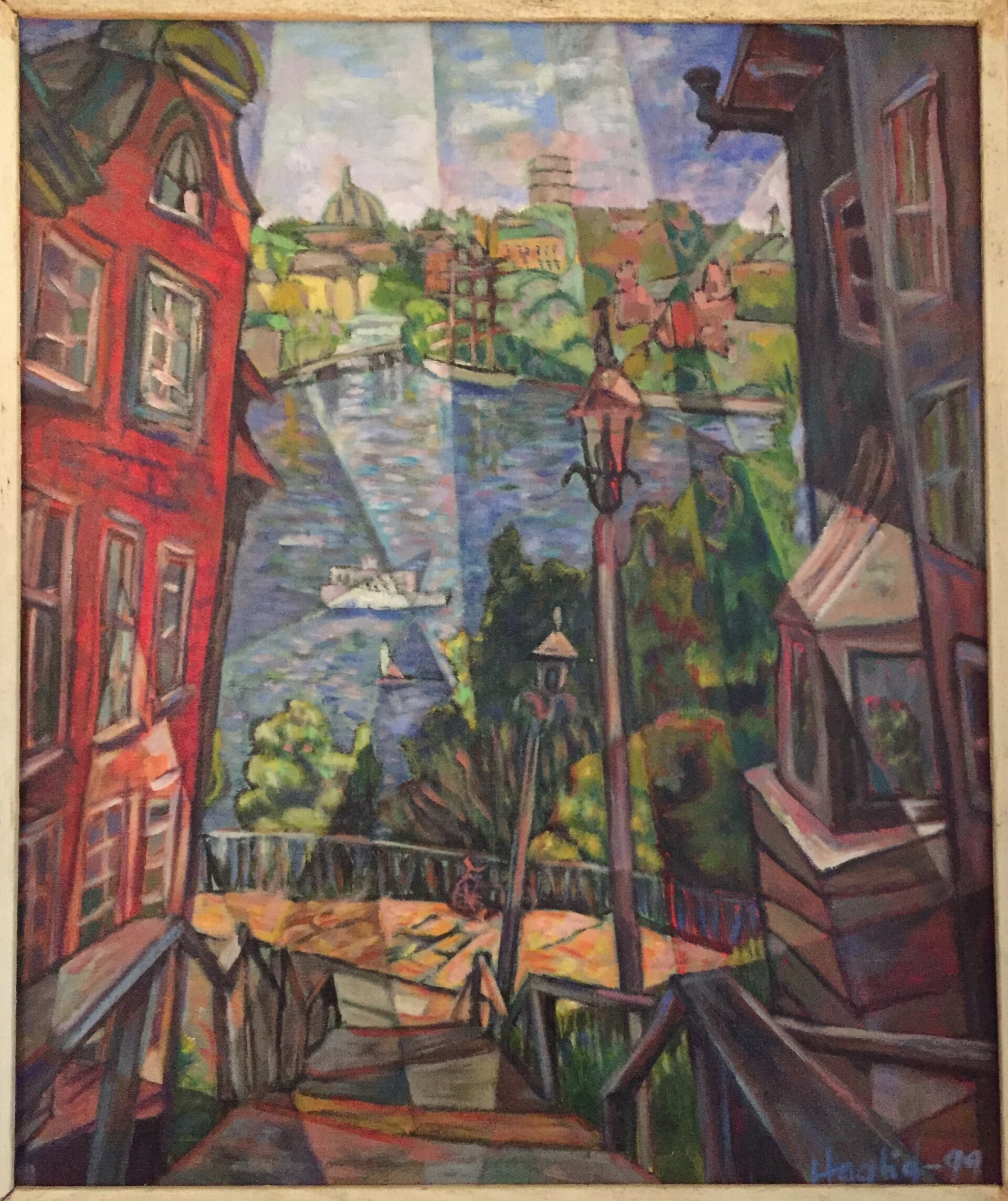
Stairs leading down to the Stockholm waterfront, a 1994 work by Britt Haglid

A lunch deal — dagens lunch, literally “today’s lunch” — is a fixed-price weekday menu that Swedish restaurants change daily, usually a hot main course with salad, bread, and coffee included. It exists because Swedish work culture treats the midday meal as short, regular, and affordable, and it sets the rhythm of when offices empty … Read more

Stockholm’s Michelin Guide Representation, Explained

Street view in the Östermalm district of Stockholm, Sweden

Stockholm sits within Michelin’s guide to Sweden, launched as a standalone national guide in 2019. At the top of that list is a single three-star restaurant; below it sit a handful of one-star kitchens, a wider group of Bib Gourmand listings for good cooking at moderate prices, and a much larger tier of unstarred restaurants … Read more

What Is the Swedish Semla, and When Is It Eaten?

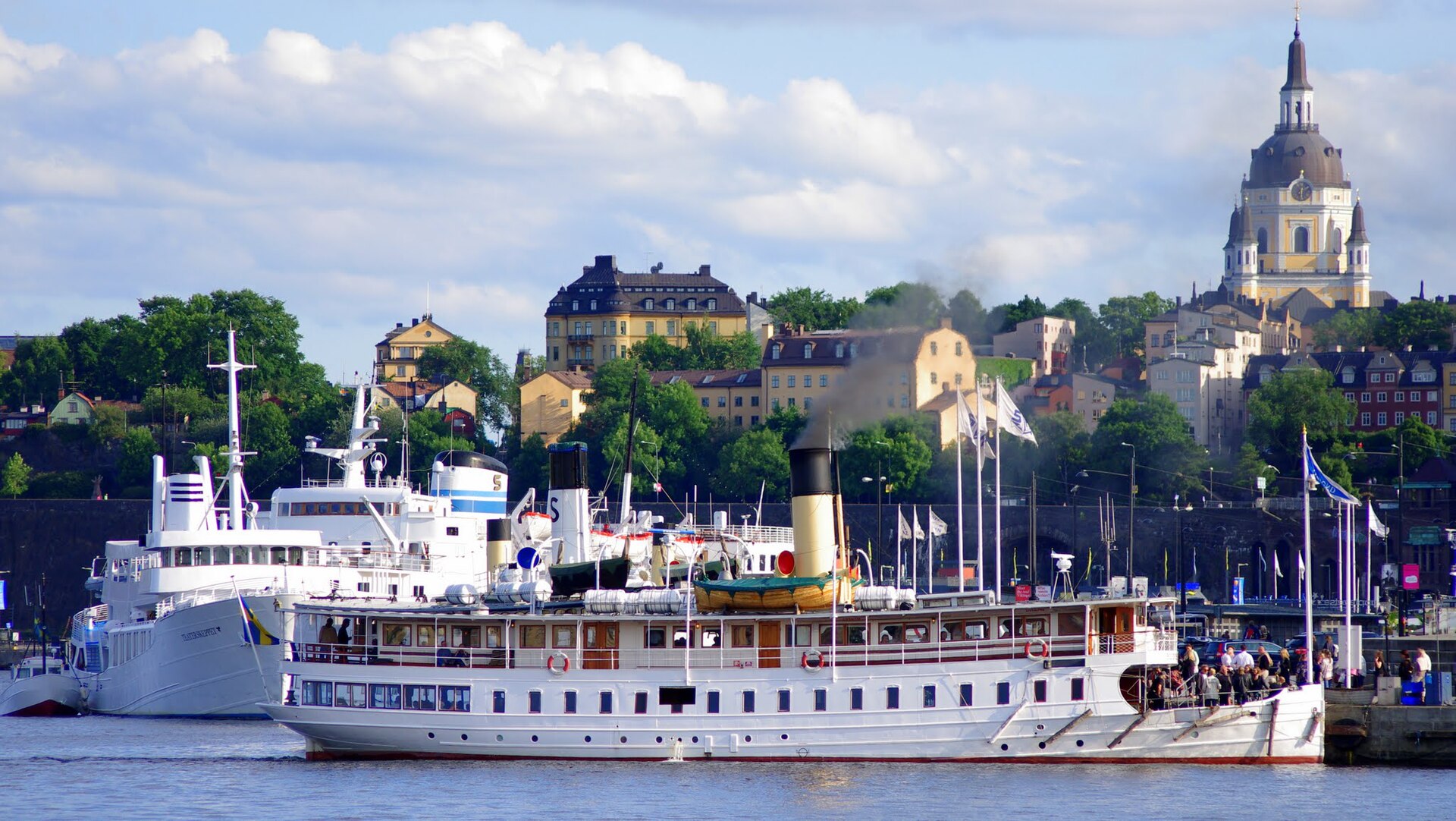
The Stockholm waterfront with the steamship S/S Blidösund

A semla is a cardamom-spiced wheat bun, sliced open, hollowed slightly, filled with almond paste and whipped cream, and finished with the top half of the bun and a dusting of powdered sugar. It is traditionally eaten on Fettisdagen — Shrove Tuesday, the day before the Christian fasting period of Lent begins — though bakeries … Read more

What Is Surströmming, and Why Is It Eaten in Sweden?

The Stockholm waterfront seen from the water

Surströmming is Baltic herring that has been fermented, rather than smoked, cured or pickled, before it is tinned. The fermentation continues inside the sealed can, which is why the tin bulges and the fish smells intensely sour when opened. It is eaten because it is a long-standing regional food from Sweden’s northern coast, tied to … Read more

What Are Swedish Meatballs, Actually? A Straight Answer

The Stockholm Waterfront building in 2011

Swedish meatballs — köttbullar — are small, pan-fried balls of minced beef and pork bound with a milk-soaked breadcrumb mixture and grated onion, seasoned with white pepper and often a trace of allspice, then served with boiled or mashed potatoes, a cream-based sauce, and lingonberry jam. That combination, not the meatball alone, is what defines … Read more

What Is Husmanskost? Sweden’s Traditional Home Cooking

The waterfront of Stockholm, Sweden

Husmanskost is the Swedish term for traditional home cooking — everyday dishes built around potatoes, root vegetables, dairy, preserved fish and meat stretched with grains or gravy. It covers meatballs, pea soup, herring, and pan-fried hash, and it is what a Stockholm restaurant means when its menu says “husmanskost” rather than something more experimental. What … Read more

About what you read here. Access Stockholm is an independent guide written from published, checkable sources — museum and transport operators’ own information, official city and tourism data, and the public record. We have not visited the places we write about, and we do not publish personal recommendations or invented “local favourites”. Where we point to something notable we say who says so.

Opening times, fares, closures and prices change, often at short notice. Everything here is a starting point, not a booking confirmation — always check the venue’s or operator’s own site before you build a day around it. We are not a travel agency and we give no advice on visas, insurance, health or safety requirements; for those, use your own government’s official guidance.

We do not book anything. Access Stockholm is a guide. It sells nothing, takes no bookings or reservations, handles no payments, and holds no tickets, rooms or seats. Some links here lead to travel companies, and some of those are affiliate links that may earn this site a commission at no extra cost to you. Any booking you make is a contract between you and that company, under its own terms, prices and cancellation rules. We are not a party to it and have no responsibility for it — including availability, prices, changes, cancellations, refunds or anything that goes wrong on the trip. Check the details with the company before you pay.