A Walking Route Through Gamla Stan: How It Actually Works
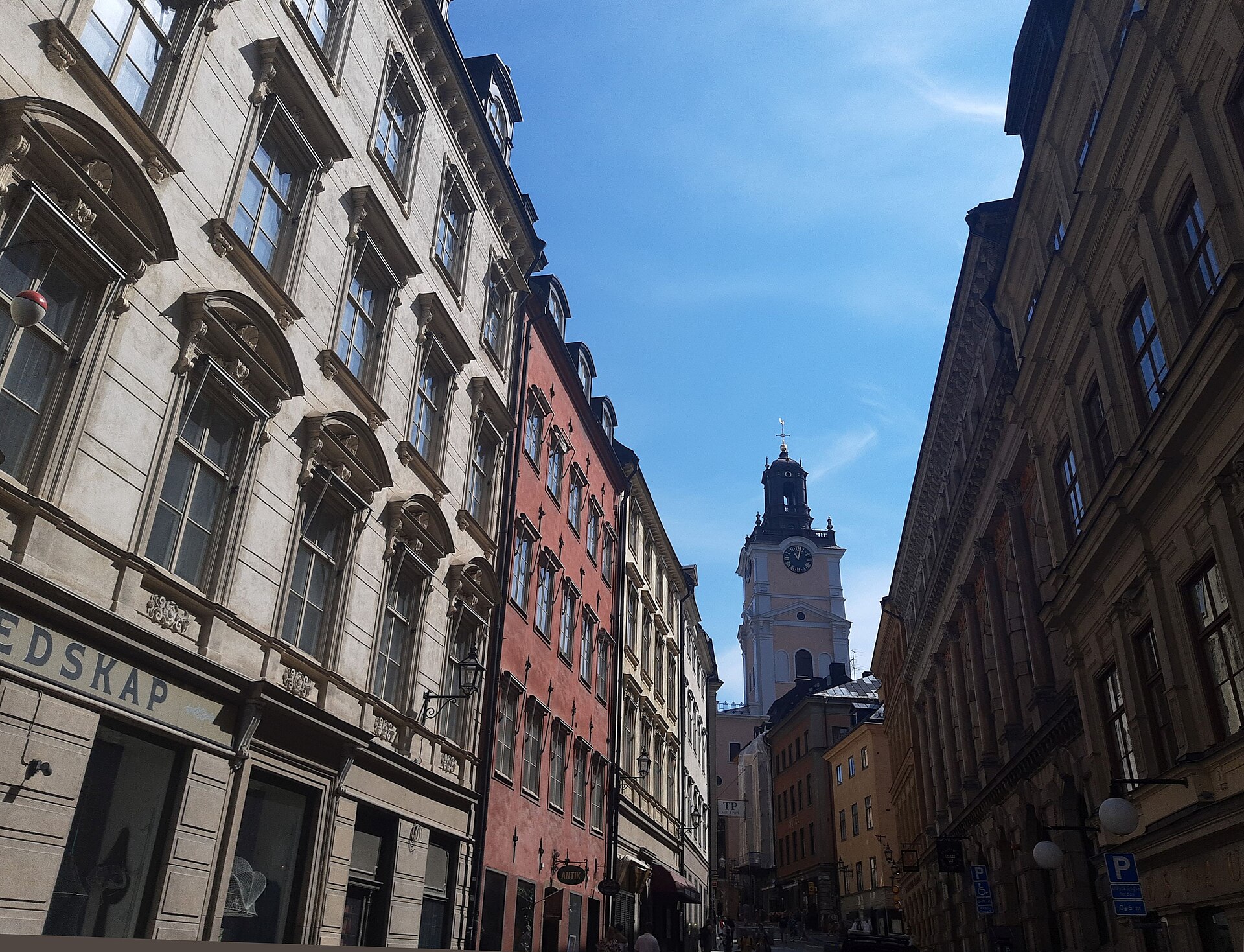
A street in Gamla stan leading towards Storkyrkan

A walking route through Gamla Stan works best as a loop of under two kilometres: start near Slussen or the Gamla Stan metro station, cross to Stortorget, take in Storkyrkan and the Royal Palace, cut through the narrow medieval lanes to Västerlånggatan, and finish either at Riddarholmen or back at the water. Most of it … Read more
What Are Stockholm’s Million Programme Suburbs?

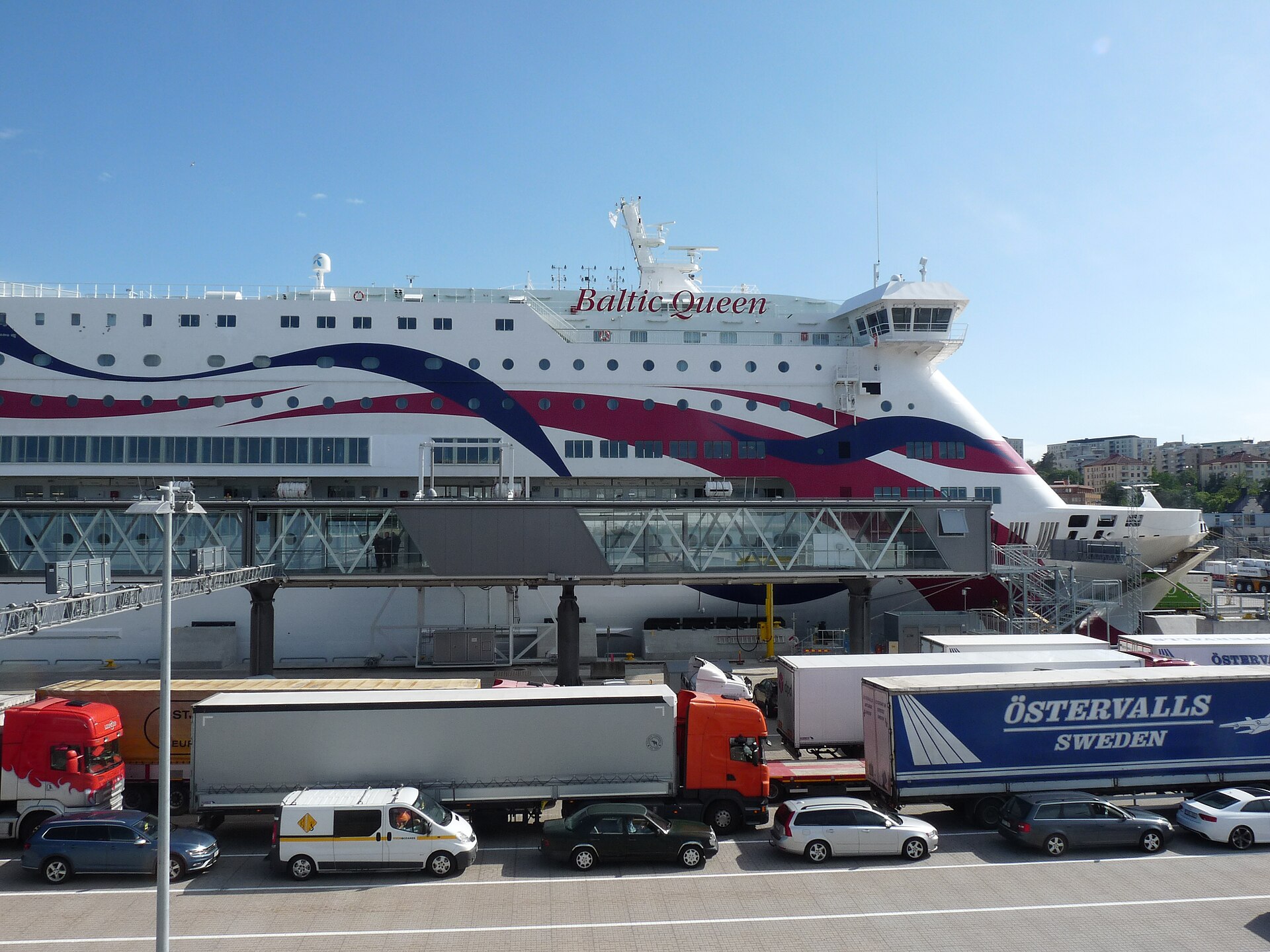
The ferry Baltic Queen moored at the Värtaterminalen in Stockholm

The Million Programme suburbs (Miljonprogrammet, in Swedish) are the housing districts built across Stockholm and the rest of Sweden between roughly 1965 and 1974, under a national government commitment to build one million new dwellings in ten years. They were built to fix a genuine housing shortage, using industrialised, prefabricated construction on a scale Sweden … Read more

Stockholm Inner City vs Suburbs: What’s the Difference?

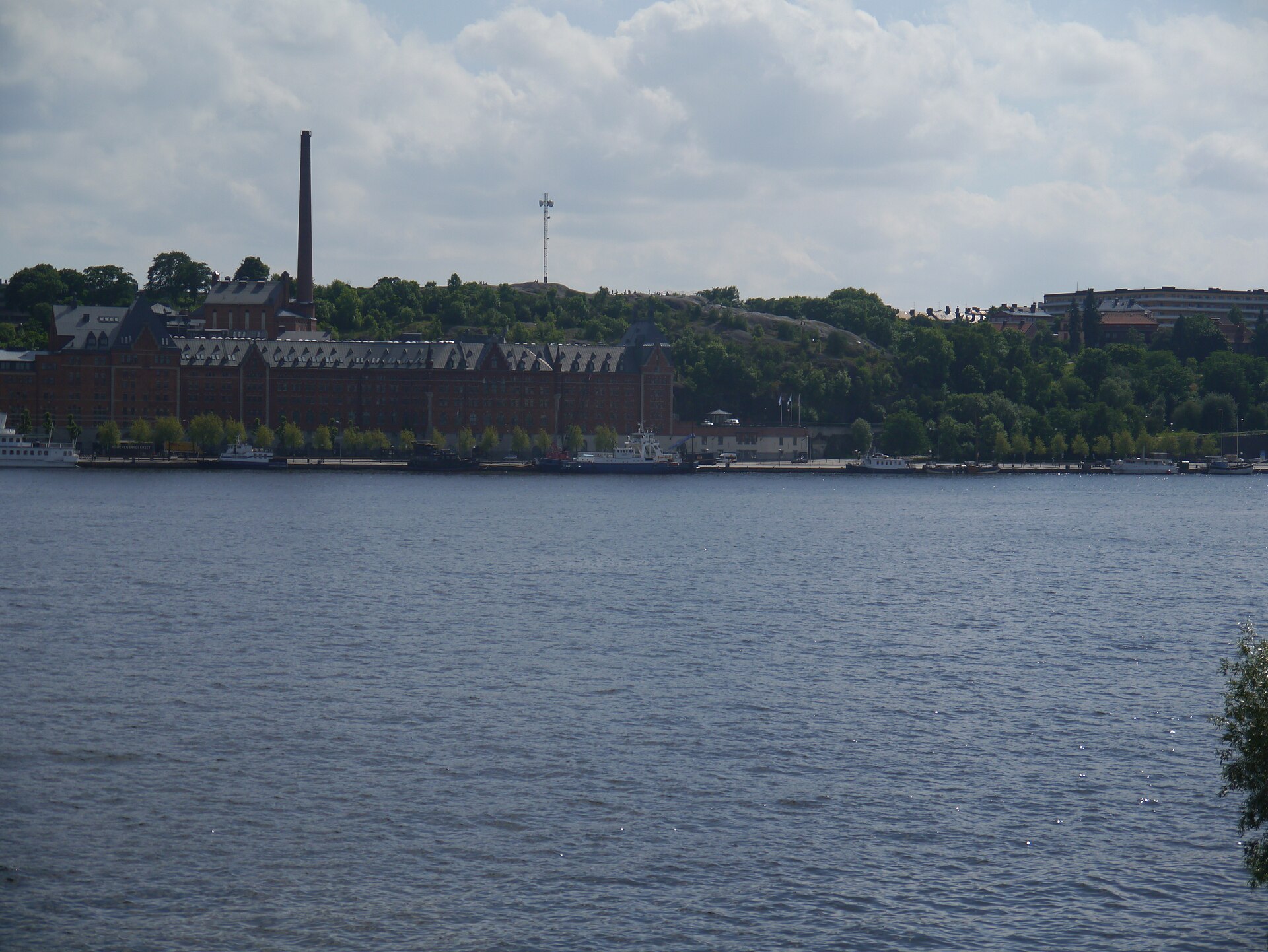
View of Södermalm in Stockholm

Stockholm’s inner city — innerstaden — is the compact, largely 19th- and early 20th-century core built across a cluster of islands and a peninsula, dense with stone apartment blocks on a fairly regular street pattern. The suburbs, ytterstaden, are the districts built mostly after 1945, further from the centre, often organised around a single metro … Read more

How Is Stockholm Divided Administratively, and Why?

View from Stockholm City Hall towards the island of Södermalm

Stockholm is divided administratively in layers, not in one single map. The city sits inside Stockholm County, is itself a municipality with its own council, and is then split into a smaller number of district councils (stadsdelsnämnder) that run local services. The neighbourhood names visitors know — Södermalm, Östermalm, Gamla Stan — are a separate, … Read more

What Is Södra Station, and What Is Around It?

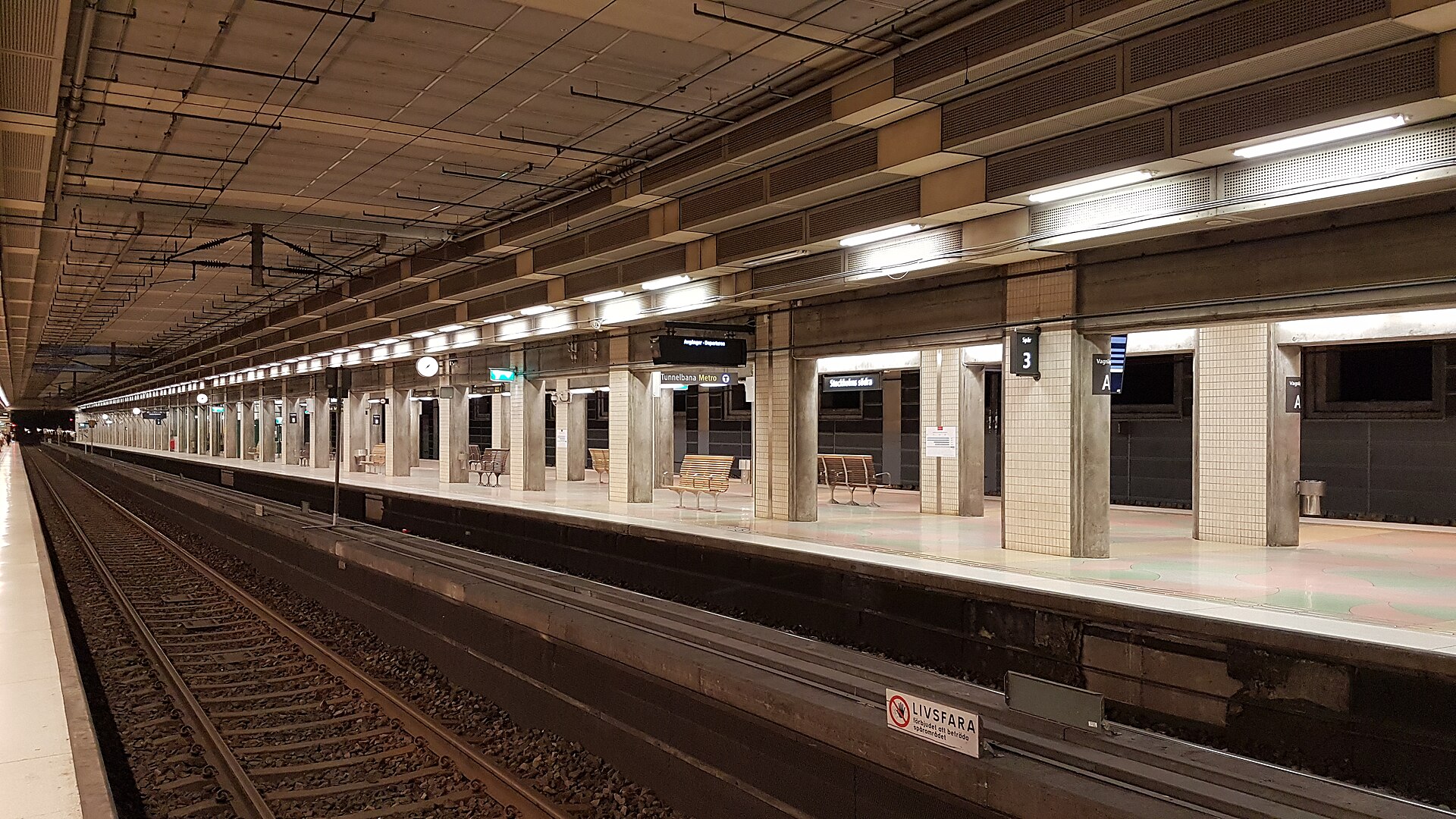
Exterior view of Stockholm Södra station

Södra Station is two things at once: a commuter-rail stop cut into the southern edge of Södermalm, and the residential district — officially Södra Stationsområdet — that grew up around it from the 1990s onward. The area sits on land that was once a railway marshalling yard, and today it is one of Stockholm’s clearer … Read more

What Is Hammarby Sjöstad, and What Was It Built to Prove?

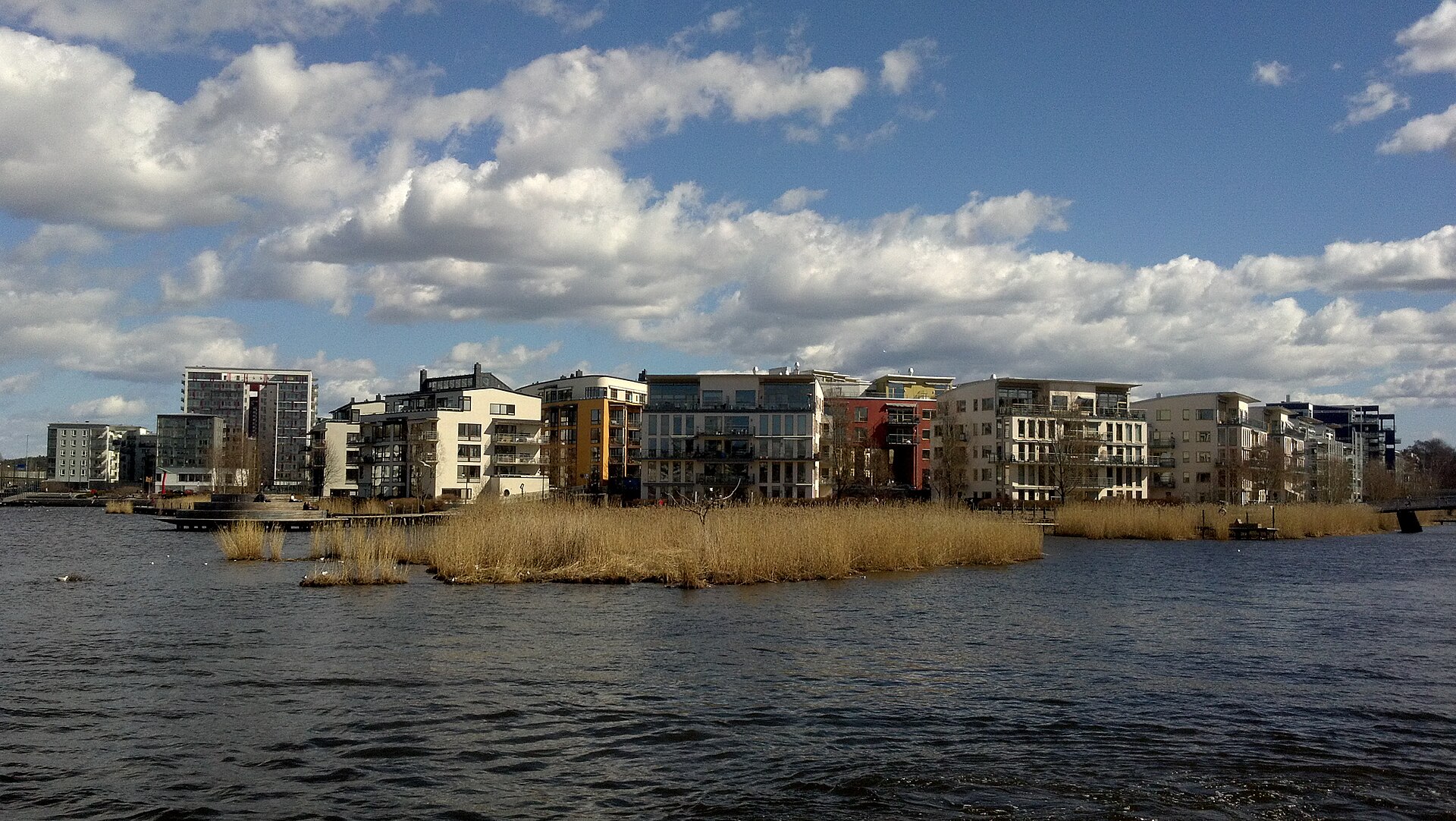
A view of the Hammarby Sjöstad district in Stockholm

Hammarby Sjöstad is a district built from the mid-1990s onward on former industrial and harbour land south of Södermalm, around a lake called Hammarby Sjö. It was built to prove that a dense new city district could run its waste, water, heating and energy as one linked system, cutting its environmental impact well below that … Read more

What Is Långholmen, and What Was It Before?

The old prison wall on Långholmen in Stockholm

Långholmen is a small island in central Stockholm, sitting in Riddarfjärden between Kungsholmen and Södermalm. For roughly 250 years it was one of the city’s main sites of confinement — first a workhouse, then a prison that operated until 1975. Today the same buildings hold a hostel, a museum, and a nature reserve with a … Read more

What Is Skeppsholmen? Stockholm’s Museum Island Explained

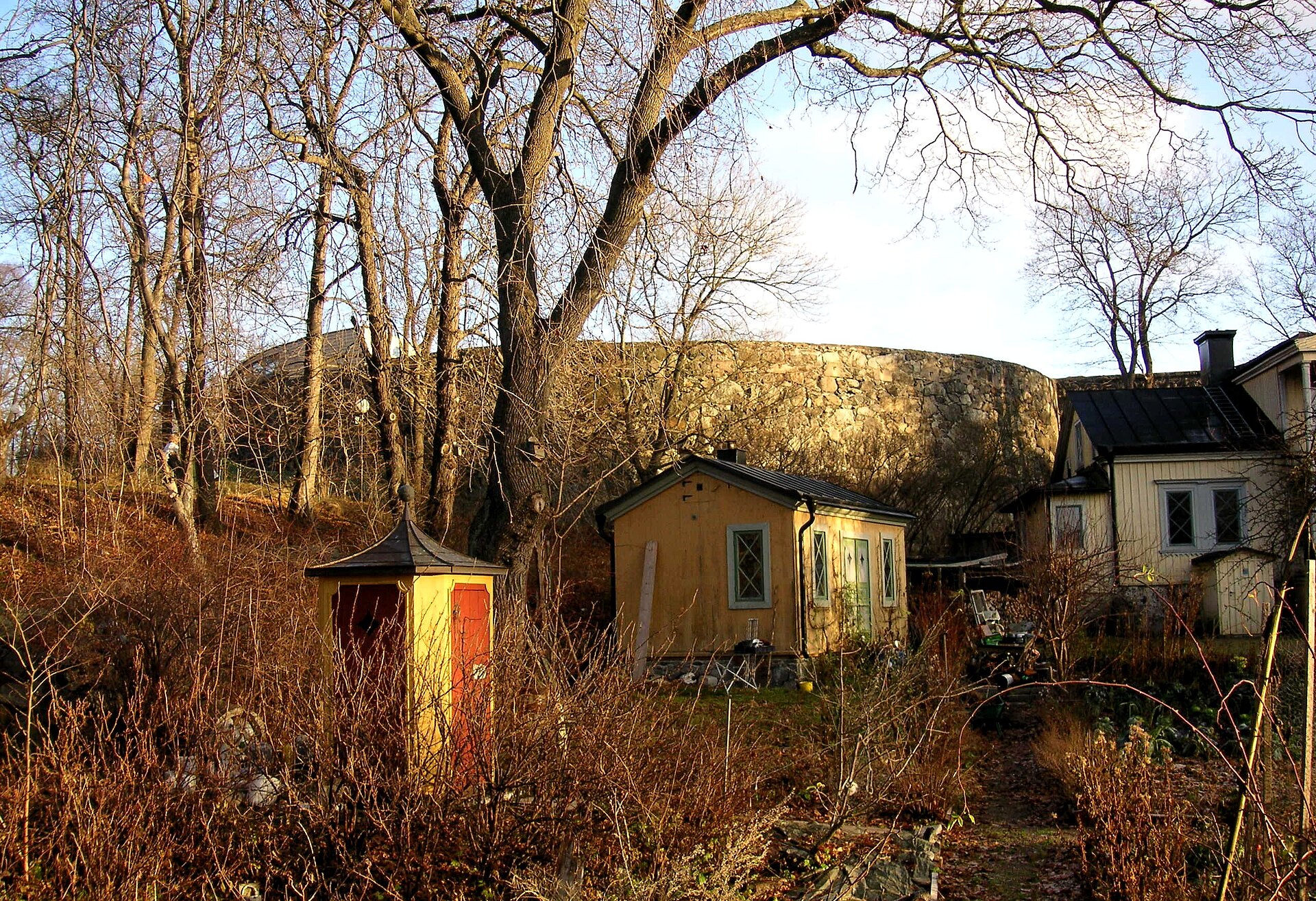
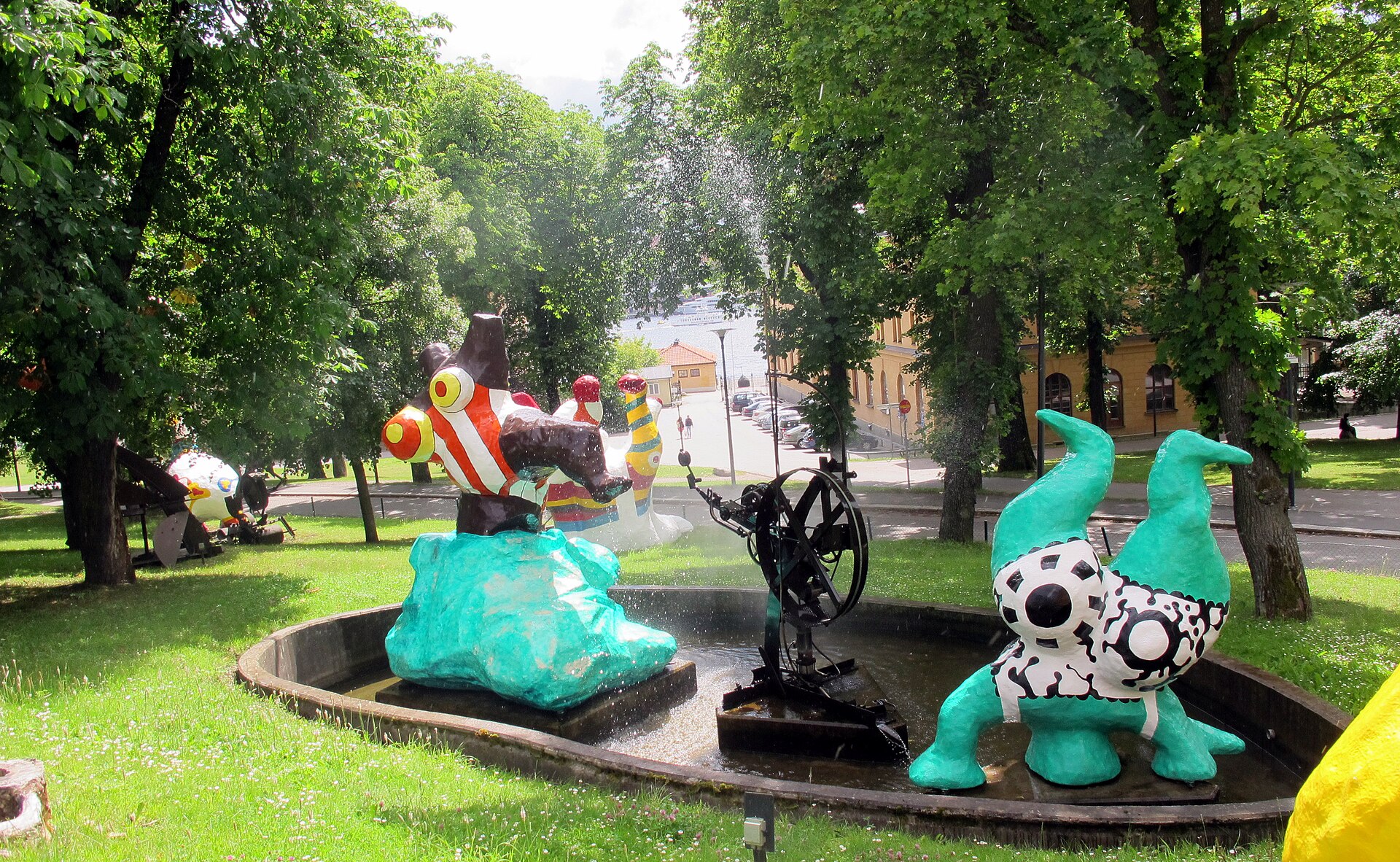
The Moderna Museet sculpture park on Skeppsholmen island in Stockholm

Skeppsholmen is a small island in central Stockholm that once served as a base for the Swedish Navy and now holds two of the city’s national museums, a preserved sailing ship, and a former naval church. It sits between Blasieholmen and Djurgården, reached on foot by a single bridge, and carries almost no through traffic. … Read more

What Is Djurgården, and Why Is So Much of It Parkland?

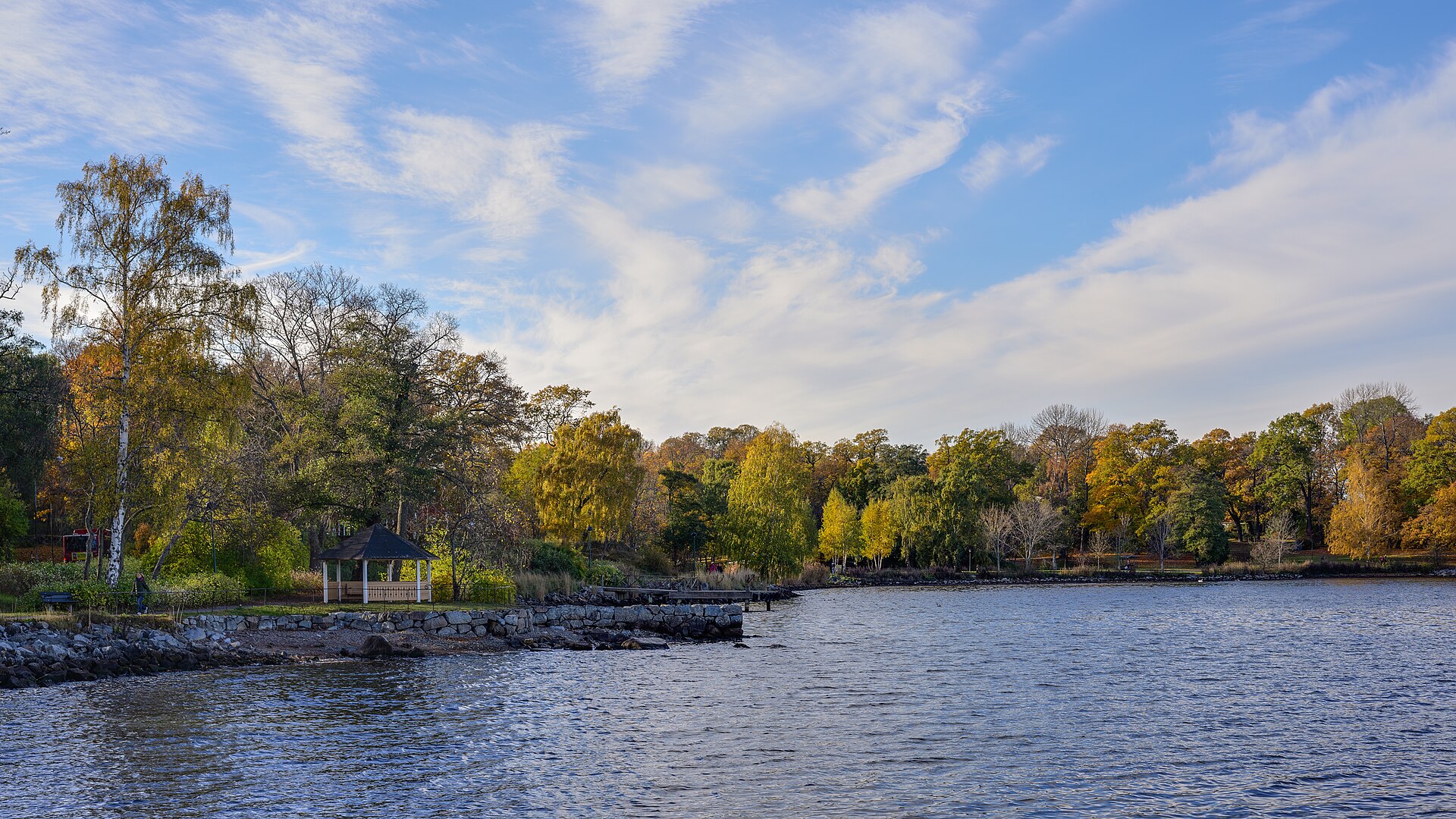
Landscape at Djurgården in Stockholm

Djurgården is an island in central Stockholm that has belonged to the Swedish Crown since the sixteenth century and is protected today as parkland under national law. That legal status — rather than zoning decisions made recently — is why it was never built up like the districts around it, and why it now holds … Read more

About what you read here. Access Stockholm is an independent guide written from published, checkable sources — museum and transport operators’ own information, official city and tourism data, and the public record. We have not visited the places we write about, and we do not publish personal recommendations or invented “local favourites”. Where we point to something notable we say who says so.

Opening times, fares, closures and prices change, often at short notice. Everything here is a starting point, not a booking confirmation — always check the venue’s or operator’s own site before you build a day around it. We are not a travel agency and we give no advice on visas, insurance, health or safety requirements; for those, use your own government’s official guidance.

We do not book anything. Access Stockholm is a guide. It sells nothing, takes no bookings or reservations, handles no payments, and holds no tickets, rooms or seats. Some links here lead to travel companies, and some of those are affiliate links that may earn this site a commission at no extra cost to you. Any booking you make is a contract between you and that company, under its own terms, prices and cancellation rules. We are not a party to it and have no responsibility for it — including availability, prices, changes, cancellations, refunds or anything that goes wrong on the trip. Check the details with the company before you pay.