Is the Travel Card Worth It for a Stockholm Resident?

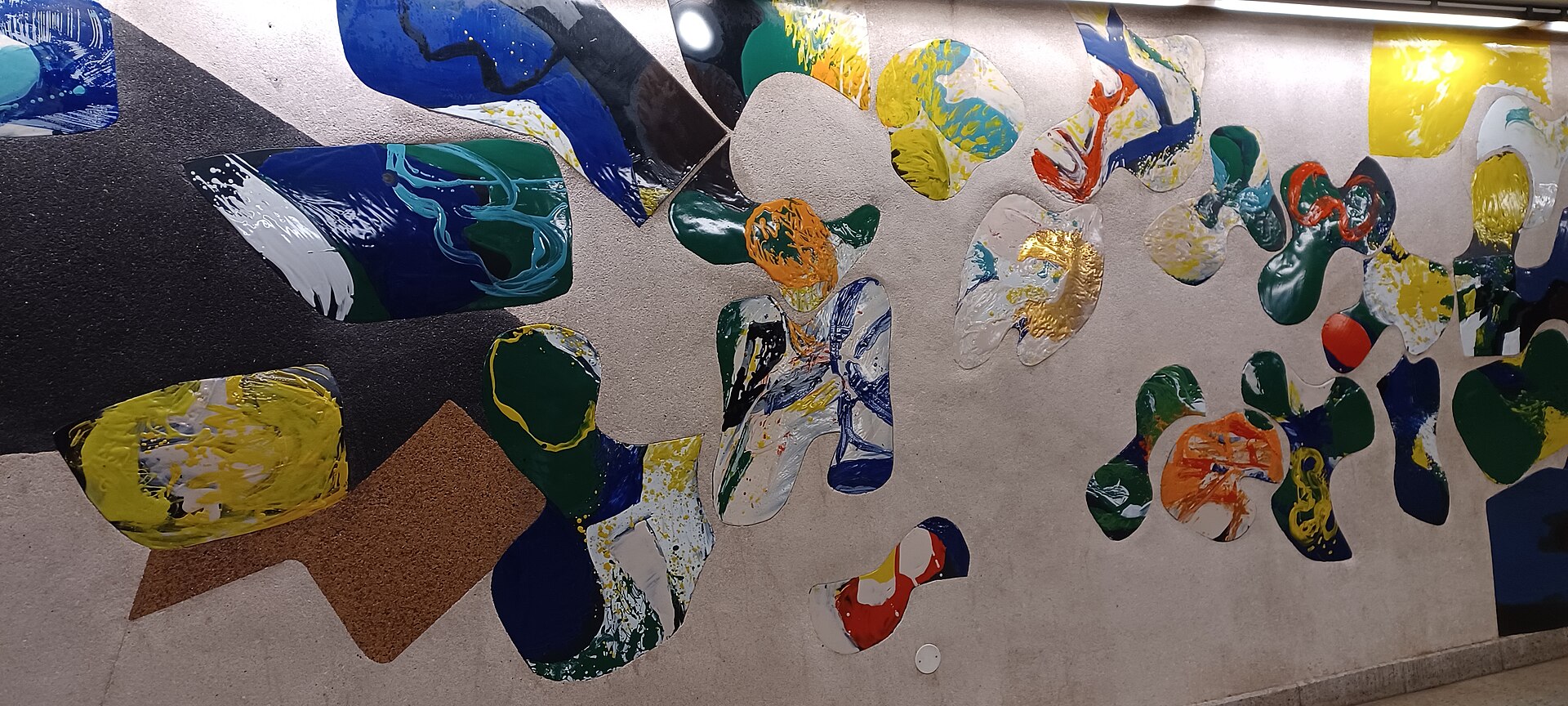
Detail of S Fogde's tile artwork set into the concrete wall at Slussen metro station's Götgatan exit

For most residents, yes — a period pass on the SL travel card is worth it once someone makes more than roughly eight to ten single-fare trips a month, which describes almost anyone commuting by metro, bus or pendeltåg on a regular basis. Occasional or remote-working residents may do better on pay-as-you-go. What is the … Read more

What Is It Like to Cycle Through a Stockholm Winter?

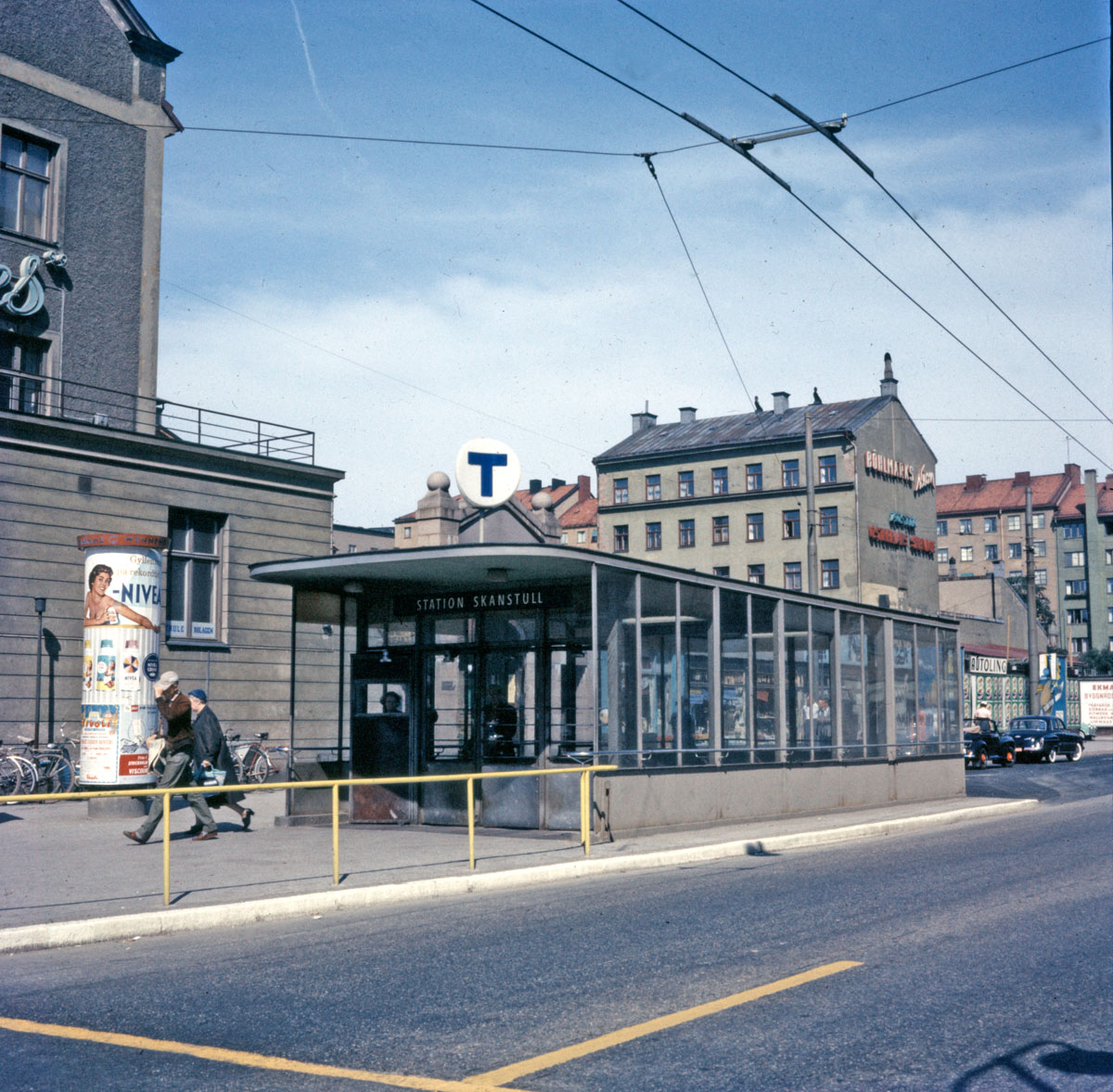
Entrance to the Skanstull subway station at Ringvägen in Stockholm, 1957

Cycling through a Stockholm winter means riding on cleared but often icy paths, in temperatures that typically sit between roughly 0°C and -5°C rather than deep freeze, and in daylight that shrinks to a few hours in December. It is possible, common among commuters, and requires different tyres and different expectations than summer riding. How … Read more

How Do You Reach Stockholm’s Day Trips by Public Transport?

Platform of Kungsträdgården underground metro station in Norrmalm, Stockholm

Most of Stockholm’s day-trip destinations are reachable without a car, but no single ticket covers all of them. Destinations inside Stockholm County — Drottningholm, Vaxholm, the inner archipelago — run on SL, the regional transport authority’s metro, bus and boat network. Destinations further out, such as Uppsala or Sigtuna, use regional trains and buses run … Read more

How Do Taxis Work in Stockholm, and Why Show the Price?

Rock-hewn interior of Rådhuset metro station in Kungsholmen, Stockholm

Stockholm taxis are privately run by competing companies, not a single municipal fleet, and each company sets its own fares. Because prices are not fixed by law, every taxi is required to display a price list on the windscreen so a passenger can check the cost of a reference journey before getting in. Why is … Read more

What Accessibility Does the Stockholm Transport Network Have?

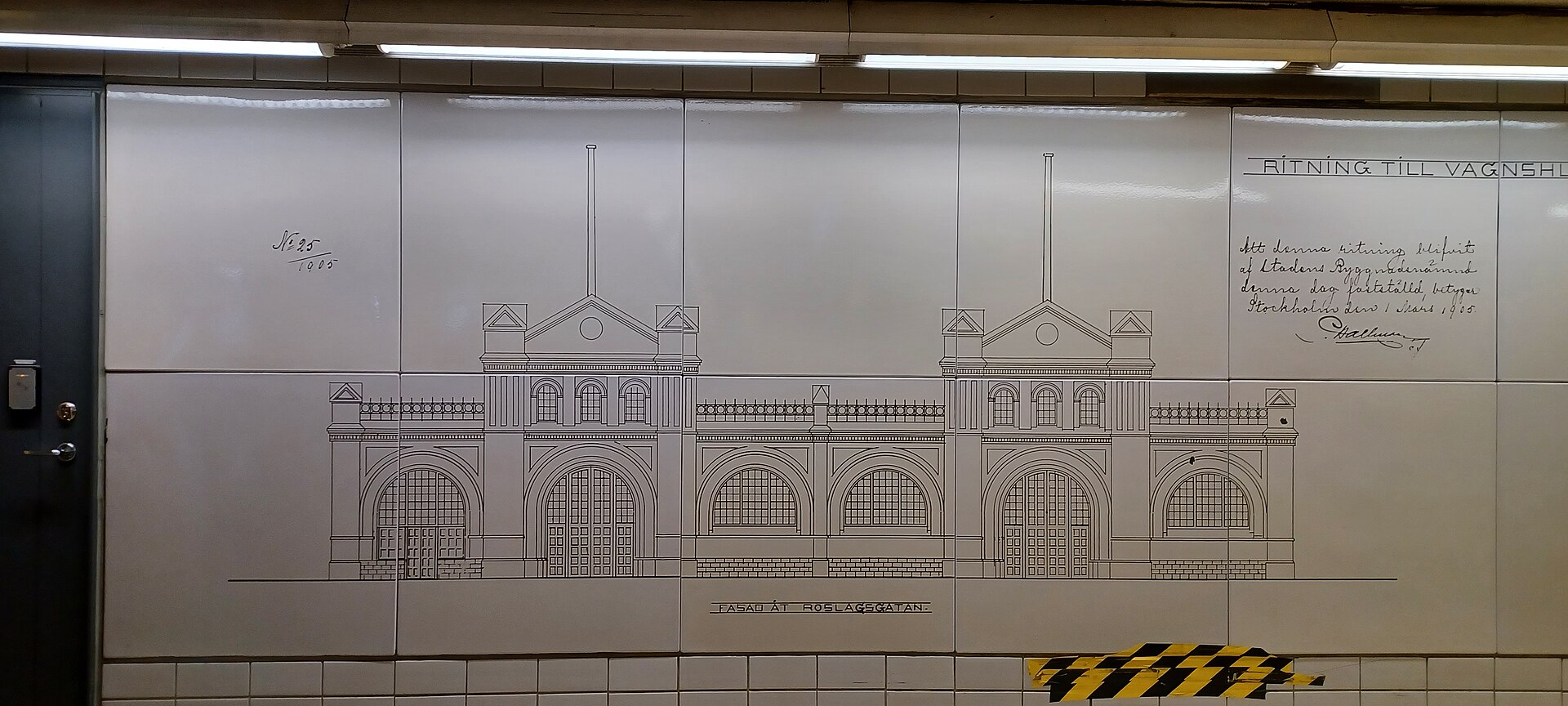
Porcelain tiles printed with a building design as artwork at Rådmansgatan metro station in Stockholm

Stockholm’s public transport network is largely built around step-free access, but unevenly so. SL, the regional operator, states that most metro stations, all buses and most pendeltåg platforms are wheelchair accessible, while a minority of older metro stations and some archipelago boats still involve stairs. The safest approach is always to check the specific station … Read more

How Do You Reach Other Swedish Cities by Train From Stockholm?

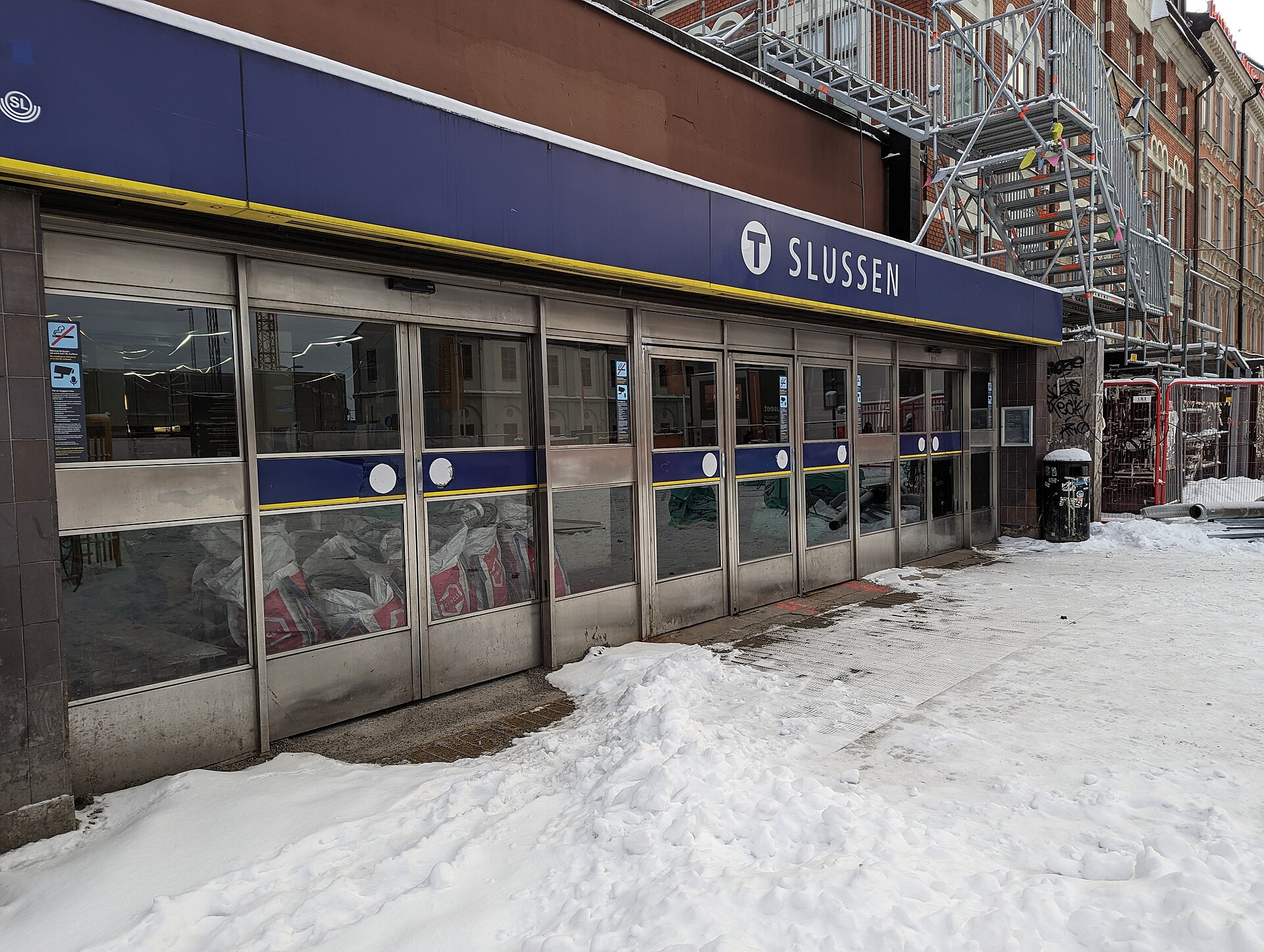
Locked metro exit towards Södermalmstorg at Slussen during the rebuilding of Nya Slussen in Stockholm

Almost all domestic trains from Stockholm to other Swedish cities leave from Stockholm Central Station (Stockholm C), in the city centre next to T-Centralen. Several operators compete on the main lines — SJ, MTR Express, Vy and Snälltåget among them — running everything from fast X2000 services to Gothenburg and Malmö to slower regional trains … Read more

Stockholm’s Archipelago Boats: What They Are, By Season

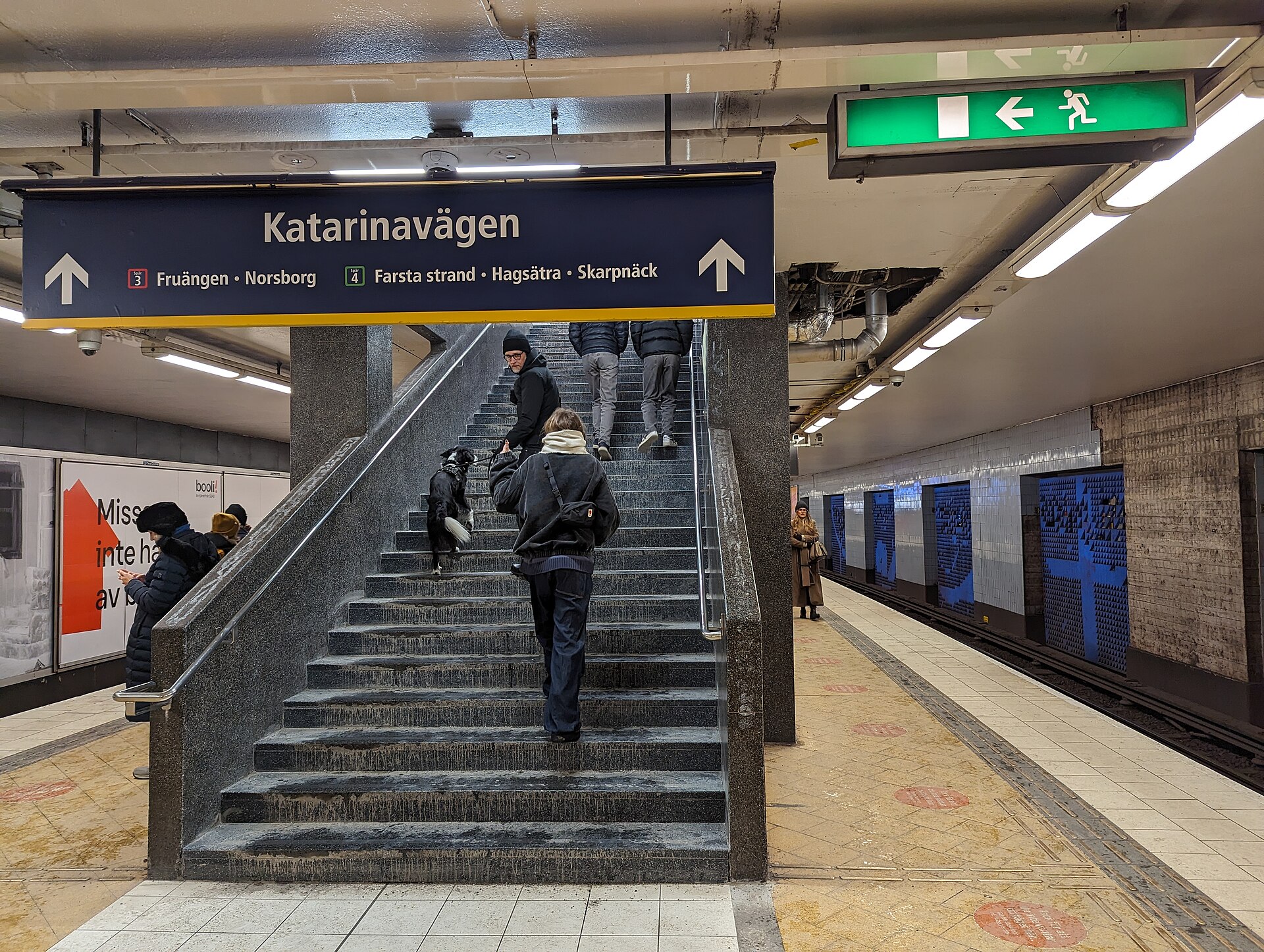
The new Slussen metro exit leading to Katarinavägen in Stockholm

The archipelago boats are the passenger ferries that link central Stockholm to the islands scattered across the Stockholm archipelago, an area with roughly 30,000 islands, skerries and rocks stretching east into the Baltic. They run on a summer-heavy timetable: dense and frequent from late spring to early autumn, sharply reduced the rest of the year, … Read more

How Does Cycling Work in Stockholm? Lanes, Rules and Bikes

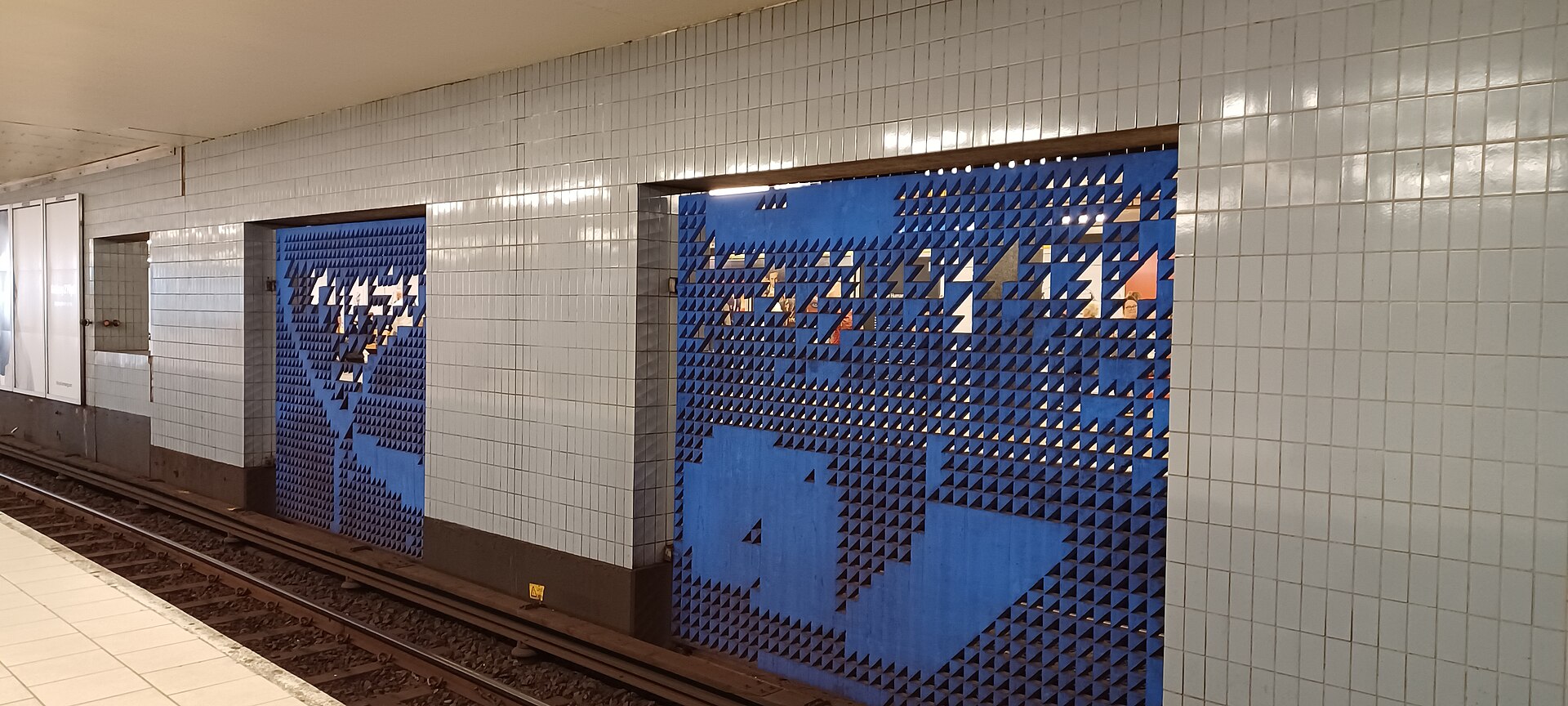
Perforated painted metal artwork on the northbound red line platform at Slussen metro station in Stockholm

Cycling in Stockholm runs on a citywide network of dedicated lanes called cykelbanor, built to connect the islands the city is spread across, plus a set of traffic rules set by Sweden’s national transport agency. Bikes can also be combined with parts of the public transport system, though rules vary by mode and depend on … Read more

About what you read here. Access Stockholm is an independent guide written from published, checkable sources — museum and transport operators’ own information, official city and tourism data, and the public record. We have not visited the places we write about, and we do not publish personal recommendations or invented “local favourites”. Where we point to something notable we say who says so.

Opening times, fares, closures and prices change, often at short notice. Everything here is a starting point, not a booking confirmation — always check the venue’s or operator’s own site before you build a day around it. We are not a travel agency and we give no advice on visas, insurance, health or safety requirements; for those, use your own government’s official guidance.

We do not book anything. Access Stockholm is a guide. It sells nothing, takes no bookings or reservations, handles no payments, and holds no tickets, rooms or seats. Some links here lead to travel companies, and some of those are affiliate links that may earn this site a commission at no extra cost to you. Any booking you make is a contract between you and that company, under its own terms, prices and cancellation rules. We are not a party to it and have no responsibility for it — including availability, prices, changes, cancellations, refunds or anything that goes wrong on the trip. Check the details with the company before you pay.