What Is Skokloster Castle? Sweden’s Baroque Palace

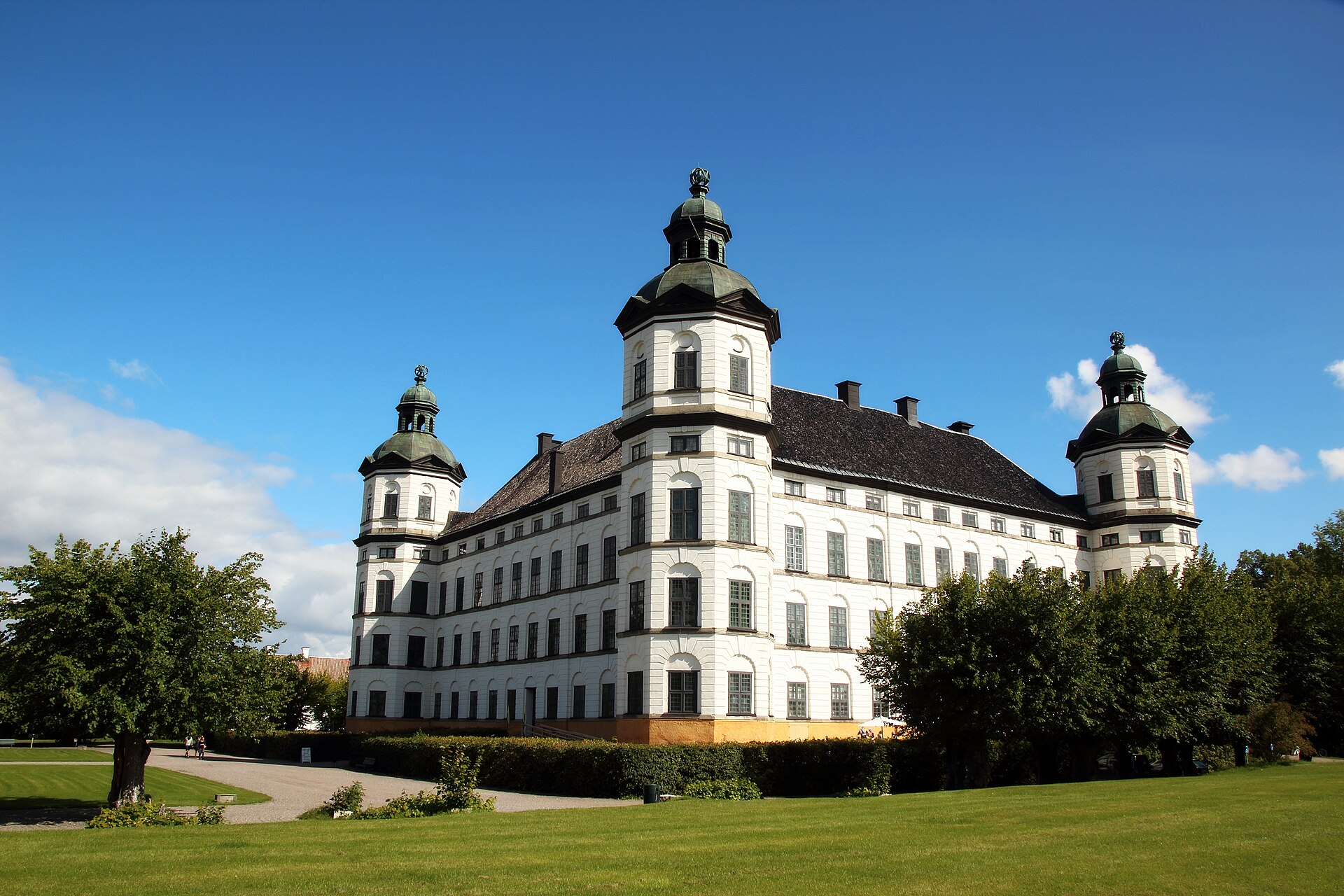
Skoklosters slott seen from the outside

What is Skokloster Castle? Skokloster Castle (Skokloster slott) is a 17th-century Baroque palace on a peninsula in Lake Mälaren, roughly midway between Stockholm and Uppsala. It was built for a Swedish field marshal, was never fully completed, and now operates as a state-run museum holding one of Sweden’s largest collections of period furniture, arms, armour … Read more

What Is Mariefred? Sweden’s Small Lakeside Town Explained

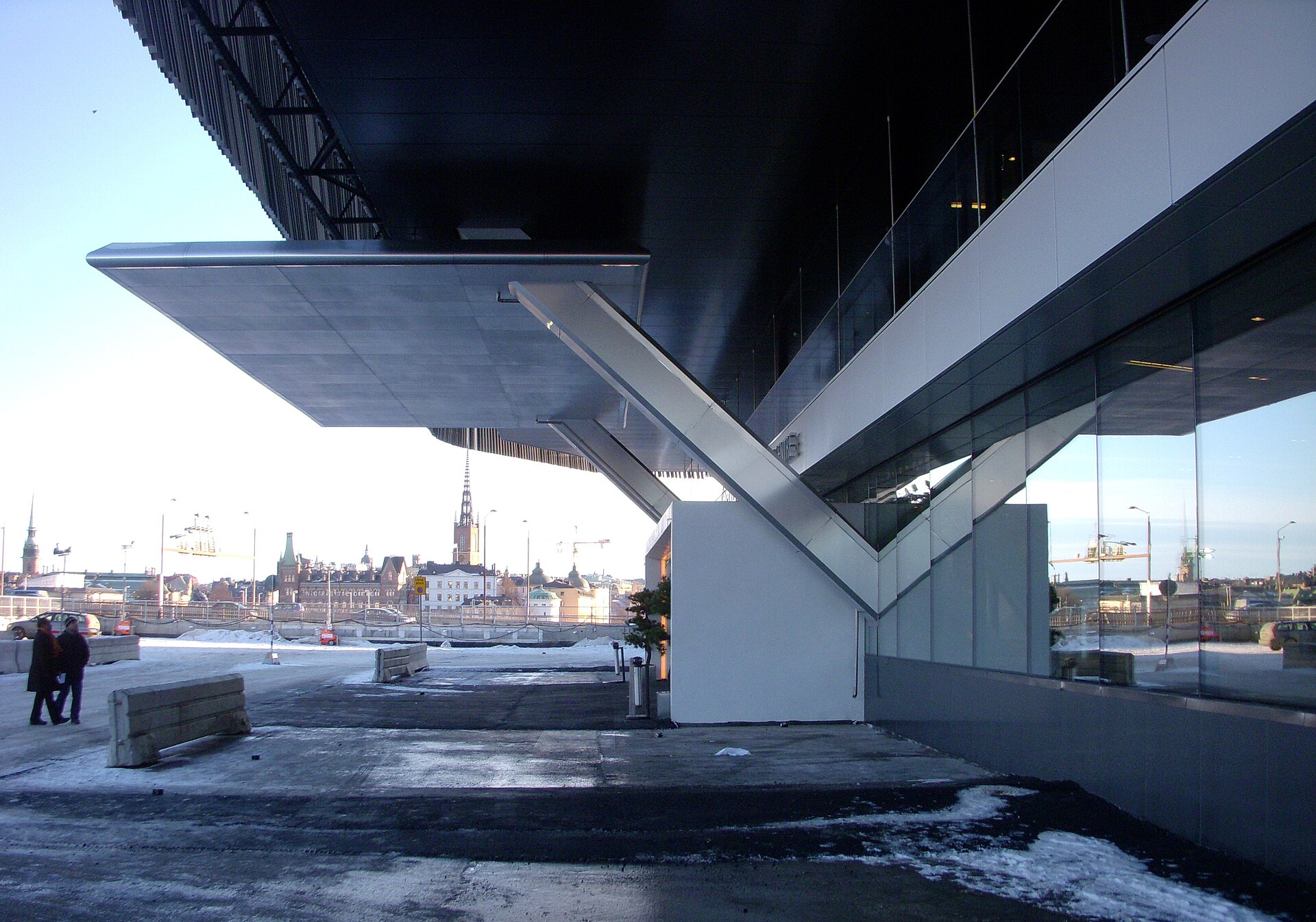
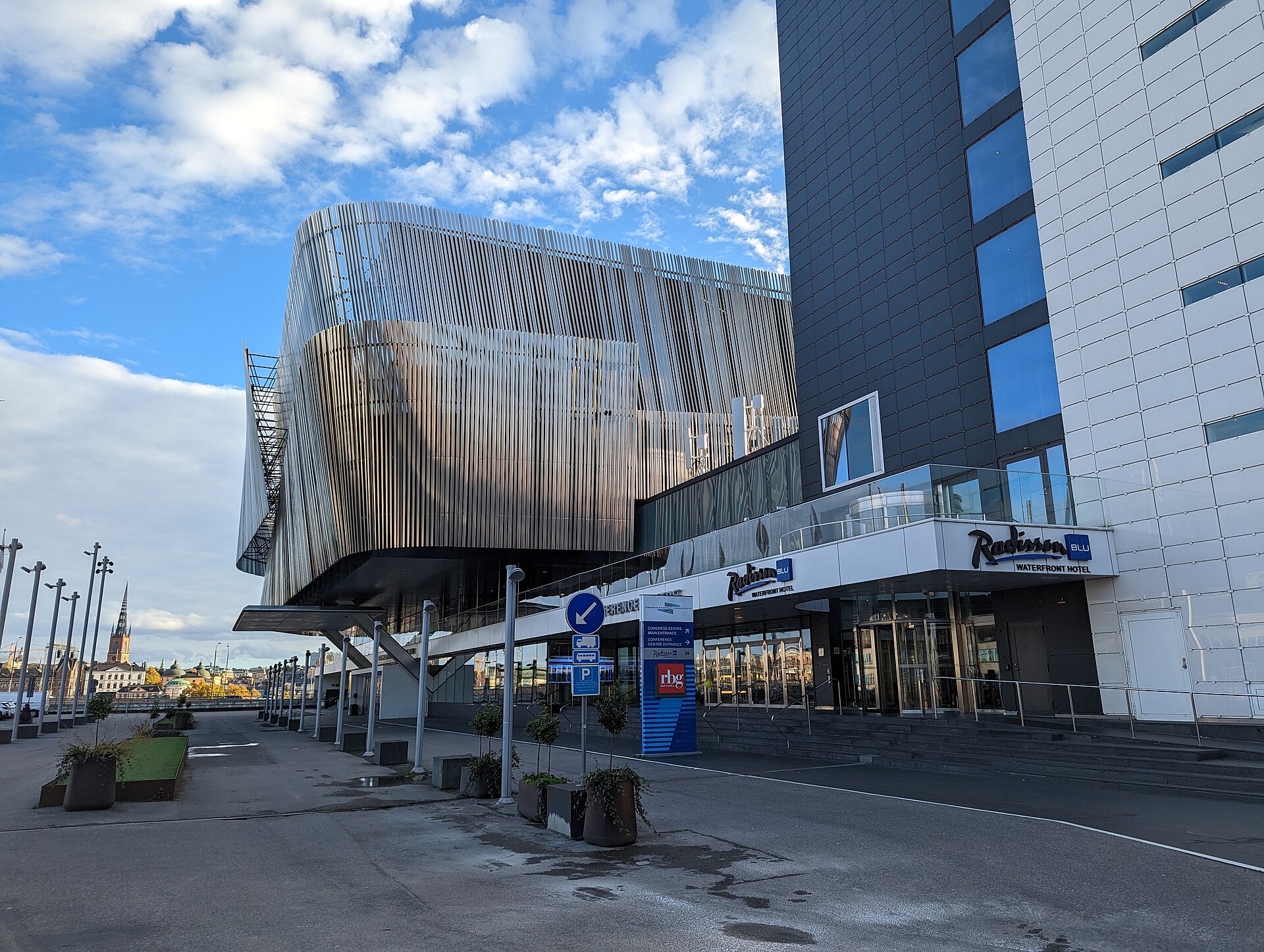
Entrance and canopy of the congress section of the Waterfront building in Stockholm

Mariefred is a small town on Lake Mälaren in Strängnäs Municipality, roughly 70 kilometres southwest of Stockholm. It is known chiefly for two things standing next to each other: Gripsholm Castle, a royal fortress on a promontory at the edge of town, and a compact, well-preserved 18th- and 19th-century townscape of wooden houses built around … Read more

What Is Gripsholm Castle? Sweden’s Royal Fortress Explained

The Stockholm Waterfront building

Gripsholm Castle (Gripsholms slott) is a state-owned royal fortress on an island in Lake Mälaren, in the small town of Mariefred, roughly 70 kilometres southwest of Stockholm. Built in its current form by King Gustav Vasa in the 1530s and 1540s, it now houses Sweden’s national state portrait collection and is managed as a public … Read more

What Is Birka, and What Was Found There?

Exterior of the Stockholm Waterfront complex in Stockholm

Birka was a fortified trading town on the island of Björkö in Lake Mälaren, active from roughly 750 to 970 AD. Excavations there have produced one of Scandinavia’s largest collections of Viking Age material — thousands of graves, imported silk and silver, weapons, and evidence of trade routes stretching to Baghdad and Byzantium. It is … Read more

What Is Sigtuna, and Why Is It Sweden’s Oldest Town?

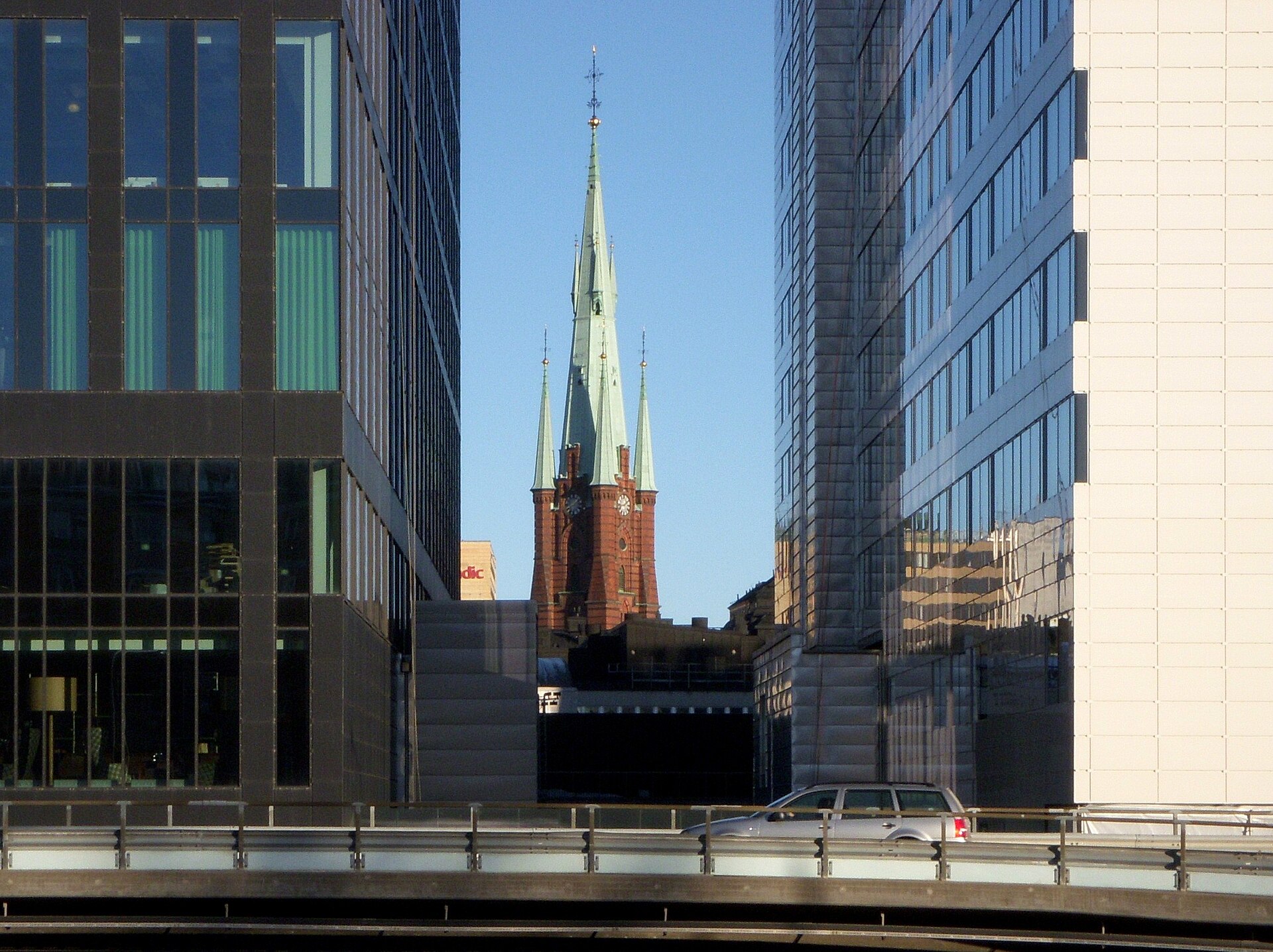
Old meets new: the Stockholm Waterfront building with Klara kyrka behind it

Sigtuna is a small town on the northern shore of Lake Mälaren, about an hour from central Stockholm, traditionally dated to around 980 AD and generally described as Sweden’s oldest town still in continuous existence. It predates Stockholm by roughly 270 years and was the country’s earliest known centre for royal minting and Christian church-building. … Read more

What Is Uppsala, and What Is in the Cathedral?

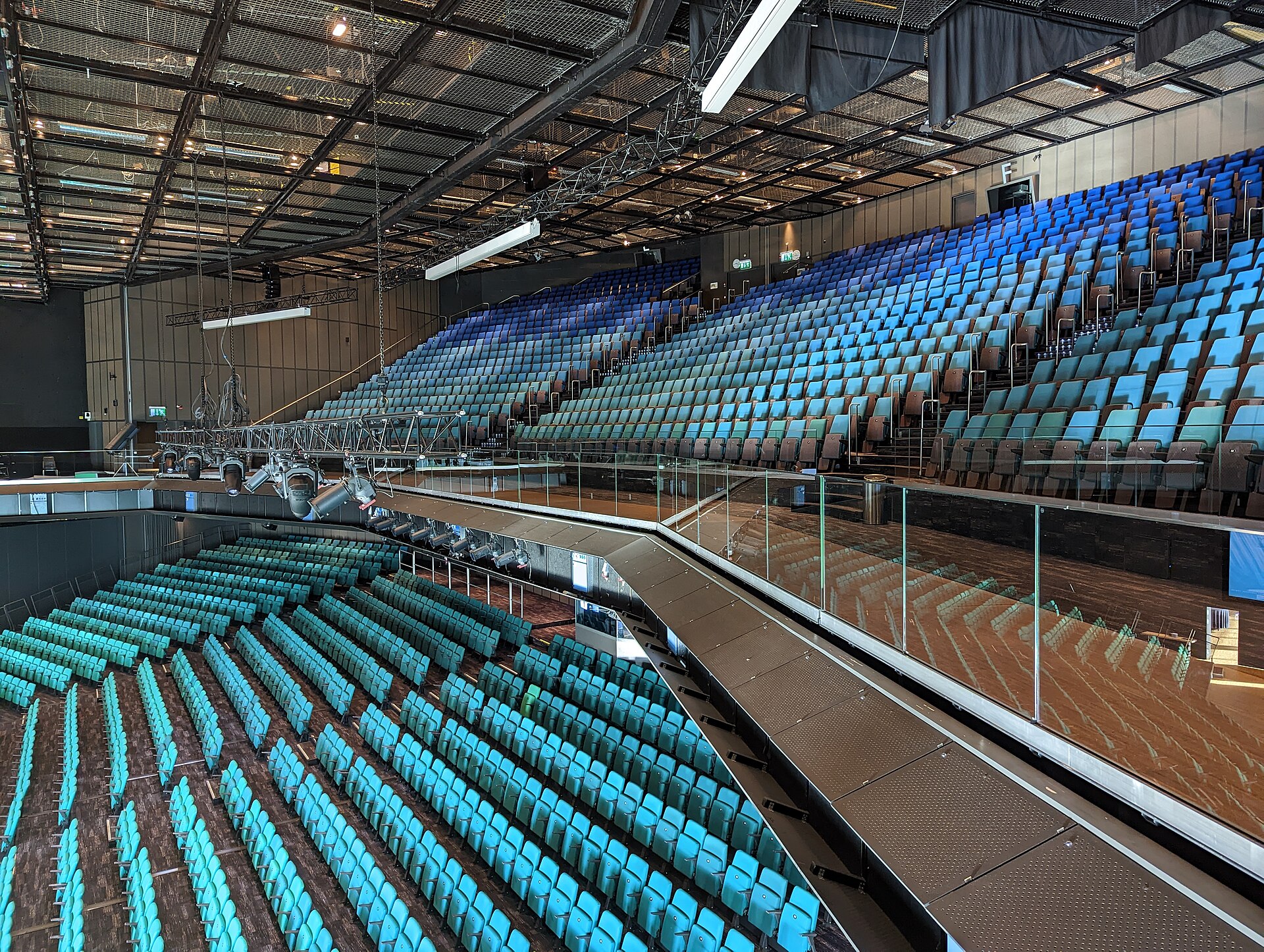
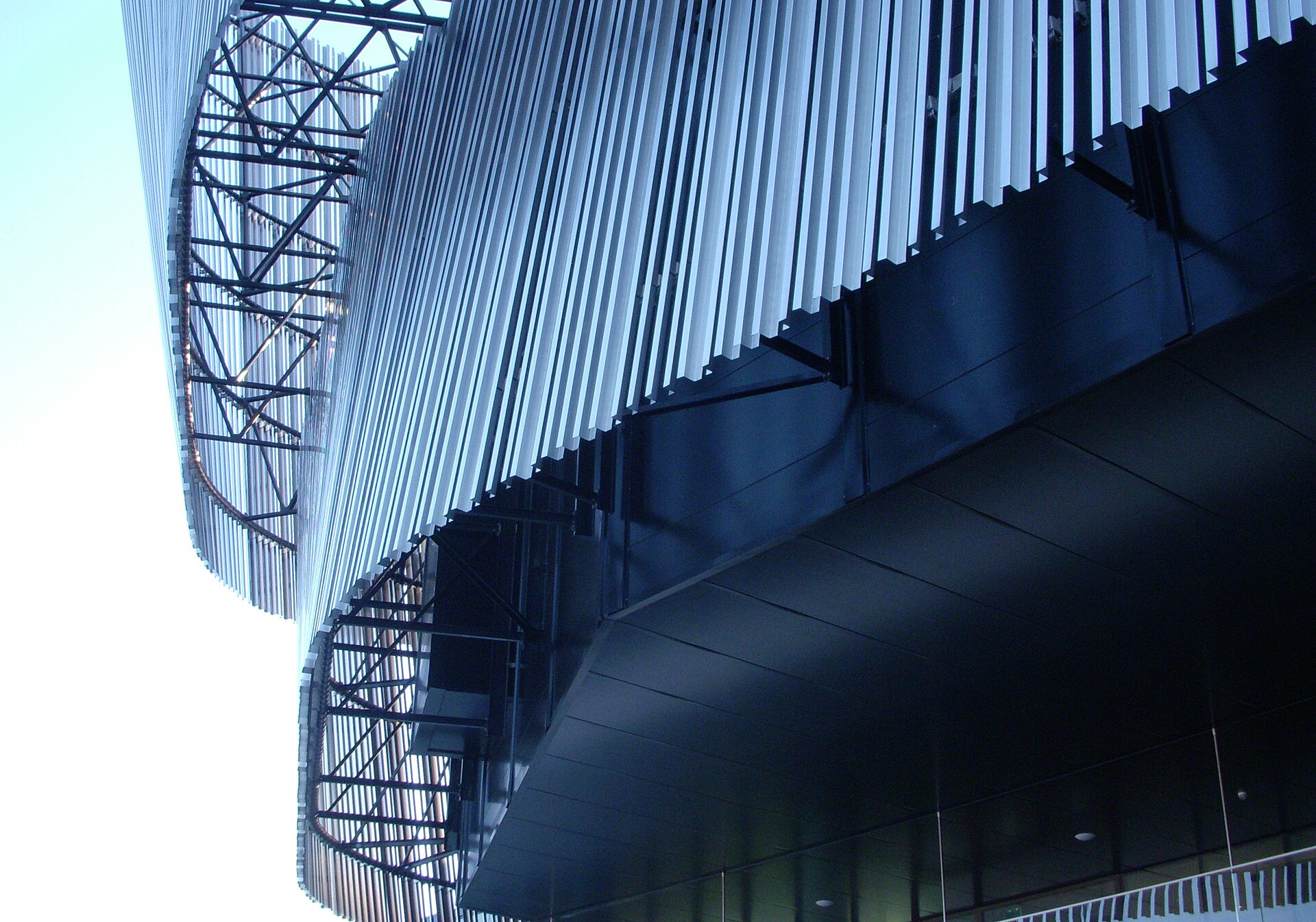
Facade detail of the congress section of Stockholm Waterfront

Uppsala is a city of around 240,000 people roughly 70 kilometres north of Stockholm, built on the Fyrisån river in the province of Uppland. It is home to Sweden’s oldest university and to the Archbishop of the Church of Sweden, and its cathedral — Uppsala domkyrka — is the largest church in Scandinavia and the … Read more

What Is Fjäderholmarna, and How Close Is It to Stockholm?

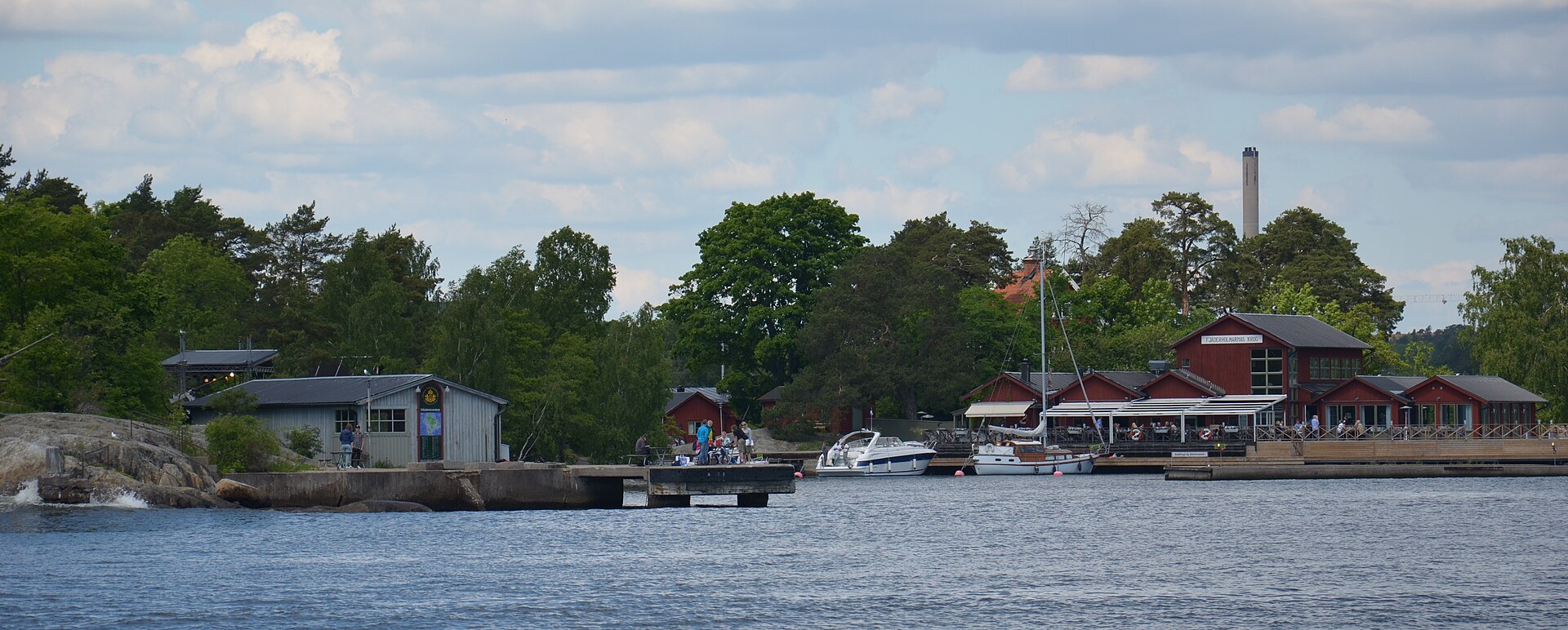
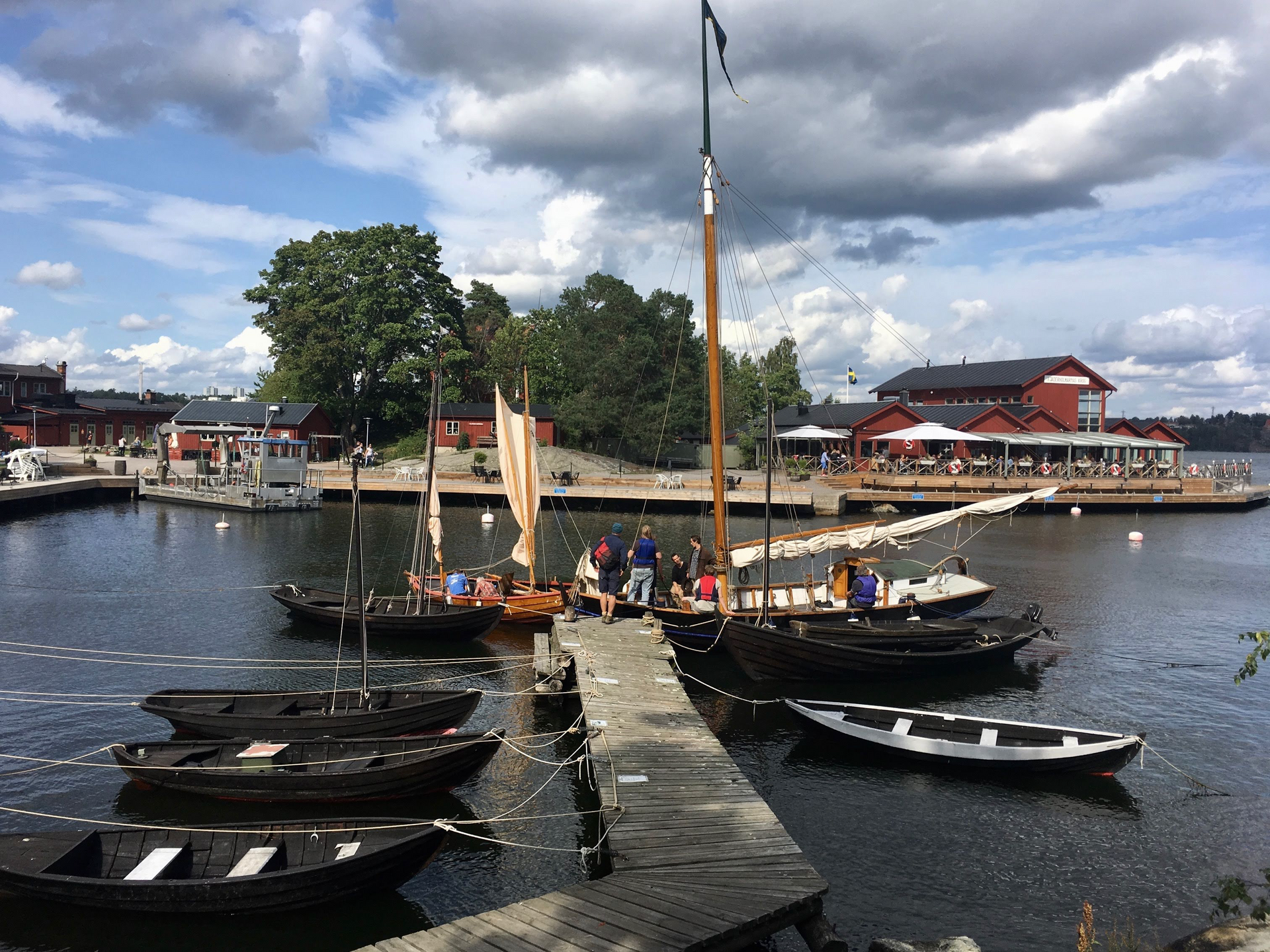
The islands of Fjäderholmarna off Lidingö, Sweden

Fjäderholmarna is a small cluster of islands at the inner edge of the Stockholm archipelago, the archipelago’s tens of thousands of islands and skerries stretching east from the city into the Baltic. It is the closest island group to central Stockholm that is served by scheduled boat traffic — the crossing from Nybroplan or Slussen … Read more

What Is Utö? Stockholm Archipelago’s Mining Island

A small island in the Stockholm archipelago, Sweden

What is Utö? Utö is an island in the southern part of the Stockholm archipelago, roughly 40 kilometres from central Stockholm, within Haninge municipality. It has permanent residents, a working harbour, a former iron-ore mine that operated for centuries, a preserved windmill, and beaches on its eastern side. It is reached by passenger ferry and … Read more

What Is Grinda? Stockholm Archipelago Island Explained

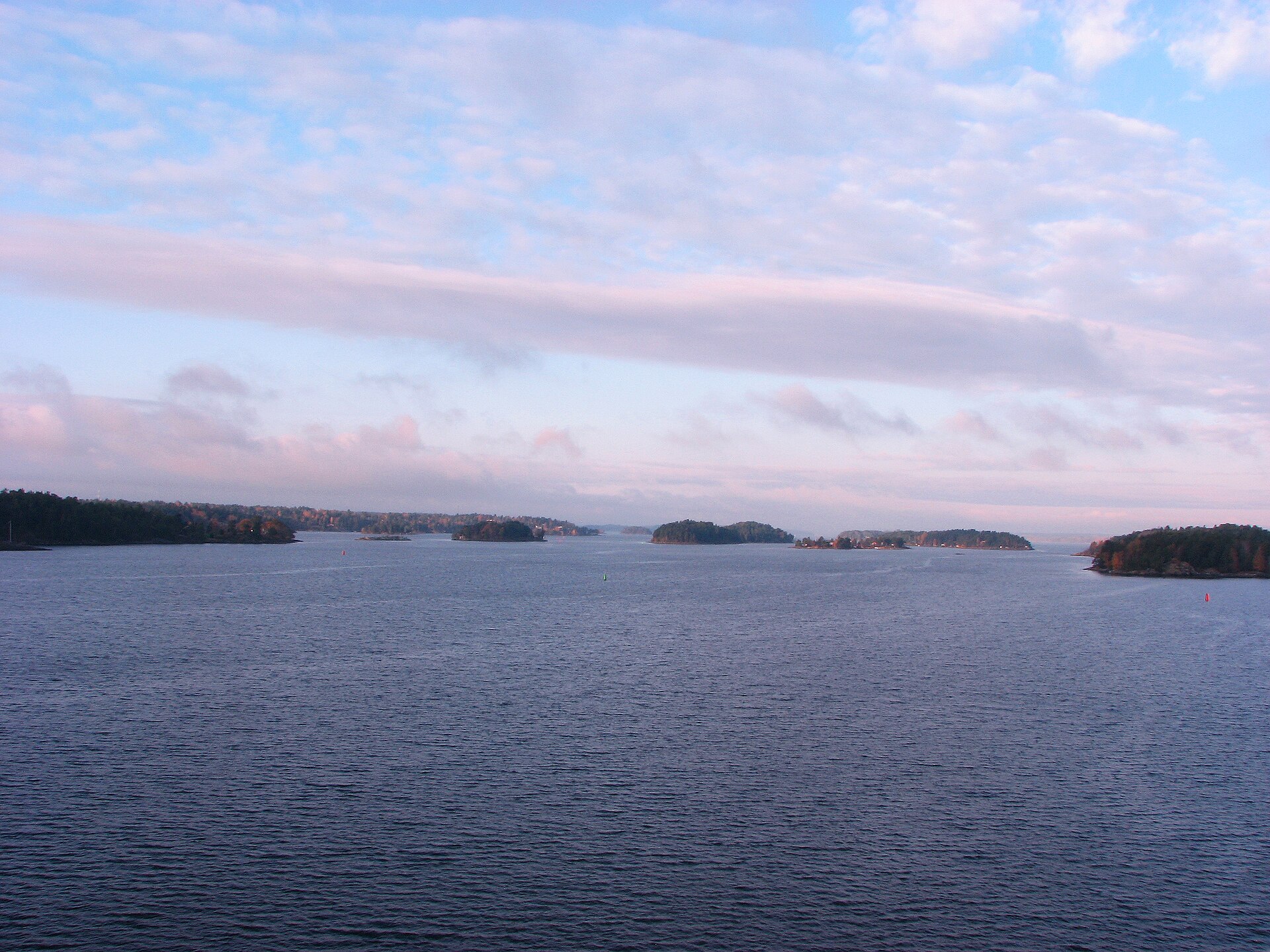
Islands and open water in the Stockholm archipelago

Grinda is a small, car-free island in Stockholm’s middle archipelago, roughly two to three hours from the city centre by boat depending on the route. Most of it is managed as a nature reserve, with hiking paths, swimming spots, a campsite, rental cabins and a historic inn. It works as either a long day trip … Read more

About what you read here. Access Stockholm is an independent guide written from published, checkable sources — museum and transport operators’ own information, official city and tourism data, and the public record. We have not visited the places we write about, and we do not publish personal recommendations or invented “local favourites”. Where we point to something notable we say who says so.

Opening times, fares, closures and prices change, often at short notice. Everything here is a starting point, not a booking confirmation — always check the venue’s or operator’s own site before you build a day around it. We are not a travel agency and we give no advice on visas, insurance, health or safety requirements; for those, use your own government’s official guidance.