Some links on this page are affiliate links. If you book through one, this site may earn a commission at no extra cost to you. It never changes which option we recommend. This site does not take bookings or reservations itself — you book with the travel company, under its terms, and we are not a party to that booking.
Almost all domestic trains from Stockholm to other Swedish cities leave from Stockholm Central Station (Stockholm C), in the city centre next to T-Centralen. Several operators compete on the main lines — SJ, MTR Express, Vy and Snälltåget among them — running everything from fast X2000 services to Gothenburg and Malmö to slower regional trains and night trains north.
Where do these trains actually depart from?
Long-distance and regional domestic trains use Stockholm Central Station, the large terminus on Vasagatan built in the 1870s and still the country’s principal railway hub. It sits directly above T-Centralen, Stockholm’s central metro interchange, so arriving by train and continuing by metro, bus or commuter train involves no more than a walk across the concourse.
A smaller number of services — mostly commuter and some regional trains — use Stockholm City station, the underground through-station a short walk away that also serves the pendeltåg commuter network. Whichever station a ticket names, it is worth checking, since the two are connected but are not the same building.
Which companies run trains to other Swedish cities?
Sweden’s domestic long-distance rail market is not run by a single national carrier the way it once was. Passengers choose between several operators depending on the route, and prices and schedules differ between them for the same journey.
- SJ (Statens Järnvägar) is the largest operator and the historic state railway, running the X2000 tilting trains and slower InterCity services across most of the country, including to Gothenburg, Malmö, Sundsvall and beyond.
- MTR Express runs a competing high-speed service specifically on the Stockholm–Gothenburg line.
- Vy (formerly part of Norwegian state operations) runs regional and some long-distance services, including certain night connections.
- Snälltåget runs seasonal and year-round routes, including services toward Malmö and, in summer, onward connections used for international travel.
Because tickets are sold operator by operator rather than through one unified national fare system, comparing options usually means checking more than one company’s own site before booking.
What are the main routes, and how long do they take?
The busiest domestic corridor is Stockholm–Gothenburg, served by both SJ’s X2000 and MTR Express, with a journey time in the region of three hours on the fastest services. Stockholm–Malmö, at the southern end of the country, is a longer journey, typically covered by X2000 in around four and a half hours, with connections onward toward Copenhagen.
Other core routes include:
- Stockholm–Uppsala, a short regional and commuter-adjacent journey covered in well under an hour, popular with both day-trippers and commuters.
- Stockholm–Sundsvall and further north toward Umeå and Luleå, served by a mix of daytime InterCity trains and overnight services.
- Stockholm–Karlstad and onward into the west, and Stockholm–Örebro, both handled by regional and InterCity trains rather than the fastest tilting stock.
Exact journey times shift with timetable changes and engineering work, so the operator’s own timetable is the only reliable source for a specific date.
.jpg)
How do tickets and fares actually work?
Sweden’s domestic train fares are largely dynamic, similar to airline pricing: the same route can cost several times more or less depending on how far in advance it is booked and how full the train already is. Booking well ahead on SJ, MTR Express or Vy’s own sites generally opens access to the cheapest fare tiers; walking up on the day is usually the most expensive way to travel.
A few structural points are durable even though the prices themselves are not:
- Most operators sell both first and second class, with first class (often called “SJ Plus” or similar branding) including extras like at-seat service on some routes.
- Tickets are typically tied to a specific train and time rather than being open, unlike a metro or bus ticket.
- Season or loyalty schemes exist — SJ’s Prio programme is the best known — aimed at frequent travellers rather than one-off visitors.
- Bicycles, skis and larger luggage sometimes require a separate reservation depending on the operator and train type, worth checking before travelling with equipment.
None of this is comparable to the zone-based system used on Stockholm’s own public transport, which works entirely differently — as explained in the guide to Stockholm metro zones and fares and to how the Stockholm travel card works across metro, bus and ferry. Domestic long-distance rail tickets are bought separately from any local transport card.
What is the difference between X2000, InterCity and regional trains?
X2000 is SJ’s flagship tilting high-speed service, used on the busiest trunk routes such as Stockholm–Gothenburg and Stockholm–Malmö, with fewer stops and shorter overall journey times. InterCity and regional trains run slower, stop more frequently, and typically serve secondary towns along the same corridors or branch lines that X2000 skips.
For a visitor or resident planning a single city-to-city trip, the practical difference is mostly time and price: X2000 and MTR Express tend to be faster and, on a like-for-like booking window, somewhat more expensive than a regional alternative covering the same distance with more stops.
Are there night trains, and where do they go?
Sweden runs a genuine night train network northward, connecting Stockholm to destinations in the north of the country and into Swedish Lapland, operated mainly by Vy and, on some routes, SJ. These trains carry sleeper compartments as well as regular seating and are used both by travellers heading toward the mountains and by residents of northern towns making the return trip to the capital.
Snälltåget has also operated seasonal night and day services southward, at times extending toward international connections. Because night-train routes and seasons change more often than daytime InterCity patterns, current departures and destinations are best confirmed directly with the operator rather than assumed from a previous year’s schedule.
How do you get from central Stockholm to the station itself?
Stockholm Central sits within easy reach of the inner city on foot, and directly above the T-Centralen metro interchange, meaning connections from almost any Stockholm neighbourhood to the departure platform typically involve one change at most. Travellers arriving from Arlanda Airport reach the same station directly via the Arlanda Express, described in the guide to what the Arlanda Express is and what the alternatives are, or via other routes covered in the piece on getting from Arlanda into Stockholm city.
With hours between check-out and a train, the question becomes where to leave the bags. The station lockers are compared in left luggage in Stockholm, and Radical Storage lists shops and hotels around Stockholm Central that hold luggage.
For residents combining a domestic train trip with local transport before or after — bus, metro, or the commuter rail network — the practical detail sits in the wider Getting Around archive, alongside the specific explanation of what pendeltåg is and when it beats the metro.
Does demand or the timetable change by season?
Domestic rail travel in Sweden follows recognisable seasonal patterns rather than a fixed year-round rhythm. Routes north toward the mountains see heavier demand in winter, tied to the ski season, while routes toward the archipelago coast and southern Sweden see a summer peak tied to holiday travel and the long light evenings. Fares on the busiest dynamic-priced routes tend to rise accordingly, and advance booking becomes more valuable exactly when demand is highest — around major holidays, school breaks, and midsummer.
None of this is published as a fixed listing here, since exact dates shift year to year; the operator’s own timetable and fare calendar remain the only reliable source for a specific trip.
What should residents specifically know that visitors might not?
For residents, the practical questions are less about which city to visit and more about how to travel often without overpaying. Loyalty schemes such as SJ’s Prio accumulate points usable against future tickets, and commuting patterns between Stockholm and nearby regional centres — Uppsala being the clearest example — are cheaper and more flexible when bought as part of a season arrangement rather than single tickets each time.
It is also worth knowing that domestic long-distance rail sits entirely outside the Stockholm public transport fare system described in the guide to how the Stockholm travel card works. A resident’s SL card has no bearing on a ticket to Gothenburg or Malmö, and the two systems are booked, priced and regulated independently.
For a broader sense of how the city’s transport network fits together — trains, metro, ferries and cycling included — the practical planning hub and the wider context of what it is actually like to live in Stockholm cover the surrounding detail this article does not.
Access Stockholm is an independent guide written from published, checkable sources. We have not visited the places described here and we do not publish personal recommendations or invented ‘local favourites’ — where something is singled out as notable, we say who says so. Opening times, fares, closures and prices change at short notice, so treat everything here as a starting point and confirm with the museum, operator or venue directly before building a day around it. We give no advice on visas, insurance, health or safety; use your own government’s official guidance for those.
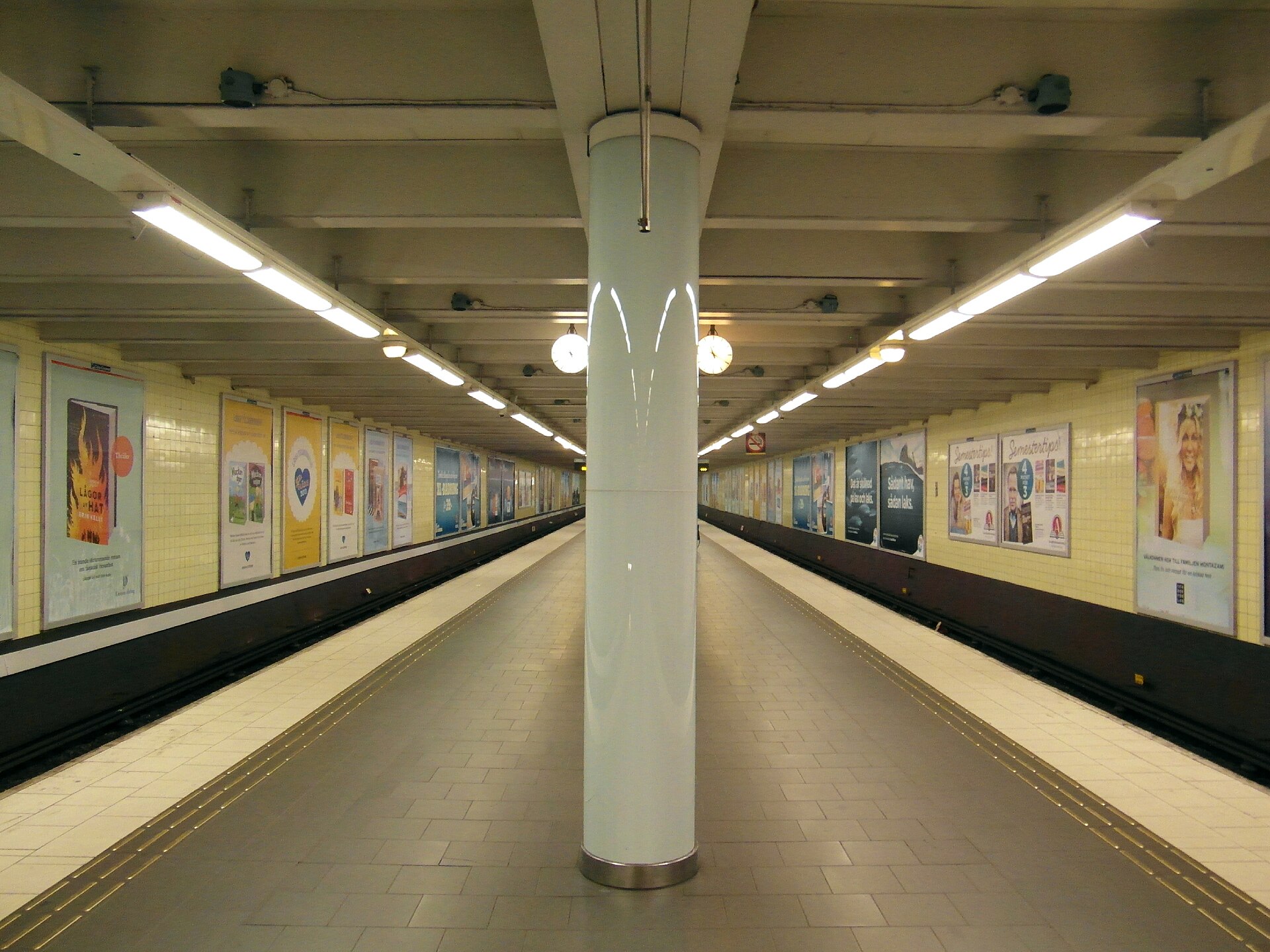
Featured image: Photo by AleWi, source, CC BY-SA 4.0
