What Is Pendeltåg, and When Is It Better Than the Metro?

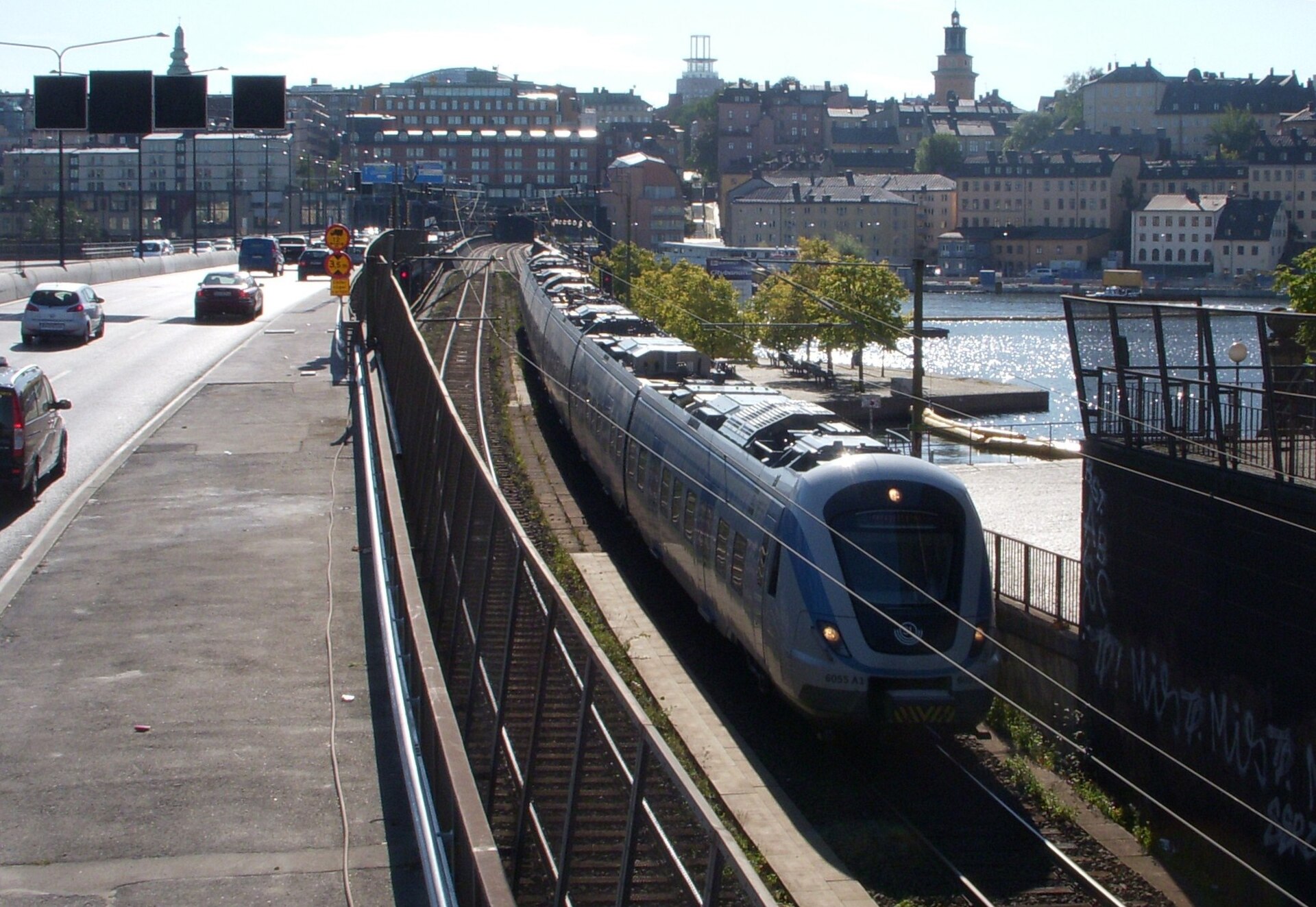
Centralbron pendeltåg 2009cr.jpg — illustrating What Is Pendeltåg, and When Is It Better Than the Metro?

Pendeltåg is Stockholm’s commuter rail network — full-size trains running on mainline tracks, not the underground metro (Tunnelbana). It covers far greater distances than the metro, reaching towns well outside the city, and is usually the better choice whenever a journey is long, crosses into the outer region, or starts or ends near a mainline … Read more

What Is T-Centralen? Stockholm’s Metro Hub Explained

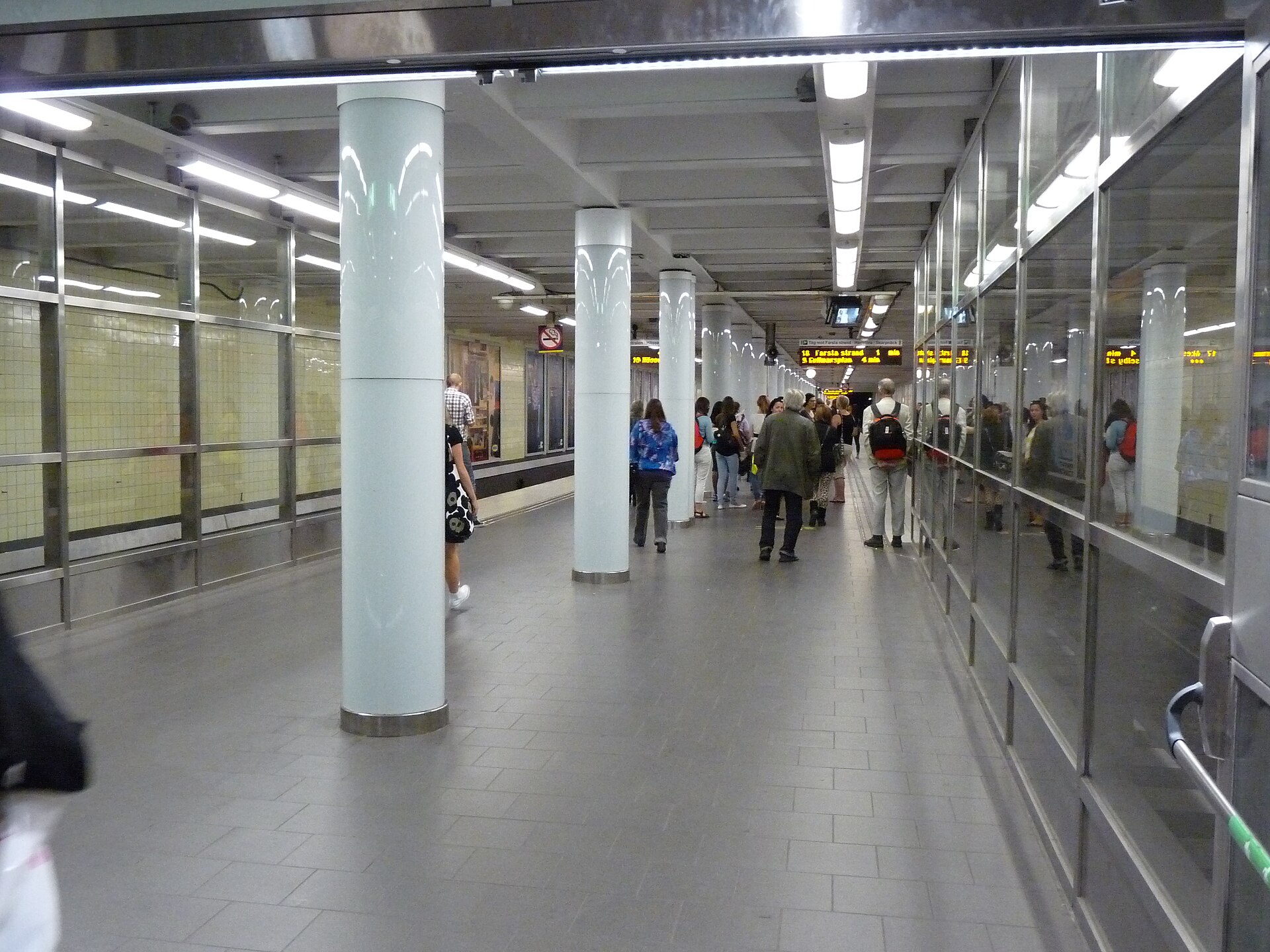
00 5329 Stockholm - Sergels torg (T-centralen).jpg — illustrating What Is T-Centralen? Stockholm’s Metro Hub Explained

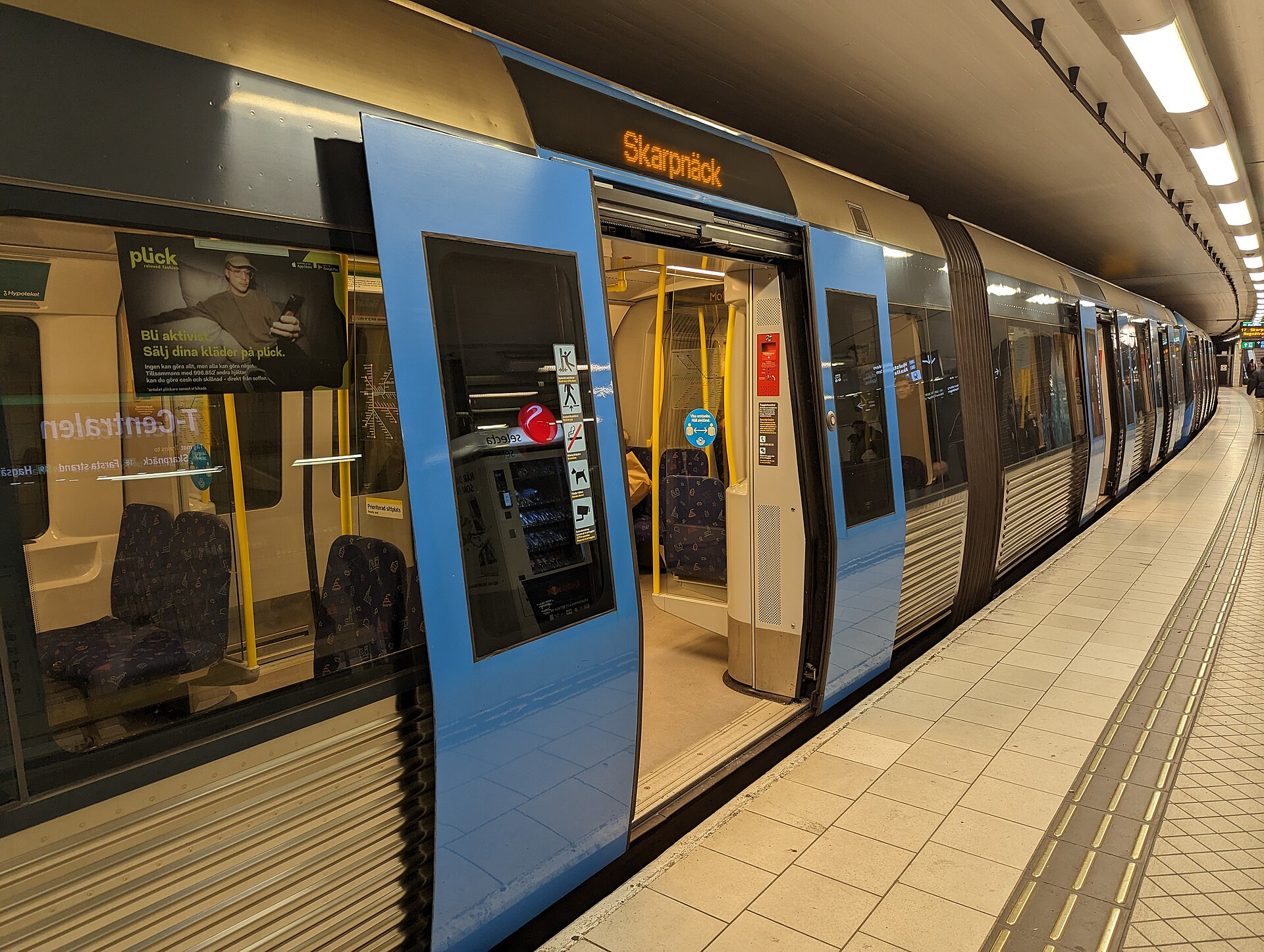
T-Centralen is Stockholm’s central metro station, sitting beneath Norrmalm in the middle of the city. It is the only point in the network where all three tunnelbana (metro) lines — red, green and blue — physically meet, and it connects directly to Stockholm’s main railway station above ground. The name is short for “Tunnelbana Centralen”. … Read more

Stockholm Metro Zones and Fares: How the System Works

Vibrant blue artwork at Stockholm metro station with unique design. — illustrating Stockholm Metro Zones and Fares: How the System Works

The Stockholm metro, run by the regional operator SL (Storstockholms Lokaltrafik), does not price tickets by distance or by station count. It uses a small number of fare zones covering the whole county, and a single ticket bought within the core zone covers unlimited transfers between metro, bus, tram and commuter train for a fixed … Read more

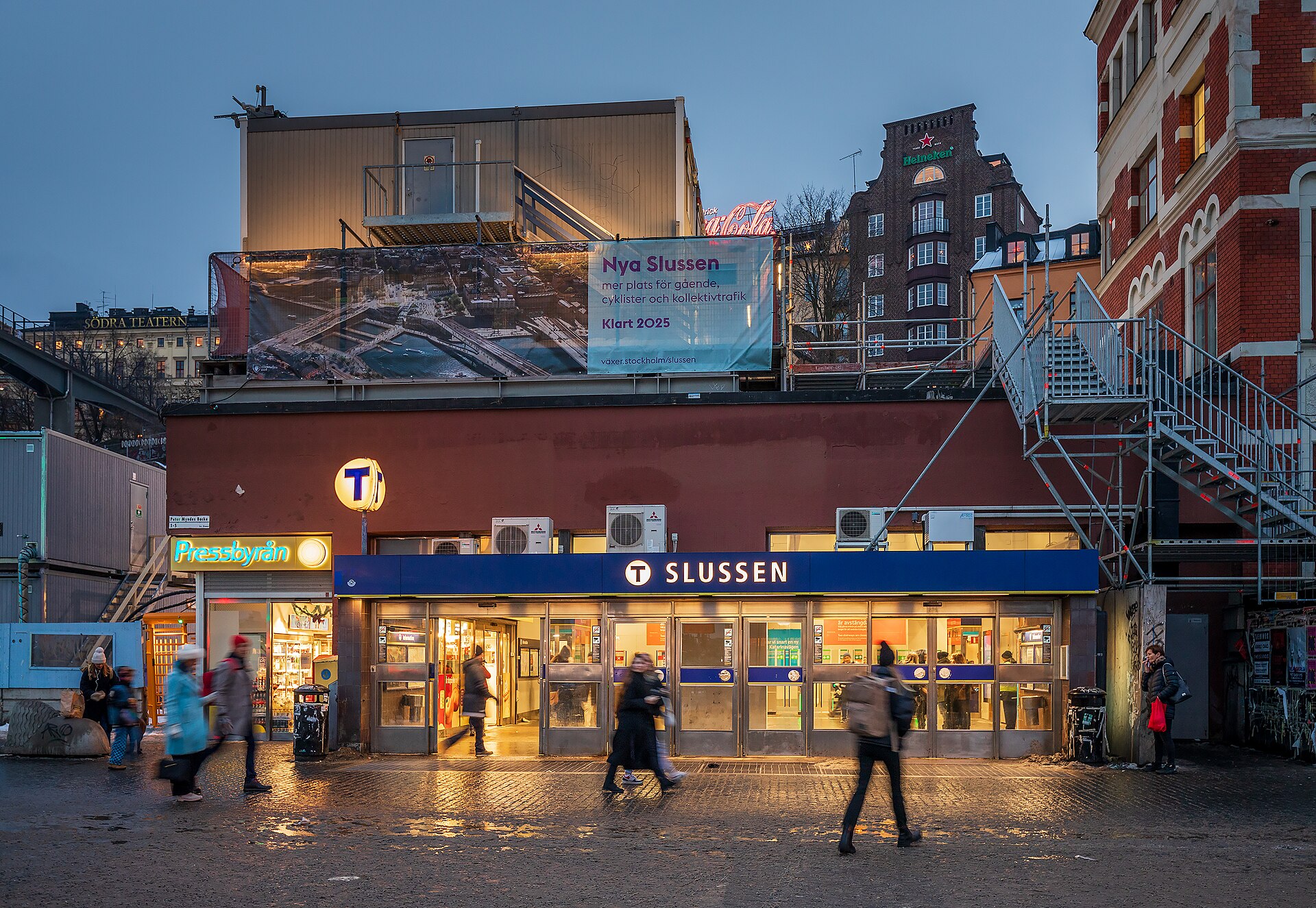
What Is Slussen, and Why Has It Been Rebuilt?

Slussen Stockholm 4493 (30602809280).jpg — illustrating What Is Slussen, and Why Has It Been Rebuilt?

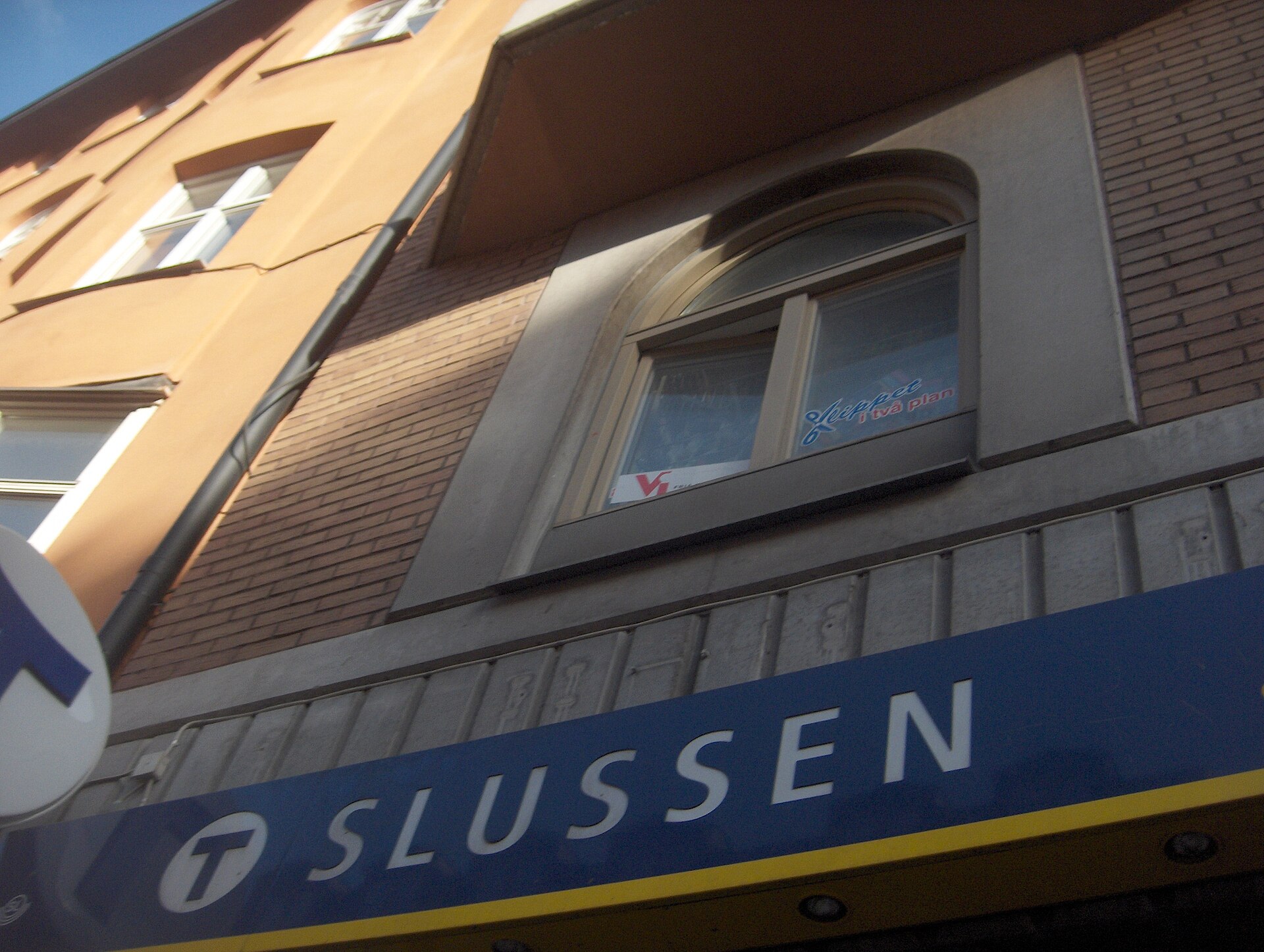
Slussen is the point in central Stockholm where Lake Mälaren meets the Baltic inlet Saltsjön, and where a system of locks manages the difference in water level between them. It sits between Gamla Stan and Södermalm, doubling as one of the city’s busiest transport interchanges. It has been rebuilt because the mid-20th-century structure holding all … Read more

About what you read here. Access Stockholm is an independent guide written from published, checkable sources — museum and transport operators’ own information, official city and tourism data, and the public record. We have not visited the places we write about, and we do not publish personal recommendations or invented “local favourites”. Where we point to something notable we say who says so.

Opening times, fares, closures and prices change, often at short notice. Everything here is a starting point, not a booking confirmation — always check the venue’s or operator’s own site before you build a day around it. We are not a travel agency and we give no advice on visas, insurance, health or safety requirements; for those, use your own government’s official guidance.