For most residents, yes — a period pass on the SL travel card is worth it once someone makes more than roughly eight to ten single-fare trips a month, which describes almost anyone commuting by metro, bus or pendeltåg on a regular basis. Occasional or remote-working residents may do better on pay-as-you-go.
What is the SL travel card, exactly?
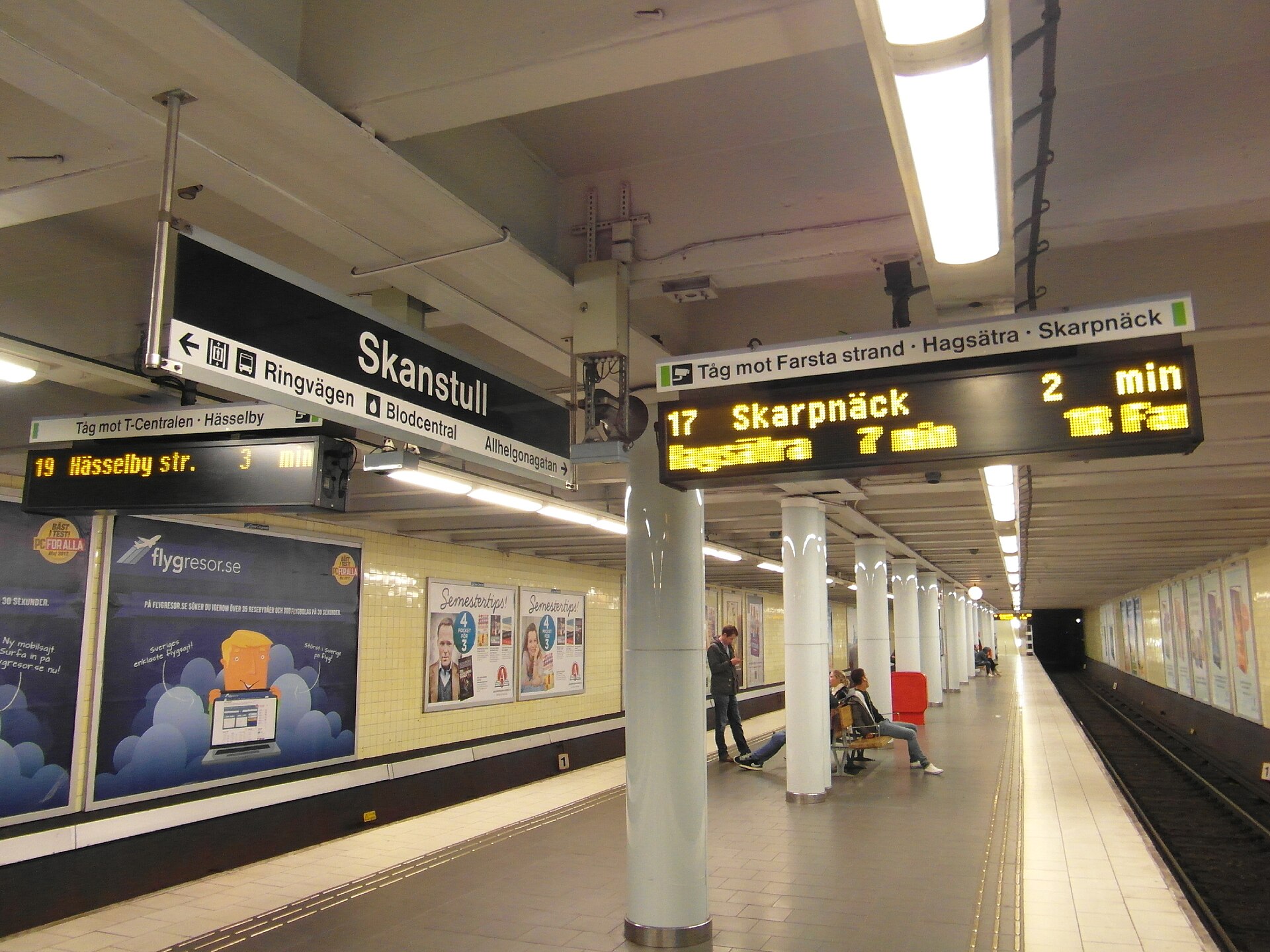
The travel card is the reusable, rechargeable card issued by SL (Storstockholms Lokaltrafik), the transport authority for Stockholm County. It is not a single product but an access medium: the same card can hold a single ticket, a stored-value balance, or a time-based period pass, and it works across the metro (tunnelbana), buses, the pendeltåg commuter trains, trams, and most SL-operated ferries, including the commuter routes across the city’s waterways.
A visitor and a resident use the same card infrastructure but typically buy different products from it. Visitors tend toward single tickets or short passes; residents weigh single fares against a monthly or annual period pass. The mechanics of the card itself — zones, validity, how it’s read at gates — are covered in more detail in how the Stockholm travel card actually works across metro, bus and ferry.
How is the fare structured — does it matter where you live?
Yes. SL’s network is divided into fare zones, and the cost of both single tickets and period passes depends on how many zones a trip or a pass needs to cover. A resident living and working entirely within the inner city crosses fewer zones than someone commuting in from a suburb on the pendeltåg.
The zone structure, and how SL draws the boundaries, is explained fully in Stockholm’s metro zones and fares, explained. The short version for a resident deciding on a card: check which zones your regular commute actually spans before comparing single-fare and pass prices, because a pass priced for one zone is cheaper than one priced for two or three, and the gap compounds over a year.
What does a monthly pass actually cost compared with single fares?
Both figures change often enough that neither should be quoted here as fixed. SL publishes current single-fare and period-pass prices, by zone, on its own site, and that is the only source worth checking before buying.
What stays durable is the shape of the comparison: a 30-day pass is priced to break even against single fares somewhere in the range of two trips a day, five days a week, for roughly two to three weeks of the month — in practice, a normal commuting pattern. Below that frequency, stored-value pay-as-you-go tends to work out cheaper; above it, the pass wins and keeps winning as usage climbs, since the price is fixed regardless of how many extra trips get added.
.jpg)
How many trips make the pass worth it?
As a rule of thumb: anyone making a return commute five days a week is almost always better off with a period pass than paying per trip, because two single fares a day, twenty days a month, is a heavier multiple than the pass price in every zone combination SL sells.
Where it gets marginal is the resident who works from home two or three days a week, or who lives close enough to a workplace to walk or cycle for part of the year. For that pattern, it is worth running the actual numbers against SL’s published fares rather than assuming the pass wins by default — some residents in that position use stored value on the card and top up as needed, others keep a pass through the darker months and drop it in summer.
Cycling is a genuine substitute for part of the year for some residents, and how that trades off against a transport card is covered in how cycling works in Stockholm and, for the harder months, what it’s actually like to cycle through a Stockholm winter.
Does the card cover the whole network, including ferries?
Largely yes, within SL’s own network. The pendeltåg commuter train system, covered separately in what the pendeltåg is and how it runs, is included in the same zone-based fare structure as the metro and buses. SL’s own commuter ferry routes — the ones that cross the water rather than run to the outer archipelago — are also included; details are in how Stockholm’s commuter ferries work.
What is not automatically included is the separately operated Djurgården ferry line and archipelago boat operators such as Waxholmsbolaget, which run their own tickets outside the SL system in some cases. The Djurgården ferry network is explained on its own terms in what the Djurgården ferry network actually connects. A resident whose routine includes archipelago travel should check the relevant operator’s own fare terms rather than assume SL coverage.
Does it matter which district a resident lives in?
Yes, mainly through zones and through how much of daily life happens on foot versus on transit. Someone living in an inner-city district such as Vasastan or Kungsholmen may cross zero or one zone boundary for most errands and even some commutes, while someone in an outer suburb built under the million programme is more likely to need a multi-zone pass simply to reach work or school.
The practical differences between inner-city and suburban living, including how transport factors into the decision, are laid out in how inner-city and suburban Stockholm actually differ and, district by district, in what Stockholm’s districts are like to live in.
Are there discounted cards for students, young people or seniors?
SL runs reduced-fare categories for young people, students and seniors, priced and defined by SL itself rather than by any third party. These change in both eligibility and price over time, so the only reliable source is SL’s own site at the point of buying. A resident who fits one of these categories should check the current terms directly with SL rather than assume a discount applies automatically.
When is it not worth having a period pass at all?
For a resident who works fully remotely, who lives within easy walking or cycling distance of most regular destinations, or whose Stockholm life is genuinely occasional — a part-time arrangement, a long posting elsewhere with periodic returns — stored value on the card, topped up as needed, is very often the cheaper choice over a full year. The break-even point is arithmetic, not habit, and it is worth recalculating whenever a work pattern or address changes.
Broader context on how transport costs sit within the city’s cost of living generally is covered in how Stockholm’s cost of living compares within Sweden, and the practicalities of daily life more widely are gathered in Access Stockholm’s guide to living in Stockholm. For the transport network itself, the Getting Around archive covers zones, the metro’s individual stations, and the commuter rail and ferry systems in more detail.
Where should a resident check current prices?
SL’s own site (sl.se) is the only source that should be trusted for current fares, zone boundaries and pass prices, since all three are revised periodically and any figure printed elsewhere risks being out of date within months. Anyone deciding between a period pass and pay-as-you-go should run the comparison against SL’s published numbers for their own zone combination before committing to either.
Access Stockholm is an independent guide written from published, checkable sources. We have not visited the places described here and we do not publish personal recommendations or invented ‘local favourites’ — where something is singled out as notable, we say who says so. Opening times, fares, closures and prices change at short notice, so treat everything here as a starting point and confirm with the museum, operator or venue directly before building a day around it. We give no advice on visas, insurance, health or safety; use your own government’s official guidance for those.
Featured image: Photo by PineappleDolly, source, CC BY-SA 4.0
_02.jpg)
Related reading
Stockholm, Practically, The Stockholm Guide, How Do You Reach Stockholm’s Day Trips by Public Transport?, Stockholm’s Four Airports Compared: Two Are Not Near Stockholm