Cycling in Stockholm runs on a citywide network of dedicated lanes called cykelbanor, built to connect the islands the city is spread across, plus a set of traffic rules set by Sweden’s national transport agency. Bikes can also be combined with parts of the public transport system, though rules vary by mode and depend on time of day and space on board.
What does the cycling network actually look like?
Stockholm’s cycle lanes are mostly physically separated from car traffic rather than painted lines shared with vehicles. The City of Stockholm (Stockholm stad) maintains an official cycling map and a long-term cycling plan, Cykelplan, that sets out which streets get dedicated lanes and where new links are being added. Because the city sits across a cluster of islands — a layout explained in more detail in the piece on which islands Stockholm is actually built on — several of the busiest cycle routes exist specifically to get bikes across water: over Västerbron, Djurgårdsbron and other bridges that also carry cars and pedestrians.
The network is denser in the inner city than in the outer suburbs, and quality varies by district. Some of the older grid streets in areas like Vasastan have lanes retrofitted alongside pavements; newer or rebuilt districts such as Hammarby Sjöstad were designed with cycling routes built in from the start. The city’s own cycling pages are the authoritative source for current route maps and ongoing roadworks, since lanes are added or diverted year to year.
Is there a bike-share scheme in Stockholm?
Stockholm has had various forms of public bike-share over the years, and the operators running docked or dockless schemes have changed more than once. Rather than name a specific current provider — which can and does change — the reliable approach is to check the City of Stockholm’s own transport pages or look for signage and station points in the inner city, since availability, pricing and coverage are all things the operator controls and updates directly.
What has stayed constant is the pattern: shared bikes and e-bikes tend to cluster around the inner city and major transit hubs, are heaviest used in the warmer months, and are not intended for long cross-suburb trips. For a resident deciding whether to buy a bike outright versus relying on a shared scheme, that seasonal, inner-city bias is the more durable fact than any specific tariff.
Can you take a bike on the metro, buses and trains?
Rules differ by mode, and SL — the regional transport authority that runs Stockholm’s metro, buses, pendeltåg commuter trains and some ferries — publishes the current restrictions on its own site. In general terms:
- Full-size bikes are typically restricted from buses and from the metro during peak commuting hours, when carriages are already full.
- Folding bikes are usually treated more leniently and can often travel at any time, since they take up less space.
- The pendeltåg commuter train has historically allowed bikes outside peak periods, sometimes for an additional fee, sometimes free — a detail that changes often enough that it should be confirmed on SL’s own site before relying on it.
- The Djurgården ferry and other commuter ferries generally have more relaxed bike policies than the metro, since deck space is more flexible than a subway carriage.
Because these rules are set by the operator and reviewed periodically, this is a case where the site name is the useful fact, not a specific number: check SL’s current guidance rather than a fixed rule quoted elsewhere.
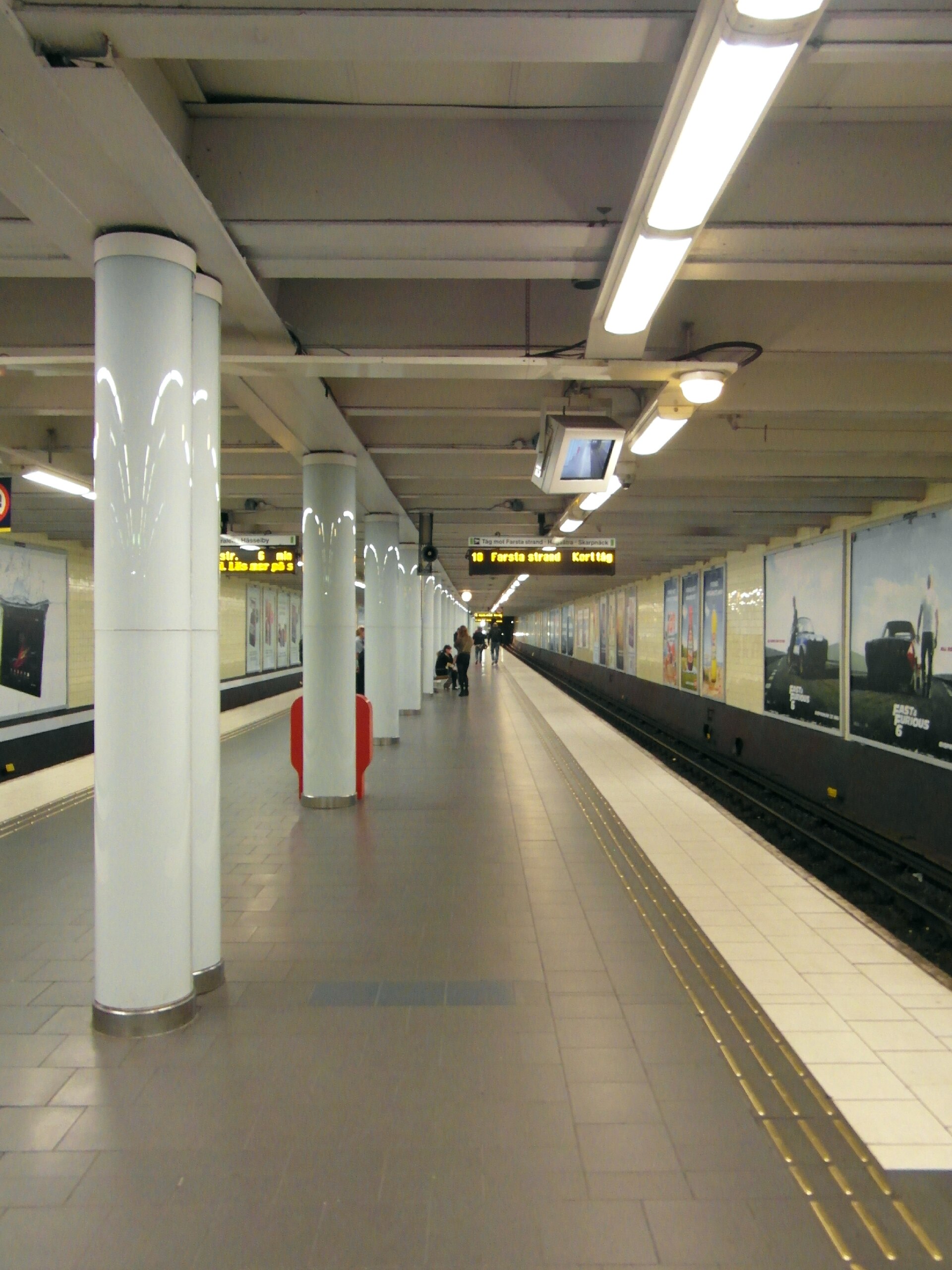
.jpg)
What are the rules of the road for cyclists?
Sweden’s road rules for cyclists are set nationally by Transportstyrelsen, the Swedish Transport Agency, and apply the same way in Stockholm as elsewhere in the country. The core points that matter for a first-time rider in the city:
- Where a cykelbana exists, cyclists are generally required to use it rather than the road.
- Cyclists keep to the right, the same direction as car traffic.
- A helmet is legally required for riders under 15; it is not a legal requirement for adults, though it is commonly worn.
- Lights are required after dark, along with a working bell and functioning brakes.
These are baseline national rules rather than Stockholm-specific ones, and Transportstyrelsen’s own published guidance is the correct reference for anything more detailed, including how rules apply to e-bikes and e-scooters, which fall under slightly different categories.
How does winter change cycling in the city?
Cycling in Stockholm is heavily seasonal. Ridership drops sharply once snow and ice arrive, and the city concentrates its winter maintenance — ploughing and salting — on a defined set of priority cycle routes rather than the whole network, a policy the City of Stockholm sets out on its own winter maintenance pages. Some residents continue cycling through the darker months using studded tyres, but the practical pattern is that the network functions at close to full capacity from spring through autumn and at reduced capacity, on fewer cleared routes, in deep winter.
This matters more for someone who lives in the city and might consider a bike a year-round commuting option than for a short visitor, who is more likely to be cycling in the months when the network is at its fullest.
Where does cycling fit into the wider transport network?
Cycling sits alongside walking, the metro, buses, pendeltåg and the ferries as one option among several, and for central Stockholm it competes directly with walking over short distances. The piece on how walkable central Stockholm actually is lays out how compact the inner city is; for many inner-city trips, cycling saves time mainly on longer east–west or cross-island journeys rather than short hops that walking covers just as fast.
For journeys that mix cycling with transit — riding to a station, then continuing by train — T-Centralen, the metro’s central hub, and other major stations generally have bike parking, though secure long-term storage is more limited than casual short-stay racks. Anyone building a fare and travel strategy around a card that also covers metro, bus and ferry travel should read how the Stockholm travel card works across transport and how the metro’s zones and fares are structured, since a bike is rarely the only mode used on a given trip.
Is cycling different for visitors than for residents?
For a short-stay visitor, cycling is mostly a way to cover the museum island of Djurgården, the waterfront paths around the inner city, and a handful of scenic bridge crossings, usually on a shared bike or a rental rather than an owned one. For a resident, it is more often a genuine commuting choice, shaped by which district they live in — the inner city and planned districts like Hammarby Sjöstad tend to have denser lane coverage than the outer Million Programme suburbs, where lane provision and station-linked cycling infrastructure vary more widely.
Either way, the practical starting points are the same: the City of Stockholm’s cycling pages for the current route map, SL’s own site for what is and is not allowed on transit, and Transportstyrelsen for the underlying road rules. Broader context on how the transport system as a whole fits together, cycling included, sits in the site’s practical planning hub and the Getting Around archive, with district-level detail in the living in Stockholm hub for anyone weighing up whether to rely on a bike day to day.
Access Stockholm is an independent guide written from published, checkable sources. We have not visited the places described here and we do not publish personal recommendations or invented ‘local favourites’ — where something is singled out as notable, we say who says so. Opening times, fares, closures and prices change at short notice, so treat everything here as a starting point and confirm with the museum, operator or venue directly before building a day around it. We give no advice on visas, insurance, health or safety; use your own government’s official guidance for those.
Featured image: Photo by PineappleDolly, source, CC BY-SA 4.0
