Two days in Stockholm works best split by geography rather than by theme: one day for the medieval core and the museum islands, one day for the southern ridge and the modern centre, moving between them on the metro or ferry rather than trying to cram every neighbourhood into both. This spreads walking distances sensibly and avoids doubling back across the water.
How should the two days be divided?
Split by water, not by subject. Stockholm is built on fourteen islands connected by bridges and short ferry hops, and the fastest way to waste a day is to zig-zag between them. One day covers Gamla Stan and the museum islands of Skeppsholmen and Djurgården, reached on foot or by a short ferry crossing. The second covers the city centre — Norrmalm, Kungsholmen — and the southern district of Södermalm, all connected by metro. This is the logic behind most published one-day plans for the city too, including a single-day version of this itinerary for readers with less time.
What does the first day cover?
Day one centres on Gamla Stan, Stockholm’s medieval old town, and the museum islands reachable from it by a short walk or ferry: Skeppsholmen and Djurgården.
Gamla Stan sits on the island of Stadsholmen and has kept its medieval street plan largely intact since the 13th century. Its layout and history are covered separately, but the core sights are the Royal Palace — the official residence of the Swedish monarch and, by the palace’s own account, one of the largest palaces in Europe still in active royal use — and Storkyrkan, Stockholm’s cathedral, which sits beside it. What the palace actually contains is worth checking before arrival, since parts of it (the State Apartments, the Treasury, the Royal Armoury) keep separate access arrangements.
From Gamla Stan, Skeppsholmen — a small island given over almost entirely to museums and a former naval church — is a walk across a footbridge. Djurgården, a much larger island, holds the bulk of Stockholm’s most-visited museums, a pattern explained in more detail in a piece on why so many national collections ended up there. The Vasa Museum, built around a warship that sank on its maiden voyage in 1628 and was raised largely intact in 1961, is the single most visited museum in Scandinavia by the museum’s own published figures, and what the ship and the surrounding exhibition actually contain is worth reading before a visit, since the collection is dense enough to justify two or three hours rather than a quick pass-through.
How do you get between Gamla Stan and Djurgården?
On foot, via Skeppsholmen, or by a short ferry crossing operated as part of the SL public transport network. Djurgården has no metro station of its own, so the ferry from Slussen or the walk from Gamla Stan are the two practical routes.
The Djurgården ferry is not a separate tourist boat but part of the same fare system as the metro and buses, a distinction that matters for anyone deciding whether to buy a travel card for the two days — covered in more detail in a separate piece on how the Djurgården ferry fits into SL. Walking the same route is entirely realistic too; central Stockholm’s distances are shorter than the map suggests, a point covered in a breakdown of actual walking times between districts.
.jpg)
What does the second day cover?
Day two moves inland to the parts of Stockholm built after the medieval period: Norrmalm, the rebuilt commercial centre; Kungsholmen, home to City Hall; and Södermalm, the southern district known for its ridge-top views and converted 19th-century blocks.
Stockholm City Hall, on Kungsholmen, is not a medieval building but an early-20th-century one, completed in 1923 and known chiefly as the venue for the Nobel Prize banquet each December — a fact more fully explained in a separate account of what actually happens inside it the rest of the year, including guided access to its function rooms. Norrmalm, by contrast, was substantially demolished and rebuilt in the 1960s and 70s, and what was there before and why it was cleared is one of the more contested pieces of the city’s planning history.
Södermalm sits on a ridge south of the water and was historically the working-class district of the city; its 19th-century layout, current character, and the reasons it now reads very differently from Östermalm or Norrmalm are set out in a dedicated explainer on the district. Its viewpoints over the water, reached by streets and a public lift rather than any organised tour, are a reasonable way to close a second day before heading back toward the centre.
Where does fika fit into two days?
Fika — a coffee break, usually with a pastry, taken as a fixed social pause rather than a hurried stop — is a genuine daily pattern in Swedish working life, not a marketing invention, though its exact rules are looser than often described.
A separate piece examines how fixed the custom really is and where it fits into a working day. For a two-day visit it functions less as an attraction and more as a natural rest point between a museum and a walk — useful to plan for, particularly given that many museum cafés and bakeries in the city keep their own hours distinct from the shops around them, a pattern covered in a general guide to Stockholm opening hours.
How does the transport card work across both days?
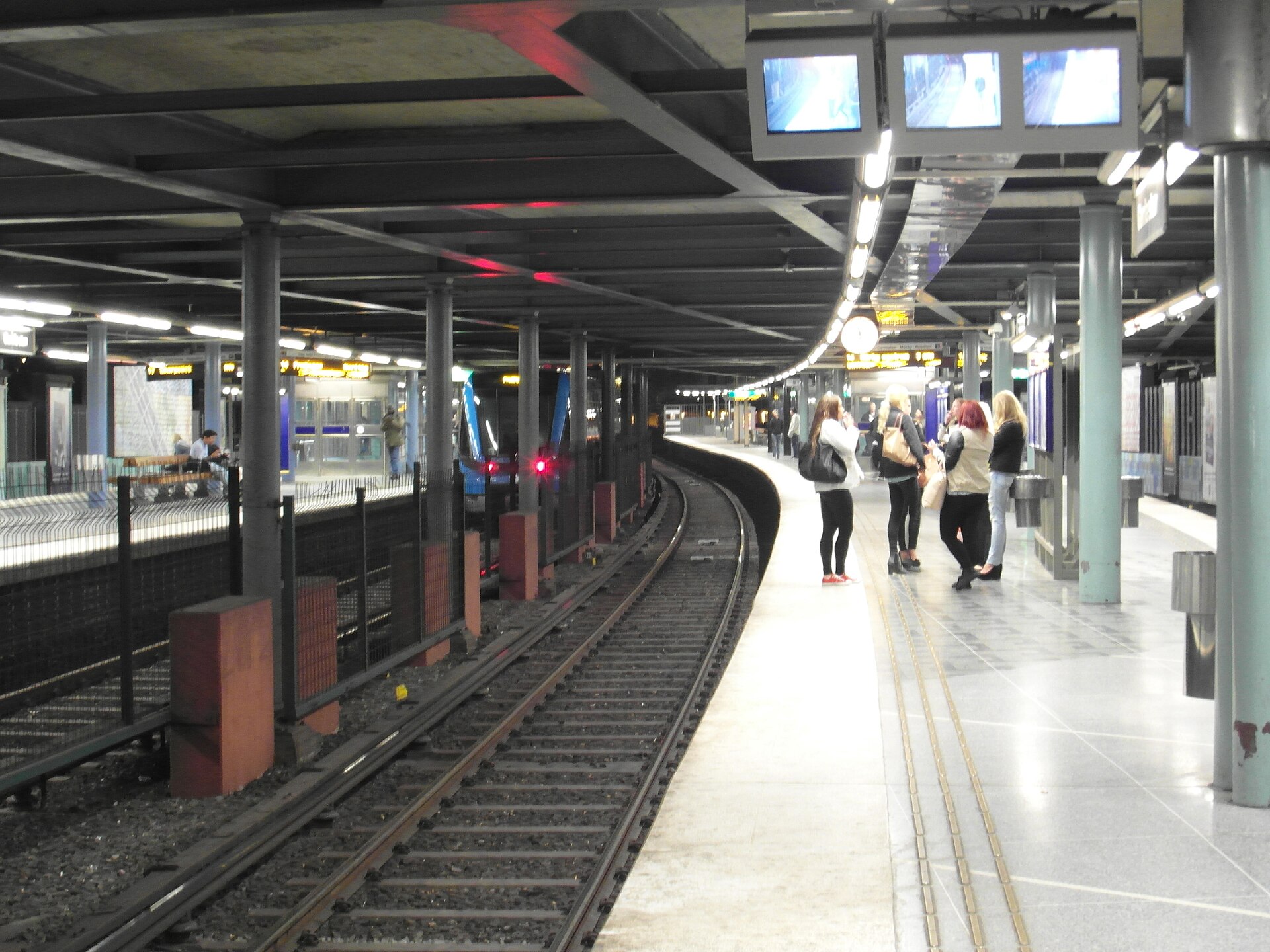
Stockholm’s public transport — metro, buses, commuter trains, and the Djurgården ferry — runs on a single zone-based fare system managed by SL, loaded onto a rechargeable card or an app rather than paid per journey with cash.
For a two-day visit, a time-based ticket covering 24 or 72 hours is usually more practical than single fares, though exact prices should be checked on SL’s own site rather than assumed, since fares change. How the zone system is structured and how the card itself works across different modes are both covered separately. It is worth noting that the metro network is also, by the operator’s own description, decorated with permanent artwork at dozens of stations — a detail worth a detour on either day, explained further in a piece on why the system is sometimes called the world’s longest art gallery.
What should change depending on the season?
Daylight, more than temperature, is what actually reshapes a two-day plan in Stockholm. Summer days run past 9pm and pull outdoor life late into the evening; December days are short enough that museum-heavy itineraries make more sense than long walks.
How this plays out across the year, including the shift from near-permanent light in June to a few hours of grey daylight in December, is set out in a piece tracking daylight through the Stockholm year. Winter cold is manageable but real, and what it actually involves in practice is worth reading before packing. Visitors arriving around the Midsummer weekend in June should also check how much of the city genuinely closes for the holiday, since it affects museum and shop hours more than most public holidays do.
What is realistic to skip in two days?
Two days covers the core of central Stockholm — Gamla Stan, the Djurgården museums, Södermalm, and the city centre — but does not comfortably extend to the archipelago, which requires its own dedicated day given boat schedules that run by season rather than by fixed timetable.
How the archipelago boat network actually operates is worth reading for anyone tempted to add it on; it is generally better treated as a third day than squeezed into an afternoon. The same applies to day trips further out, and to some of the smaller single-collection museums, which reward a slower visit more than a rushed one.
How does this differ for someone who lives here?
A resident showing a visitor around Stockholm in two days is really choosing which parts of the city to re-see rather than discover, and the more useful question is often which neighbourhood to walk through rather than which museum to enter.
For that angle, a broader hub on what the city is actually like to live in covers the everyday mechanics — housing, transport habits, seasonal rhythms — that shape how residents use the same streets a visitor covers in two days. The practical planning hub and the itineraries archive both extend this same geography-first approach to shorter and longer stays.
Access Stockholm is an independent guide written from published, checkable sources. We have not visited the places described here and we do not publish personal recommendations or invented ‘local favourites’ — where something is singled out as notable, we say who says so. Opening times, fares, closures and prices change at short notice, so treat everything here as a starting point and confirm with the museum, operator or venue directly before building a day around it. We give no advice on visas, insurance, health or safety; use your own government’s official guidance for those.
Featured image: Photo by Ingolf from Berlin , Deutschland, source, CC BY-SA 2.0
.jpg)