Allemansrätten — literally “everyone’s right” — is a long-standing principle in Swedish law that allows people to walk, cycle, swim, pick berries and camp briefly on most land, including much privately owned land, without asking permission. It comes with clear limits: no damage, no disturbance, and no going near a private home.
What does allemansrätten actually mean in law?
Allemansrätten is written into the Swedish constitution as a principle rather than a single detailed statute. The Environmental Code (Miljöbalken) and other laws set the boundaries around it, and the Swedish Environmental Protection Agency, Naturvårdsverket, is the government body responsible for explaining and interpreting it publicly.
It is not a law that grants a fixed list of rights. It is closer to a customary freedom to be in and move through nature, balanced against an equally old duty not to disturb or destroy — often summarised in Swedish as “inte störa, inte förstöra”. Landowners cannot generally fence off or forbid access to open land, but they retain rights over their own privacy, crops, forestry and livestock.
What is a person actually allowed to do under it?
Allemansrätten permits walking, running, cycling, skiing, riding and temporary camping across most uncultivated land — forest, meadow, shoreline, lakes and much of the coastline — regardless of who owns it, without needing to ask.
- Walking or hiking across forest, meadow and most open countryside, including land in private ownership.
- Swimming in lakes and the sea, and mooring a small boat temporarily along most shoreline.
- Picking wild berries, mushrooms and most wildflowers for personal use.
- Pitching a tent for one or two nights on land that is not cultivated, garden ground or close to a house.
- Lighting a fire in many outdoor settings, subject to fire-risk restrictions that local authorities announce during dry periods.
None of this requires paying a fee or seeking the landowner’s consent, which is a striking difference from access rules in many other countries.
What is not allowed under allemansrätten?
Allemansrätten does not cover cultivated land, private gardens, land close to someone’s home, driving off-road, cutting down trees, or picking protected species. It does not override nature reserve rules, and it does not permit large or noisy groups, or leaving litter.
The key restriction most people run into is distance from a dwelling: walking through someone’s garden, or camping within clear sight of a house, is not covered, even on otherwise open land. Motor vehicles off marked roads and tracks are excluded entirely. Picking a small number of wildflowers for personal use is generally fine; several species are protected outright and cannot be picked at all, and Naturvårdsverket’s own guidance lists which. Fishing rights are more restricted than the rest of allemansrätten — some inland waters require a local permit even though the surrounding land is freely accessible.
Does allemansrätten apply inside Stockholm itself?
Allemansrätten technically applies across Sweden, but in practice its everyday relevance in central Stockholm is limited, because most of the inner city is streets, private plots and managed parkland rather than open countryside. Its practical reach begins where the parkland does.
Large green spaces inside the city function more like ordinary public parks, governed by municipal park rules on top of allemansrätten — for instance, camping is not something the right of public access extends to inside a city park in the way it would in open forest. Djurgården, much of which remains open parkland and former royal hunting ground, and Gärdet, an open field on the edge of the inner city, are the clearest examples of spaces inside Stockholm where the underlying logic of open access to nature is visible, even where local park regulations layer on top of it.
.jpg)
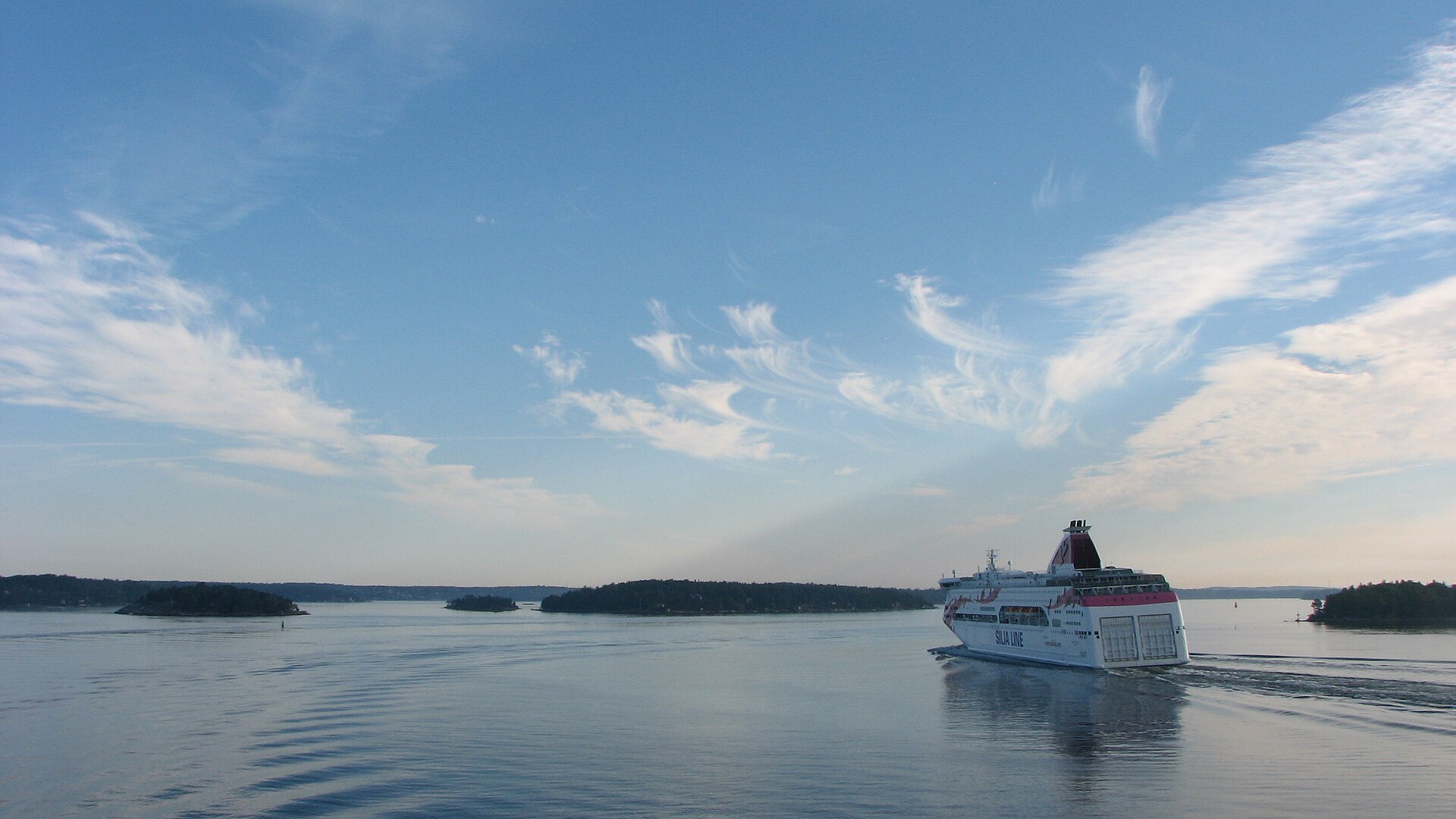
How does allemansrätten shape the Stockholm archipelago?
The archipelago — tens of thousands of islands and skerries stretching east from the city into the Baltic — is where allemansrätten becomes genuinely functional for most visitors and residents. It is the reason people can land on an uninhabited skerry, swim from the rocks, walk across an island, and pitch a tent overnight without seeking anyone’s permission, provided they stay off cultivated plots and away from houses.
Reaching the islands depends on the seasonal boat network described on this site’s page on how Stockholm’s archipelago boats work by season, since services thin out considerably outside summer. Some islands and stretches of coast fall inside nature reserves with their own specific rules — restrictions on fires, dogs off leads, or camping — which sit on top of, and can be narrower than, allemansrätten generally. Where a reserve has posted signage, that signage governs.
What about picking berries and mushrooms?
Allemansrätten allows anyone to pick wild berries, mushrooms and most flowers for personal use on almost any uncultivated land, without asking the landowner, which is one of its most commonly used everyday applications, especially in late summer and autumn.
This applies just as much to forest inside the Stockholm region as it does to more remote parts of the country. Selling what is picked commercially is a separate matter with its own tax and labour-law considerations, which fall outside allemansrätten itself. A small number of plant species carry specific legal protection and cannot be picked regardless of allemansrätten; Naturvårdsverket’s official guidance lists these by name.
Does allemansrätten mean free camping anywhere?
It permits camping for one or two nights on suitable uncultivated land, out of sight of any dwelling, but this is not the same as a general right to camp anywhere for as long as anyone likes, and it does not apply inside managed city parks or most nature reserves without checking local rules.
For a longer stay, or camping with a vehicle, established campsites exist for that purpose. Around Stockholm specifically, camping under allemansrätten is realistically an archipelago and outer-forest activity rather than something available within the built city, where park regulation and simple density rule it out.
How does this matter for residents, as opposed to visitors?
For residents, allemansrätten underpins habits that barely register as a “right” at all — an evening walk through private forest edging a suburb, cross-country skiing across a field in winter, an autumn afternoon picking mushrooms within commuting distance of the city, none of which needs permission or a fee. It is one of the quieter structural facts behind how people who live in and around Stockholm actually use the surrounding landscape, alongside more visible systems like how cycling works in Stockholm or the wider transport network covered in the site’s Getting Around section.
For a visitor, the main practical implication is that a walk into open forest or a landing on an archipelago skerry is not trespassing, provided the basic conditions — distance from houses, no damage, no large disruptive groups — are respected. Anyone weighing exactly what the current rules say, including fire restrictions during dry spells or protected-species lists, should treat Naturvårdsverket as the primary source, since it is the government body that publishes and updates the official guidance. General background on how the city and its surrounding land are organised is covered in this site’s Living in Stockholm hub and its Stockholm guide to landmarks, neighbourhoods and green space.
Access Stockholm is an independent guide written from published, checkable sources. We have not visited the places described here and we do not publish personal recommendations or invented ‘local favourites’ — where something is singled out as notable, we say who says so. Opening times, fares, closures and prices change at short notice, so treat everything here as a starting point and confirm with the museum, operator or venue directly before building a day around it. We give no advice on visas, insurance, health or safety; use your own government’s official guidance for those.
Featured image: Photo by Егор Журавлёв from Smarde, Latvia, source, CC BY-SA 2.0
.jpg)