Can You Swim in Central Stockholm? What Changed
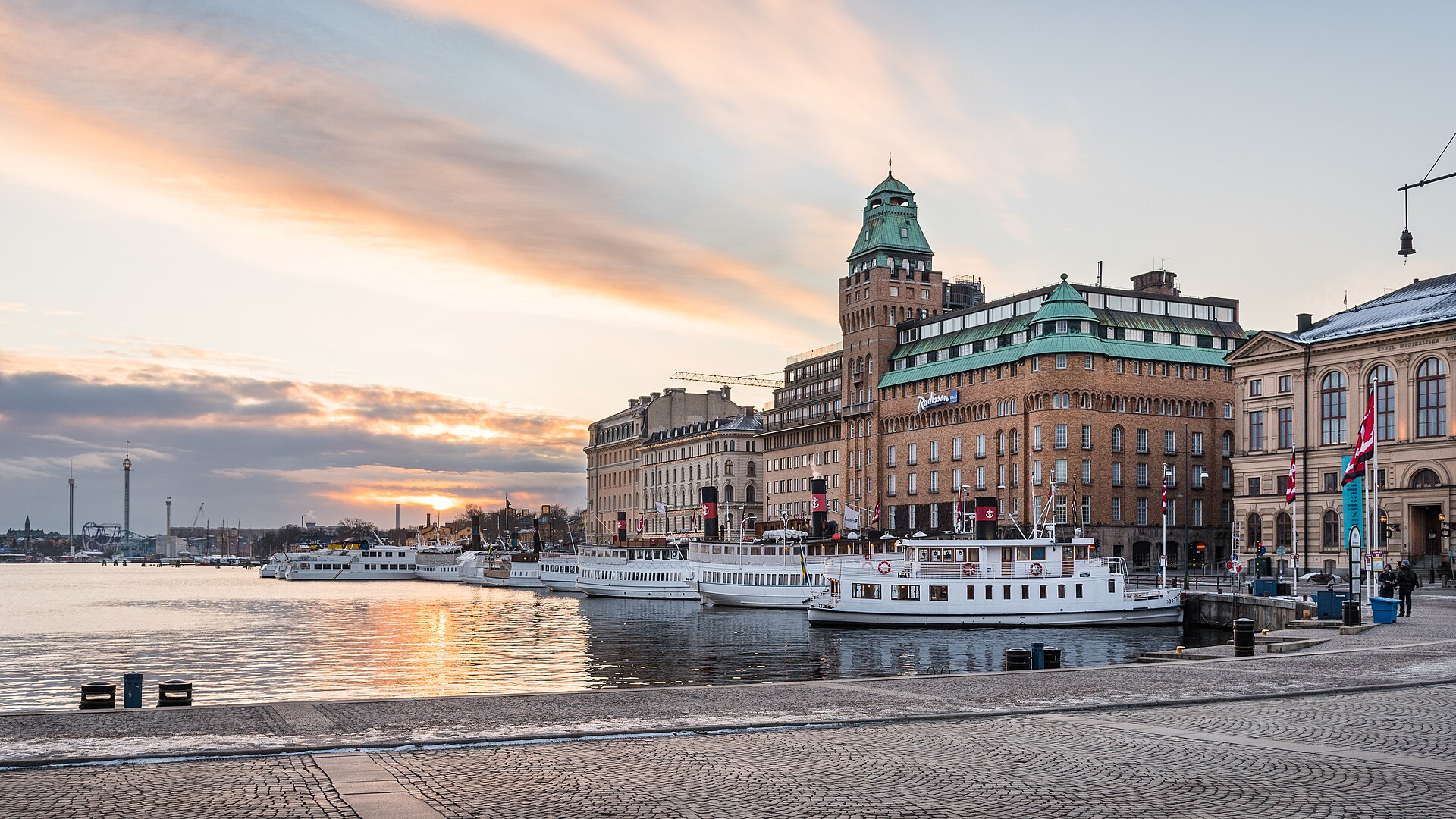
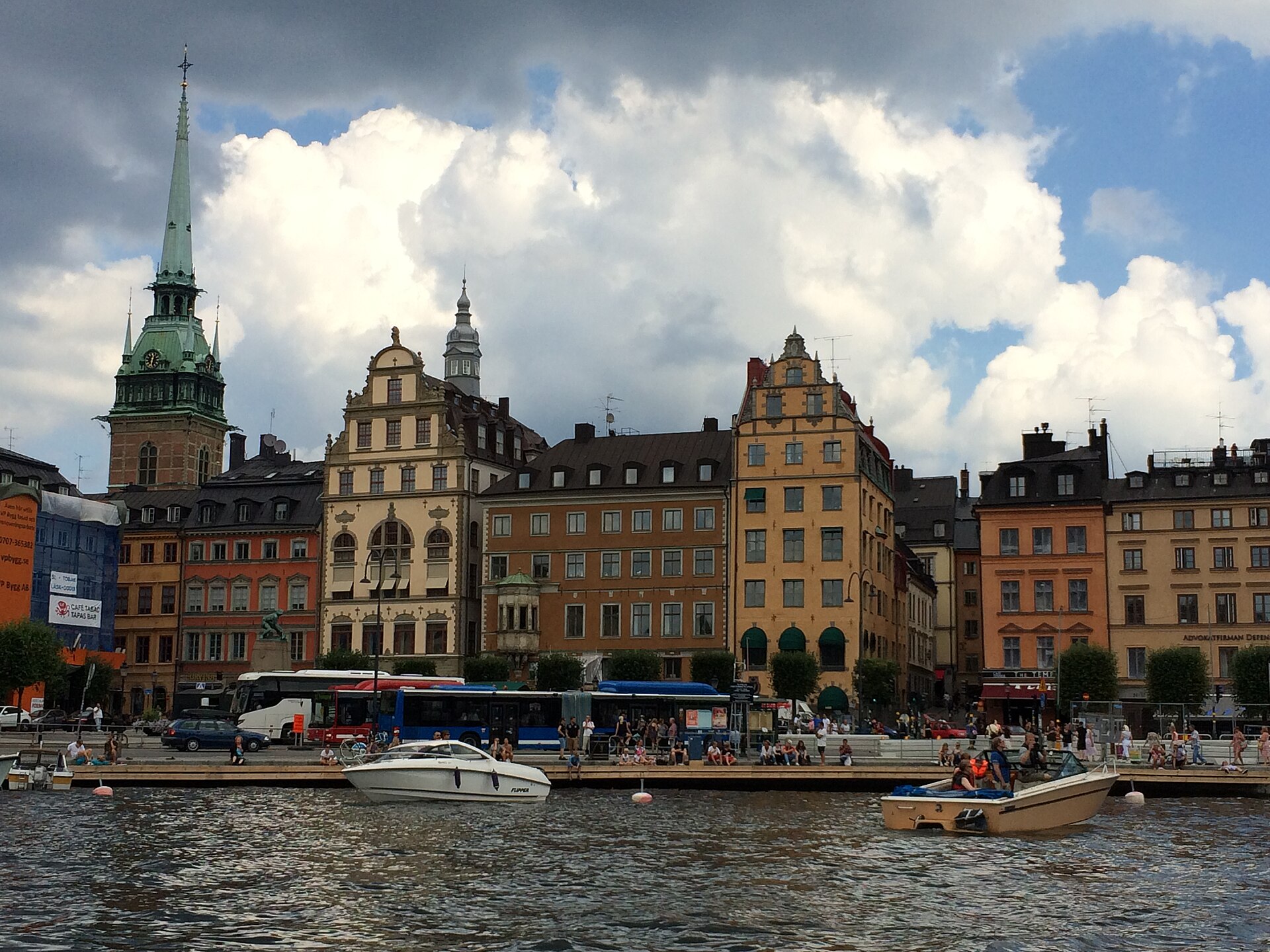
Nybrokajen and Blasieholmen in Stockholm, with the Strand Hotel tower and archipelago boats along the quay

Yes. Central Stockholm’s harbour waters — Riddarfjärden, the canals around Södermalm, the basins off Kungsholmen and Djurgården — are clean enough to swim in, and the city maintains official bathing sites in several of them. That wasn’t true for most of the twentieth century. What changed was decades of investment in sewage treatment and the … Read more
What Is Nackareservatet? Stockholm’s Forest Nature Reserve

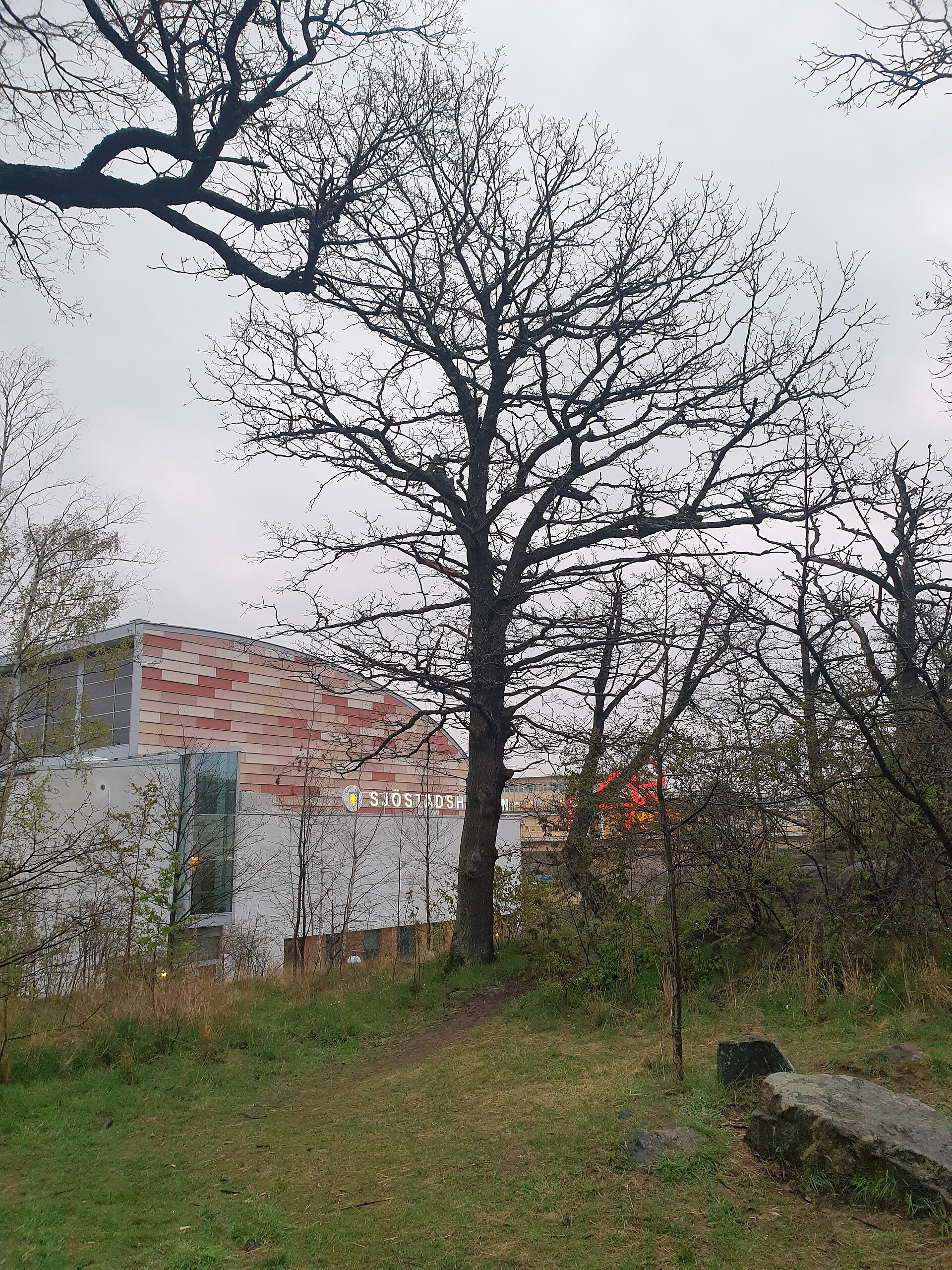
Nackareservatet near Hammarby Sjöstad in Stockholm

Nackareservatet is a nature reserve of forest, rock and lakes on the southeastern edge of Stockholm, split across the boundary between Nacka municipality and Stockholm municipality. It protects a stretch of near-wilderness that survived being built over as the surrounding suburbs grew, and it is managed jointly by the two municipalities rather than by a … Read more

What Is the Royal National City Park in Stockholm?

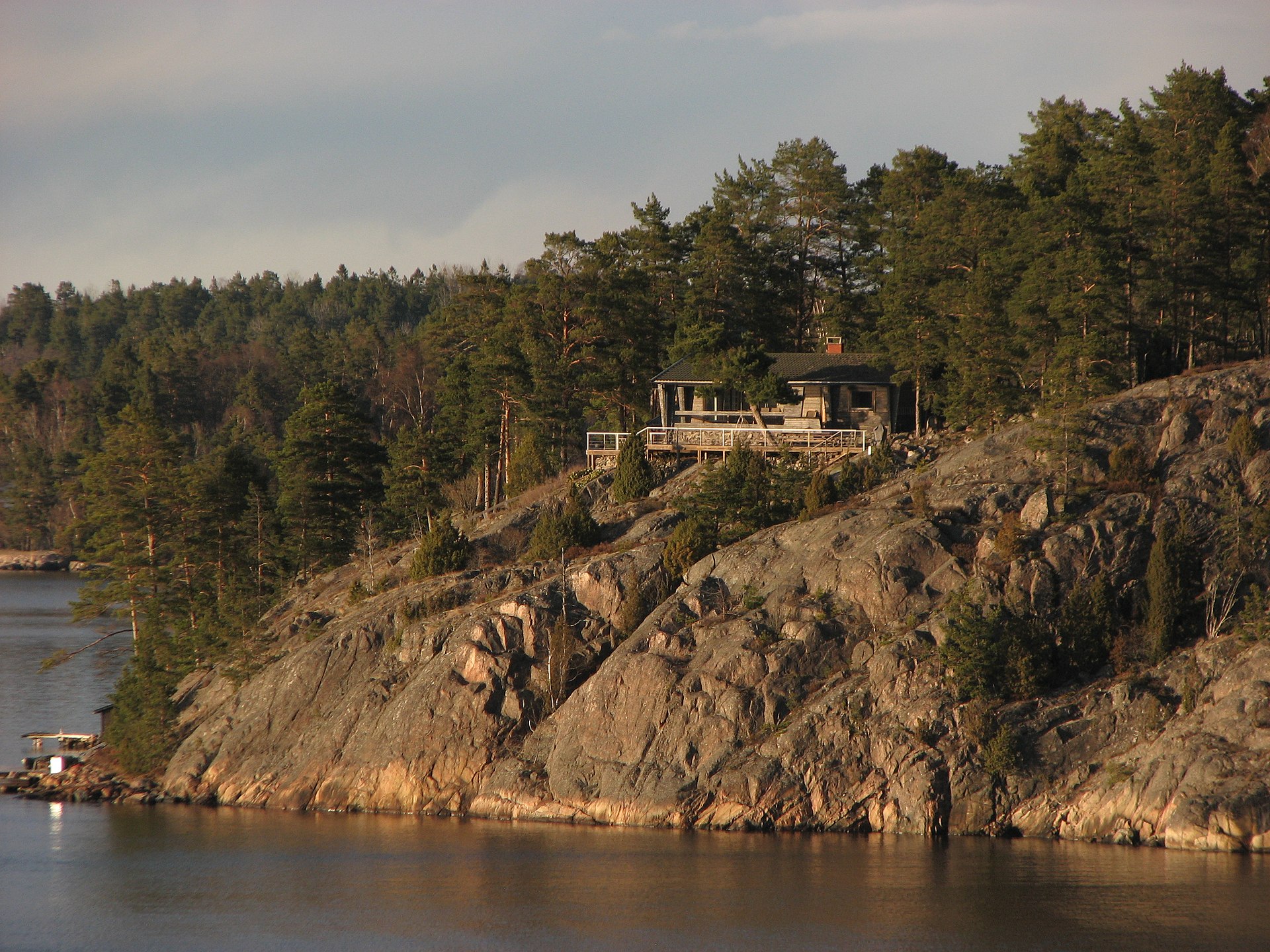
Islands and water in the Stockholm archipelago

The Royal National City Park — Kungliga Nationalstadsparken in Swedish, often shortened to Nationalstadsparken or nicknamed Ekoparken — is a legally protected band of parkland, water and forest that runs through Stockholm, Solna and Lidingö. It was created by an act of the Swedish parliament in 1995, the first designation of its kind anywhere in … Read more

What Is Tantolunden? Södermalm’s Largest Public Park

Gamla stan and Södermalm in Stockholm seen from the sea

Tantolunden is a large public park on the western side of Södermalm, the island district south of central Stockholm. It runs along the Årstaviken bay between the Hornstull and Zinkensdamm metro stations, combining open lawns, a wooded ridge, a historic allotment garden colony and a stretch of shoreline. It functions as one of inner-city Stockholm’s … Read more

What Is Hagaparken? Stockholm’s Royal Park Explained

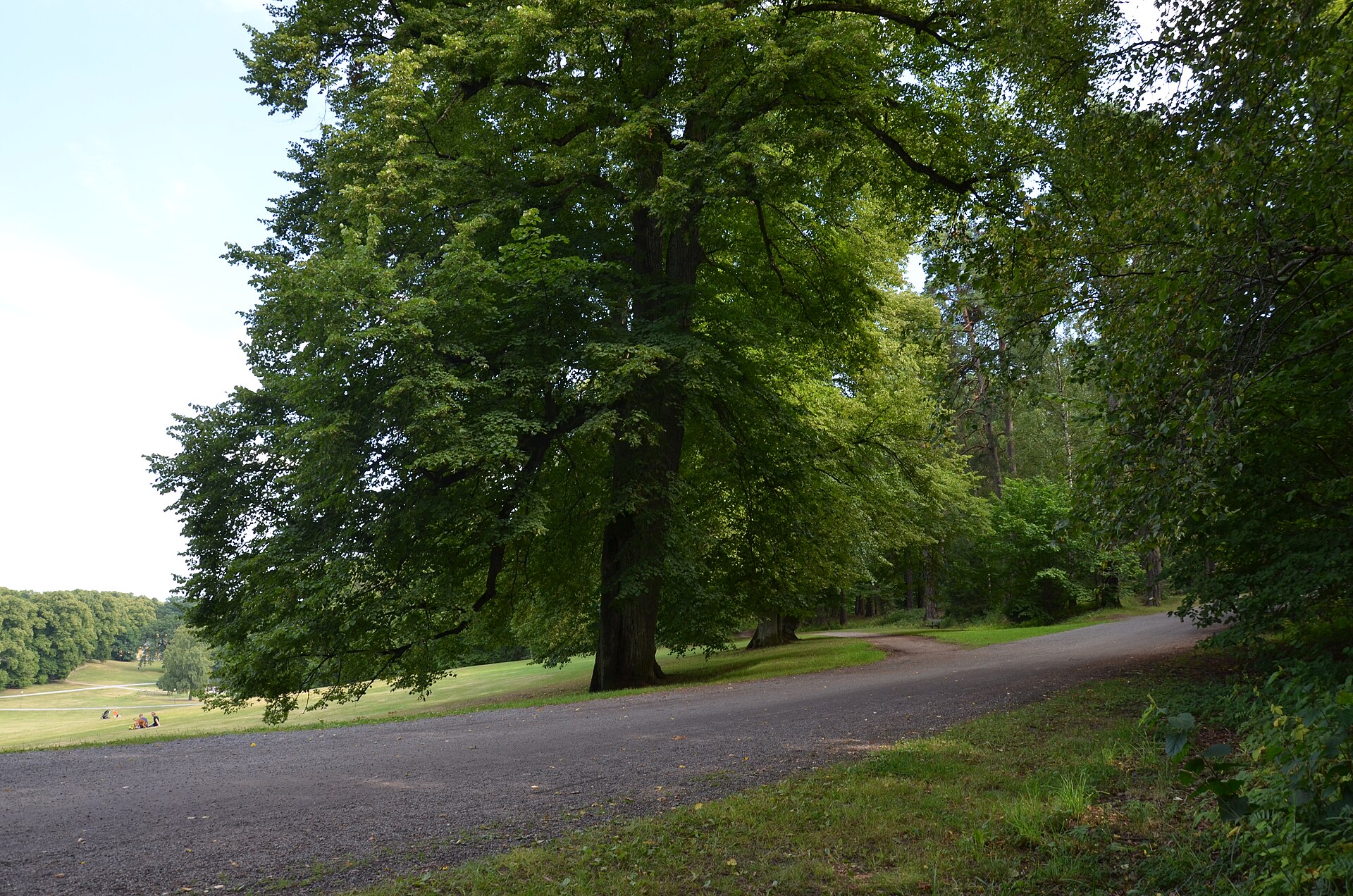
Trees and open lawn in Hagaparken, Stockholm

What is Hagaparken? Hagaparken is an 18th-century royal park on the northern edge of central Stockholm, laid out as an English-style landscape garden for King Gustav III from the 1780s onward. It contains a small number of Gustavian-era buildings, open lawns running down to the bay of Brunnsviken, and a working royal residence. Entry to … Read more

What Is Djurgården as a Park, Not a Museum District?

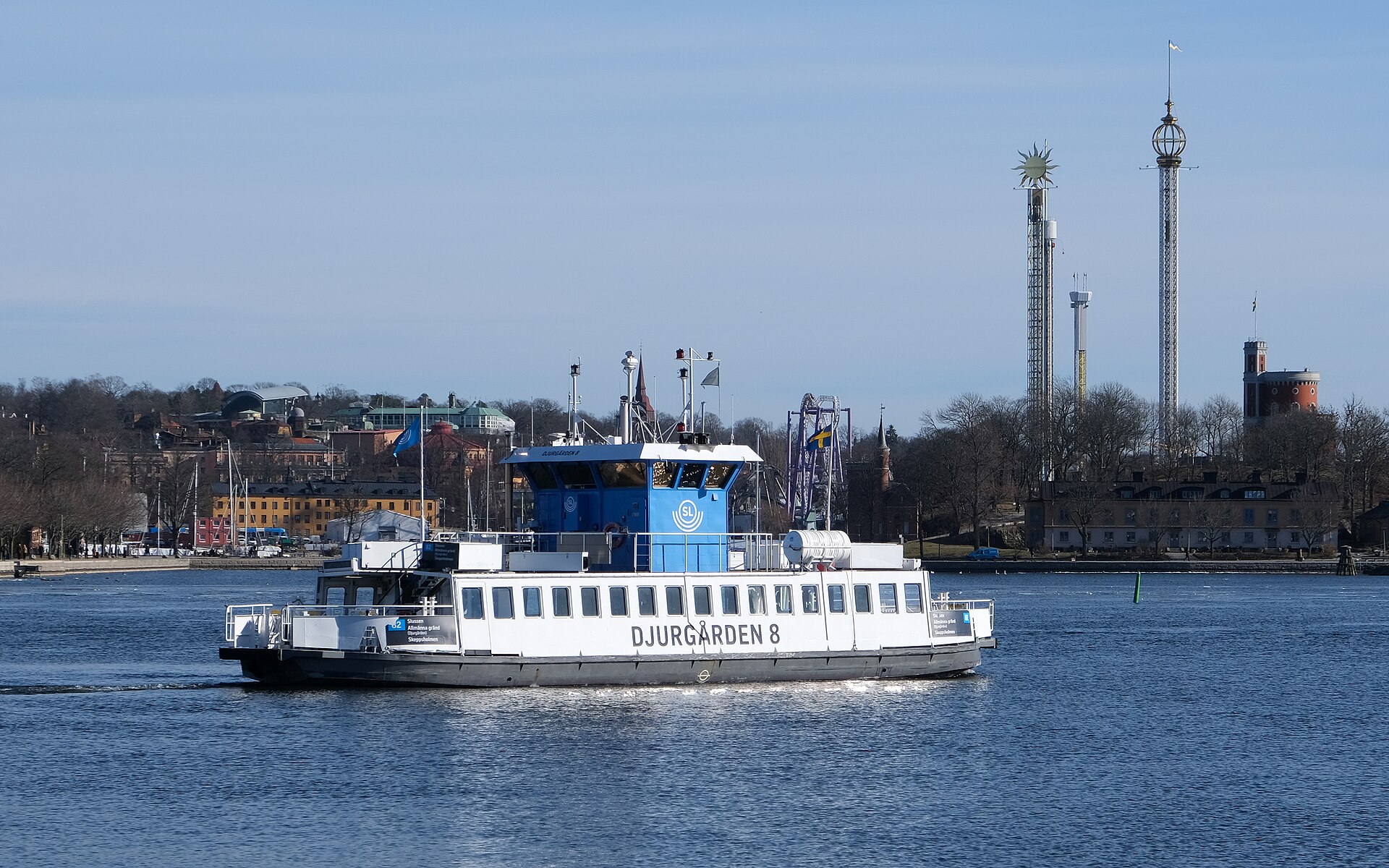
The Djurgården ferry on the water in Stockholm

Djurgården is an island of protected parkland in central Stockholm — a former royal hunting ground of forest, meadow and shoreline that happens to also hold a cluster of major museums. The buildings are recent additions to a landscape that has been managed as crown land, and now as part of a national park, for … Read more

How Do You Actually Visit the Stockholm Archipelago?

Islets and water in the Stockholm archipelago

You visit the archipelago by boat, almost always from central Stockholm, on scheduled services run by public and private operators rather than by chartering anything. Most people pick one or two islands within a day-trip radius, check the season, and book the boat — not a “tour” — as the transport it actually is. What … Read more

What Is the Stockholm Archipelago, and How Big Is It?

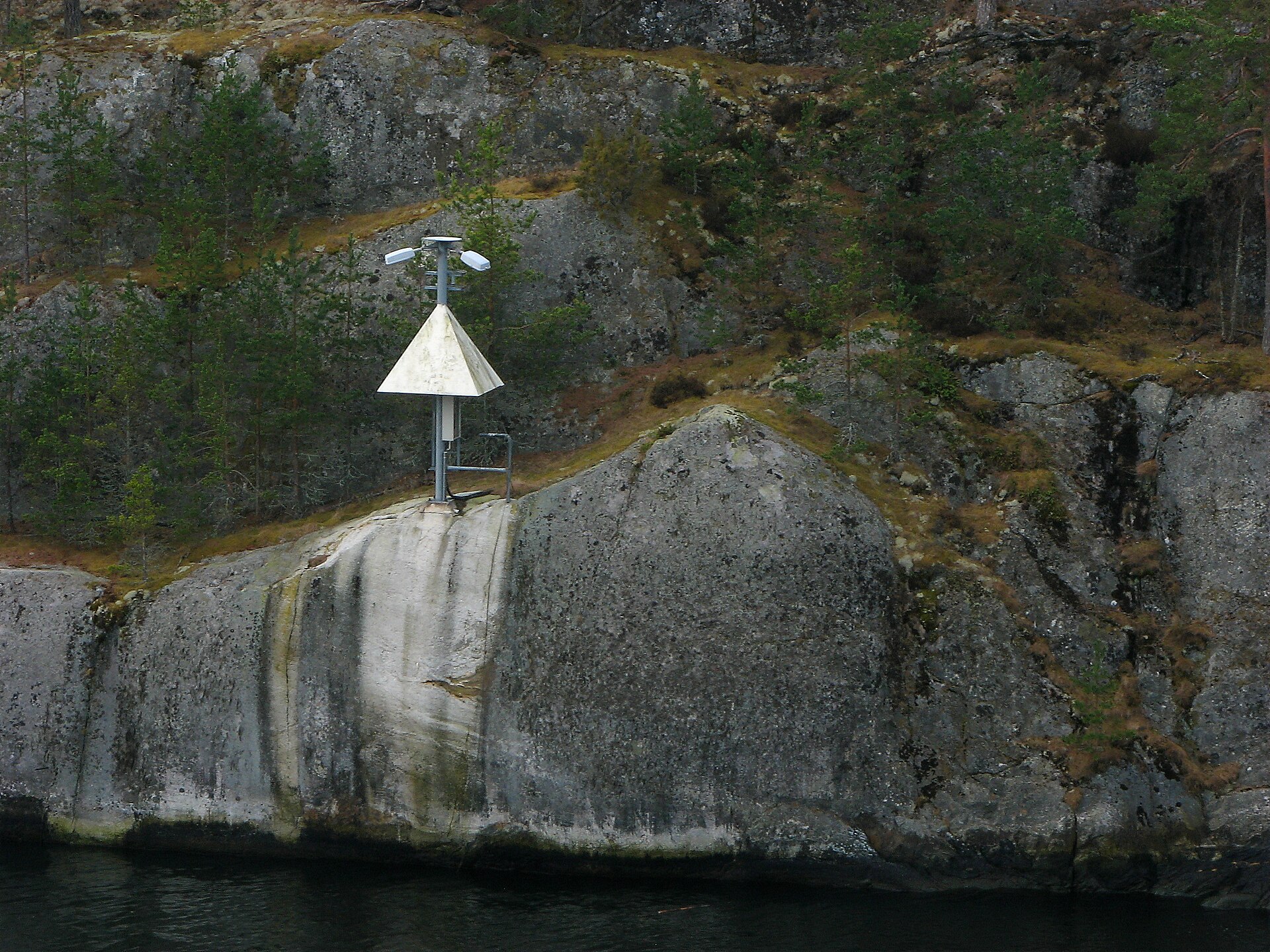
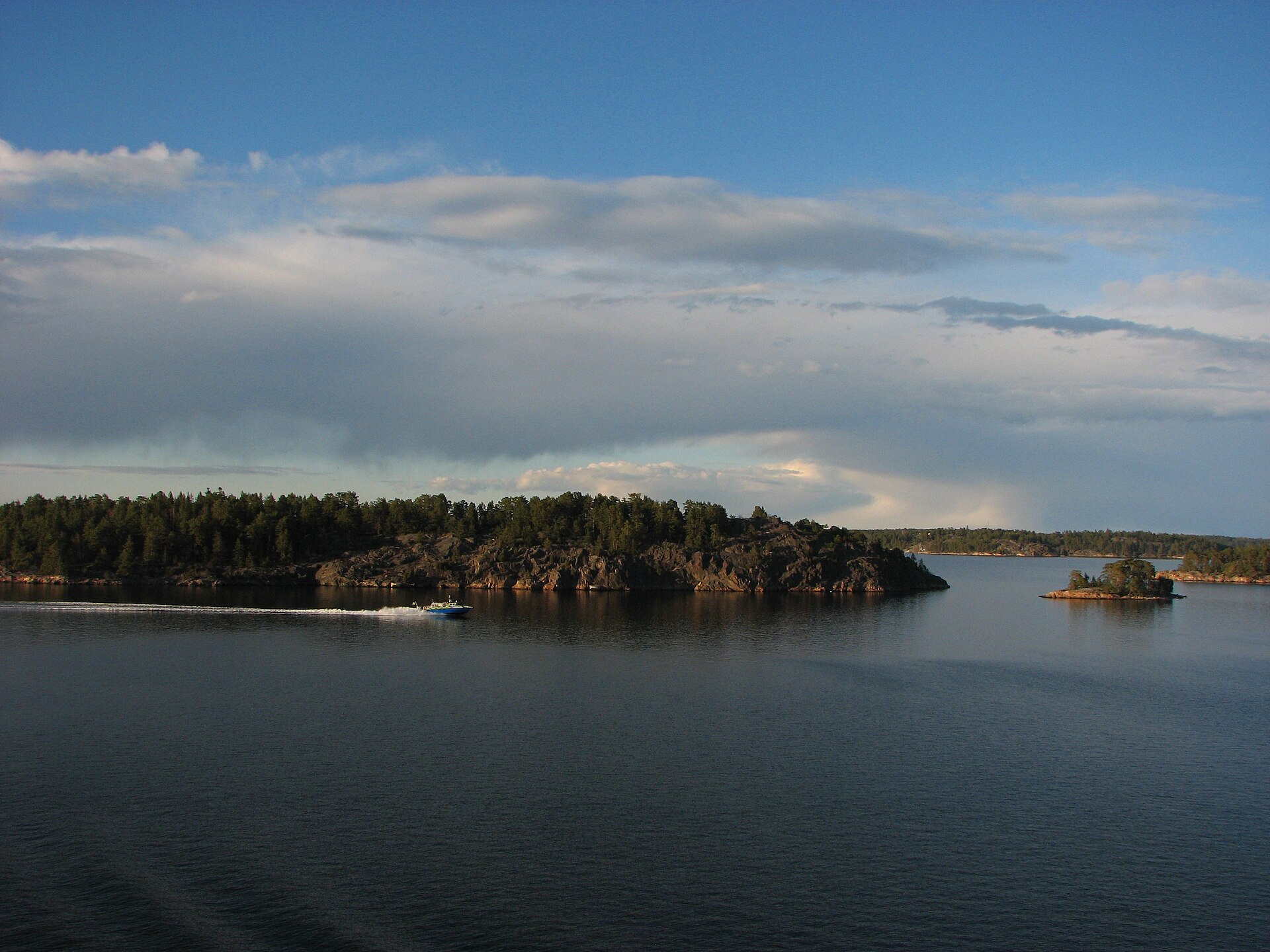
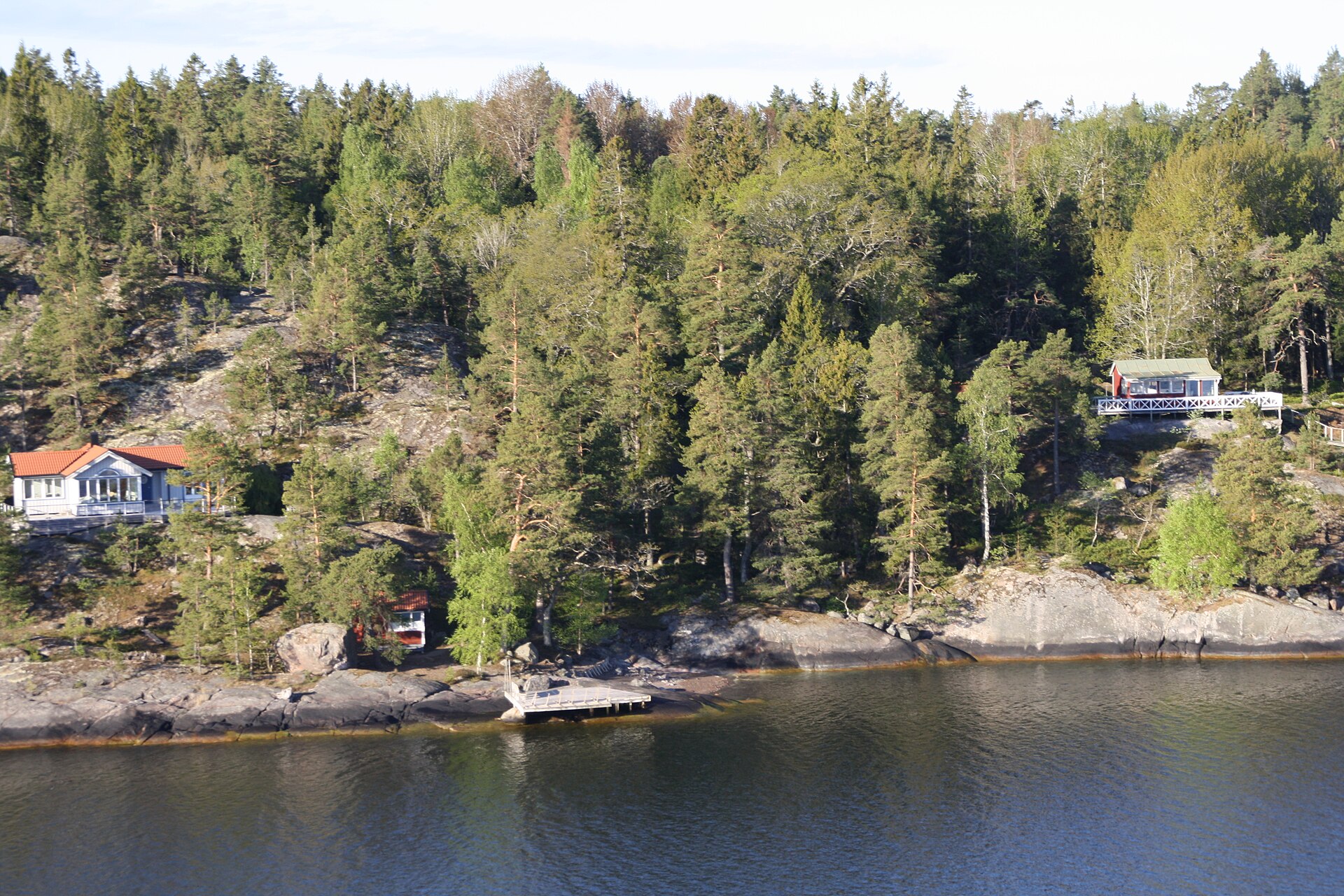
A stretch of the Stockholm archipelago seen from the water

The Stockholm archipelago is the belt of islands, islets and bare rocks that runs east from the city into the Baltic Sea. It is not a single destination but a graded landscape: built-up islands close to the city centre, working fishing villages further out, and uninhabited skerries at the edge, where the water opens onto … Read more

What Is Allemansrätten, Sweden’s Right of Public Access?

An island shoreline in the Stockholm archipelago

Allemansrätten — literally “everyone’s right” — is a long-standing principle in Swedish law that allows people to walk, cycle, swim, pick berries and camp briefly on most land, including much privately owned land, without asking permission. It comes with clear limits: no damage, no disturbance, and no going near a private home. What does allemansrätten … Read more

About what you read here. Access Stockholm is an independent guide written from published, checkable sources — museum and transport operators’ own information, official city and tourism data, and the public record. We have not visited the places we write about, and we do not publish personal recommendations or invented “local favourites”. Where we point to something notable we say who says so.

Opening times, fares, closures and prices change, often at short notice. Everything here is a starting point, not a booking confirmation — always check the venue’s or operator’s own site before you build a day around it. We are not a travel agency and we give no advice on visas, insurance, health or safety requirements; for those, use your own government’s official guidance.

We do not book anything. Access Stockholm is a guide. It sells nothing, takes no bookings or reservations, handles no payments, and holds no tickets, rooms or seats. Some links here lead to travel companies, and some of those are affiliate links that may earn this site a commission at no extra cost to you. Any booking you make is a contract between you and that company, under its own terms, prices and cancellation rules. We are not a party to it and have no responsibility for it — including availability, prices, changes, cancellations, refunds or anything that goes wrong on the trip. Check the details with the company before you pay.