You visit the archipelago by boat, almost always from central Stockholm, on scheduled services run by public and private operators rather than by chartering anything. Most people pick one or two islands within a day-trip radius, check the season, and book the boat — not a “tour” — as the transport it actually is.
What is actually meant by “the archipelago”?
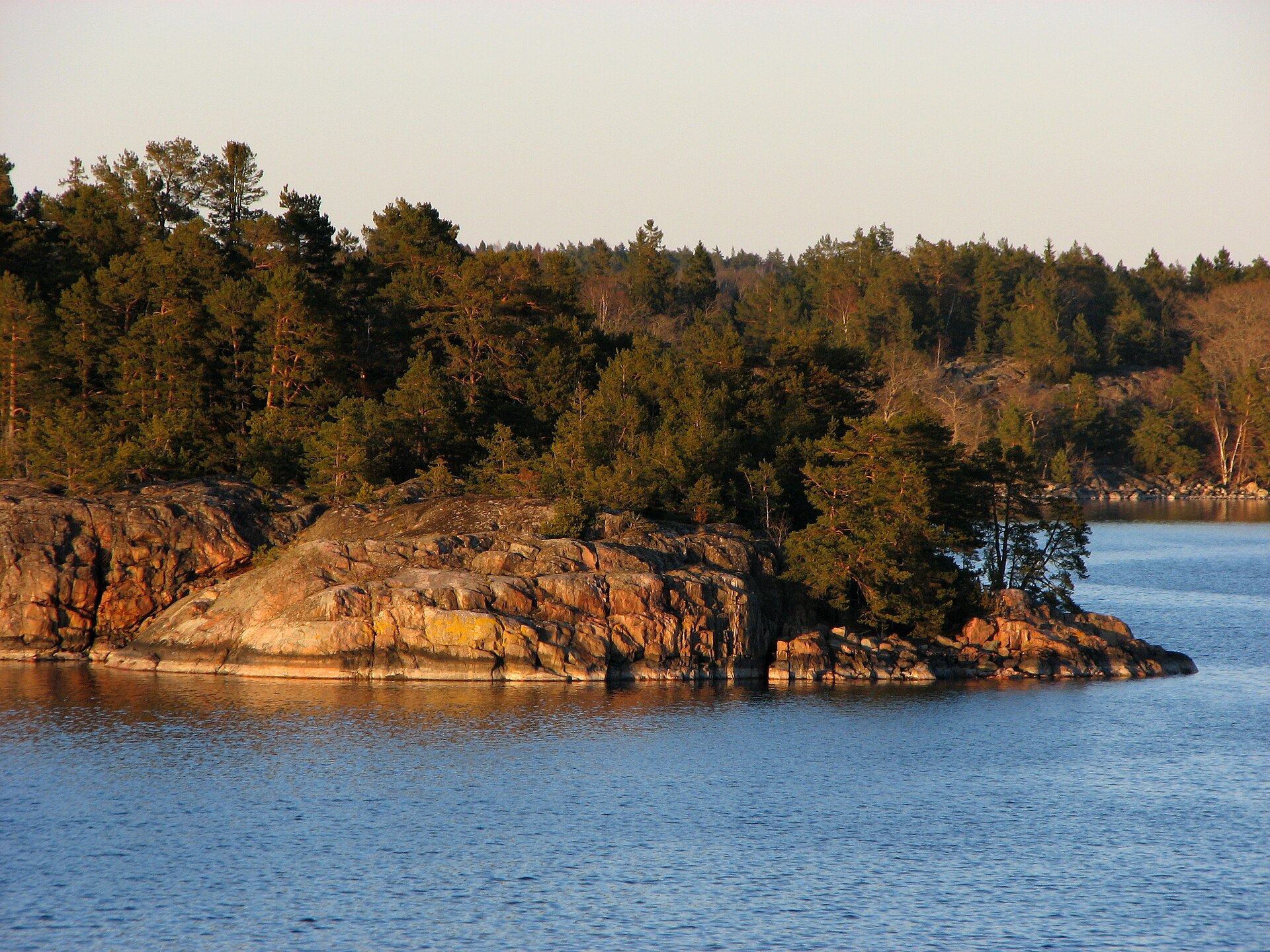
The Stockholm archipelago is a genuine geographic feature, not a marketing term: an archipelago of roughly 30,000 islands, islets and skerries stretching from the city out into the Baltic Sea. Its scale and structure are covered in detail on this site’s own explainer, what the Stockholm archipelago is and how big it is. The point that matters for planning: the inner islands are a short boat ride from Stockholm’s centre, while the outer archipelago can take several hours to reach, and “visiting the archipelago” can mean either.
How do you actually get out there?
The main routes run from central departure points, principally along Strandvägen on Östermalm and from Nybroplan and Slussen, using scheduled boats rather than anything booked as a private excursion. Two kinds of operator run these services:
- Waxholmsbolaget, the archipelago traffic operator working under Region Stockholm’s public transport authority, SL. It runs year-round scheduled services to a large number of islands, on routes and timetables it publishes on its own site.
- Strömma, a private operator running scheduled and themed boat services, including some routes into the archipelago, alongside canal and harbour sightseeing in central Stockholm.
Because these are scheduled public services with published timetables, the practical approach is to check the operator’s own site for the current route map and departure times rather than rely on a fixed schedule here — timetables change by season and are the kind of detail this site treats as perishable. The mechanics of the boats themselves, including how service differs between summer and winter, are set out in Stockholm’s archipelago boats, explained by season.
Which islands do people actually visit?
There is no single “archipelago experience” — the islands differ hugely in character and distance from the city, and that is the main variable in planning a visit.
- Fjäderholmarna is the closest island group to central Stockholm, reachable in around 25 minutes by boat, and the only part of the archipelago inside Nacka Nature Reserve. It is small enough to see in an afternoon.
- Vaxholm is a fortified town on Vaxholmen island, historically the gateway to the archipelago for shipping traffic into Stockholm; Vaxholm Fortress, now a museum, sits opposite the town.
- Grinda is a mid-archipelago island largely managed for public access, without a town centre in the Vaxholm sense.
- Sandhamn, further out, is a sailing hub associated with the Royal Swedish Yacht Club (KSSS) and one of the longer boat journeys from the city.
Distance from the city correlates directly with boat time and with how “developed” an island feels — a genuinely useful way to choose between them is by how many hours the round trip will take, not by name recognition.
.jpg)
Can you visit the archipelago on a short trip?
Yes, but the amount of archipelago you can meaningfully see in a single day is limited by boat schedules, not by willpower. A day trip generally means choosing one nearby island, taking a morning boat out and an afternoon boat back, and accepting that the outer archipelago is out of range. This exact question — how to fit archipelago time into a trip that also includes the city — is addressed directly in how to fit the archipelago into a short trip, and the wider question of what a day on the water in Stockholm involves, including canal and harbour options that don’t require a full archipelago crossing, is covered in a day in Stockholm on the water.
Does the season change how this works?
Substantially. Summer sees the densest timetable, with more islands served and more frequent departures, reflecting both tourist demand and the fact that many archipelago residents use these same boats to commute or supply summer houses. Outside summer, Waxholmsbolaget maintains services to permanently inhabited islands year-round, but frequency drops and some seasonal routes stop altogether. Winter can also bring ice conditions that affect smaller vessels on certain routes. None of this is exotic — it is the normal seasonal rhythm of a working ferry network, laid out on the operator’s own published schedules and summarised in how the archipelago boats work by season.
What does a ticket actually cost, and how do you buy one?
Waxholmsbolaget sells its own tickets, separate in structure from the SL card used on Stockholm’s metro, bus and commuter trains, though SL and Waxholmsbolaget services do connect at some points. Fares vary by zone and distance, and — like most fares in this city — are the kind of figure that changes without much notice, so the reliable approach is to check current prices directly on Waxholmsbolaget’s own site before travelling rather than rely on a number printed anywhere else. Strömma, similarly, sells its own tickets for its scheduled and themed routes. Neither operator requires booking through a third party.
What should someone living in Stockholm know that a visitor wouldn’t need?
For residents, the archipelago isn’t a single excursion but a transport network some people use regularly — commuting to a summer house, visiting family on an inhabited island, or simply making a habit of the inner islands on a free afternoon. Waxholmsbolaget publishes season passes and multi-trip options aimed at exactly this kind of repeat use, distinct from single tickets aimed at day visitors. The archipelago boats also sit alongside Stockholm’s separate network of urban commuter ferries within the city itself, which is a different system covered in how Stockholm’s commuter ferries work — useful to distinguish, since the two are sometimes confused by people new to the city.
What are you actually allowed to do once you’re on an island?
Much of what makes the archipelago usable without a private boat or a booked activity is allemansrätten, Sweden’s right of public access, which allows walking, cycling and temporary camping across most land — including much of the archipelago — regardless of who owns it, within limits around private gardens and cultivated land. This is a real legal principle, not a courtesy, and it is explained properly in what allemansrätten actually permits. It is the reason a scheduled boat ticket, rather than a guided tour, is genuinely sufficient to visit most islands independently.
What’s the honest limitation of a single visit?
Roughly 30,000 islands cannot be represented by one trip, however it’s planned, and no operator’s schedule tries to imply otherwise. A single day reaches one, perhaps two, nearby islands; a longer stay allows an overnight on somewhere further out, where boats run less often and the return schedule becomes the main constraint on the day. The practical answer to “how do you visit the archipelago” is therefore not a single route but a method: pick a distance band, check Waxholmsbolaget’s or Strömma’s current timetable for it, and build the day or the stay around the boat times that actually exist that week — which is also covered from the city side in the broader planning resources under Parks & Archipelago.
Access Stockholm is an independent guide written from published, checkable sources. We have not visited the places described here and we do not publish personal recommendations or invented ‘local favourites’ — where something is singled out as notable, we say who says so. Opening times, fares, closures and prices change at short notice, so treat everything here as a starting point and confirm with the museum, operator or venue directly before building a day around it. We give no advice on visas, insurance, health or safety; use your own government’s official guidance for those.
Featured image: Photo by Егор Журавлёв from Smarde, Latvia, source, CC BY-SA 2.0
.jpg)