What Are Stockholm’s Districts Like to Live In?

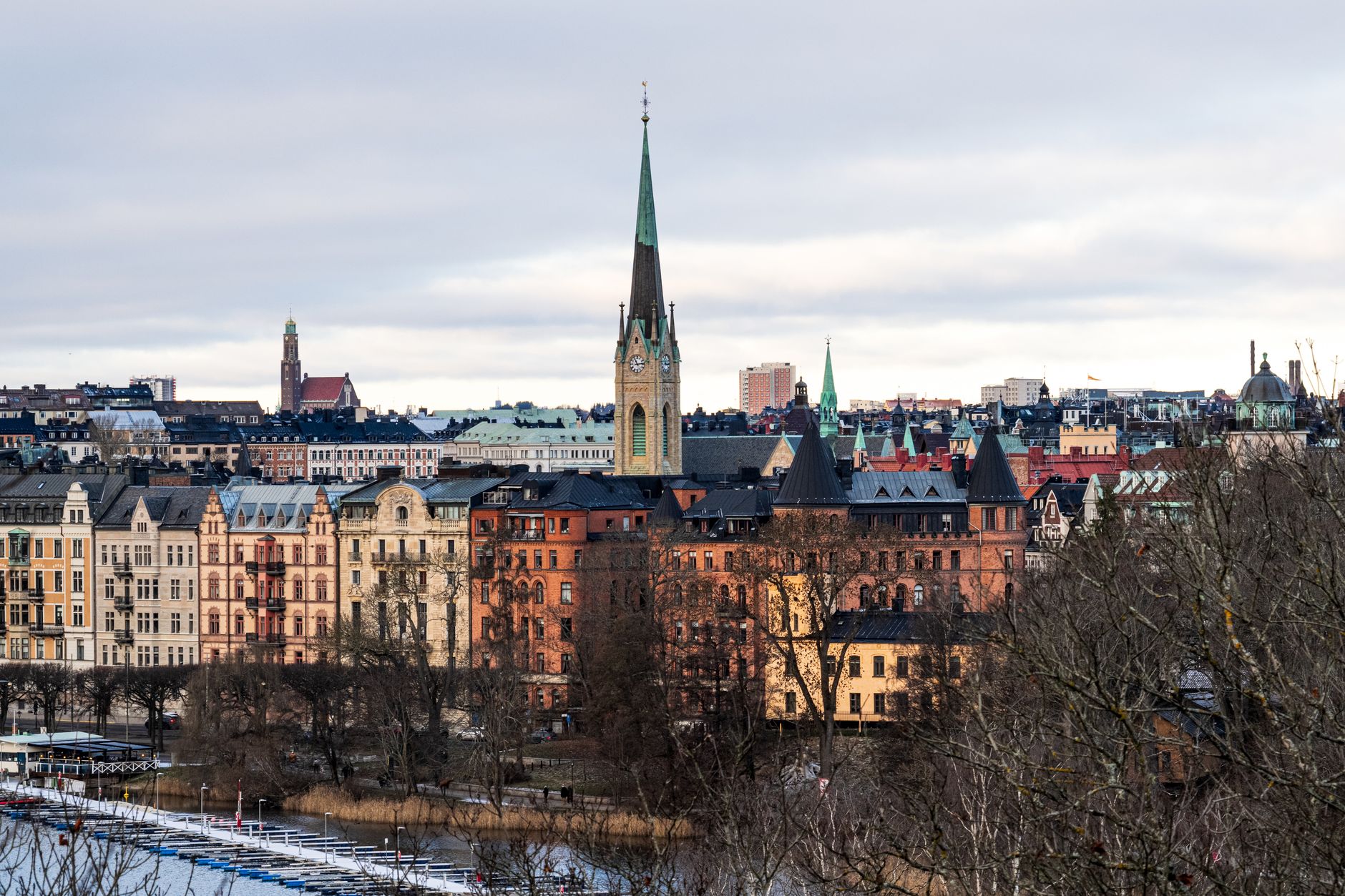
Waterside houses and rocks in the Stockholm archipelago seen from a ship

Stockholm’s districts differ mainly by age of building stock, island or mainland geography, and distance from the centre by rail. Inner-city districts like Södermalm and Vasastan are dense, older, and expensive; outer suburbs vary from 1930s garden-city blocks to 1960s–70s mass housing, and are cheaper but rely more heavily on commuter rail and the metro. … Read more

How Does the Working Day Differ in Stockholm?

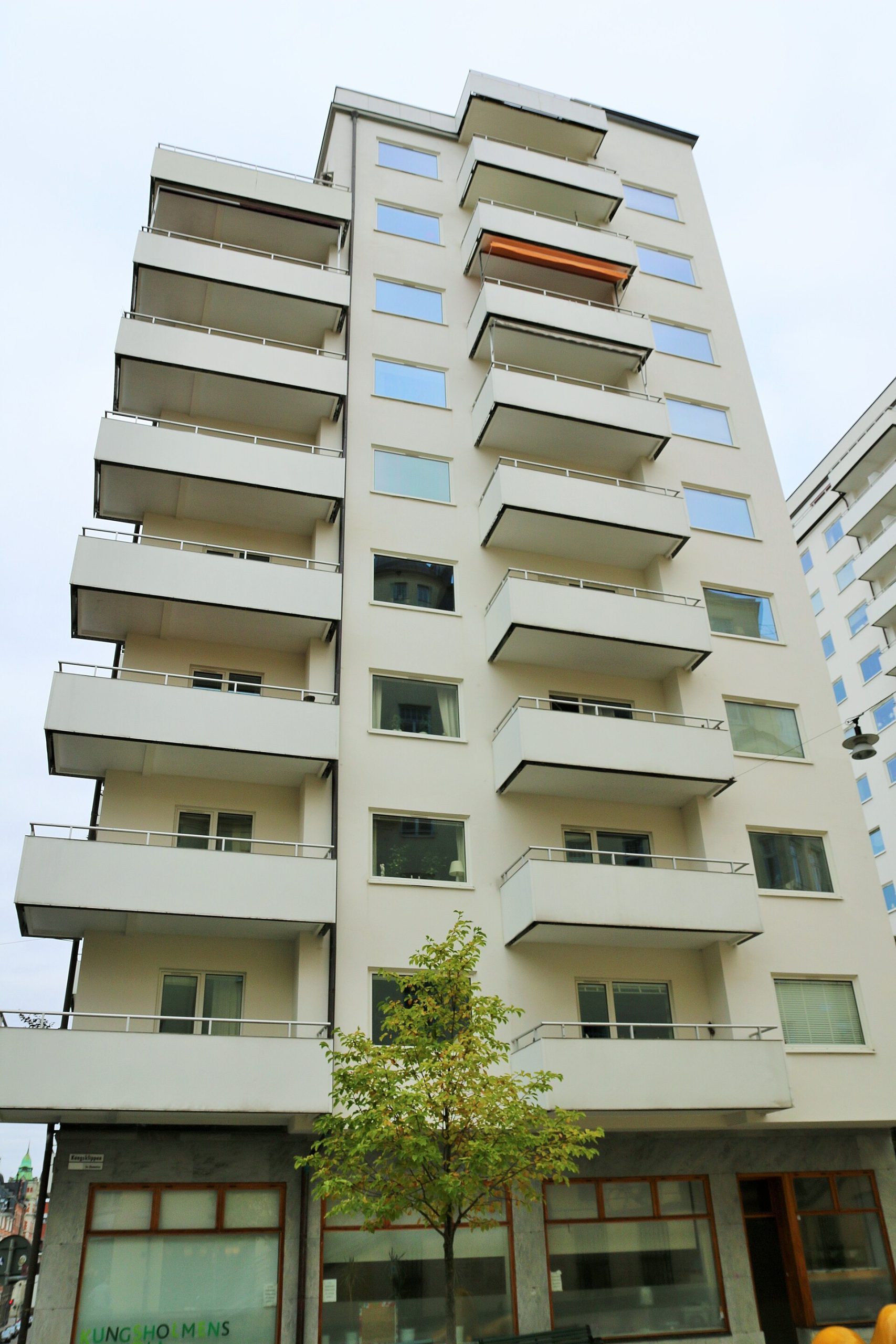
A modernist apartment block in Stockholm, described as a machine for living in

The Stockholm working day tends to start and finish earlier than in many other European capitals, is broken by a fixed lunch hour and one or two fika (coffee break) pauses, and is often compressed around preschool drop-off and pickup times. Law sets the outer limits; culture and childcare logistics fill in the rest. What … Read more

What Is Parental Leave in Sweden, in Practice?

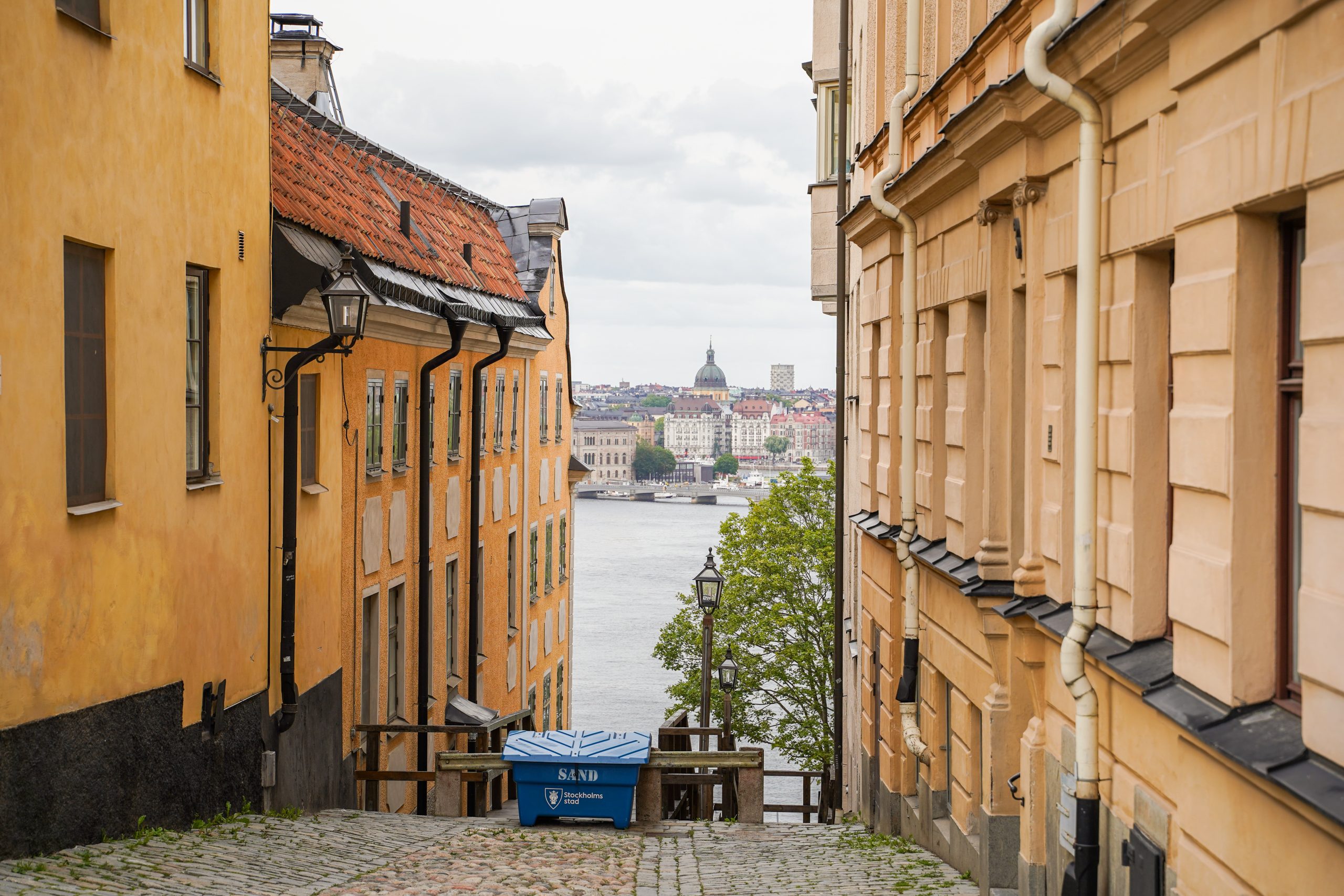
Skyline of Stockholm with historic architecture reflecting on water under a clear sky

Parental leave in Sweden — föräldraledighet — is a state benefit administered by Försäkringskassan, the Swedish Social Insurance Agency, that gives parents a shared allowance of paid leave days to use until a child turns twelve, with most of it taken in the first two years. It is funded through payroll taxes, not through an … Read more

What Do Stockholmers Actually Do in Winter Darkness?

Ice cream from Kungsholmens Glassfabrik in Stockholm

Stockholmers spend winter darkness doing much the same things they do the rest of the year — working, commuting, seeing friends, exercising — but they shift where and how. More time moves indoors and underground, artificial and candlelight get used deliberately rather than incidentally, and outdoor life reorganises itself around ice, snow and a handful … Read more

How Does Recycling and Refuse Work in Stockholm?

Residential buildings along Sjövikskajen by Årstaviken in Stockholm

Stockholm’s waste system runs on source separation: households split rubbish into several streams — food waste, packaging by material, paper, glass, electronics, hazardous waste and a small residual fraction — before it is collected. The city’s utility, Stockholm Vatten och Avfall, manages household collection; residual waste is burned for district heating and electricity rather than … Read more

How Does Stockholm’s Cost of Living Compare in Sweden?

The residential building 79&Park in Gärdet, Stockholm, seen from the park

Stockholm is Sweden’s most expensive place to live, and the gap is driven almost entirely by housing rather than everyday spending. Statistics Sweden’s household and price data consistently put the capital above the national average, while food, transport and services track much closer to Gothenburg, Malmö and the rest of the country. What actually costs … Read more

How Does the School System Work in Stockholm?

The Waterfront building in Stockholm under construction in September 2009

Stockholm runs on the Swedish national school system, not a city-specific one: nine years of compulsory grundskola (comprehensive school) from around age six or seven, three further years of non-compulsory gymnasium (upper secondary school), and a preschool system parents can access from around age one. What makes Stockholm distinctive is the scale of school choice … Read more

How Does Healthcare Access Work for Stockholm Residents?

Katarina Kyrkobacke on Södermalm in Stockholm, Sweden

Healthcare in Stockholm is organised regionally rather than nationally. Region Stockholm — the elected authority for the county — runs and funds hospitals and primary care clinics through taxation, and access depends on residency status. A resident registered with a personnummer signs up with a local vårdcentral (primary care clinic) for everyday care, uses 1177 … Read more

First-Hand vs Second-Hand Renting in Sweden Explained

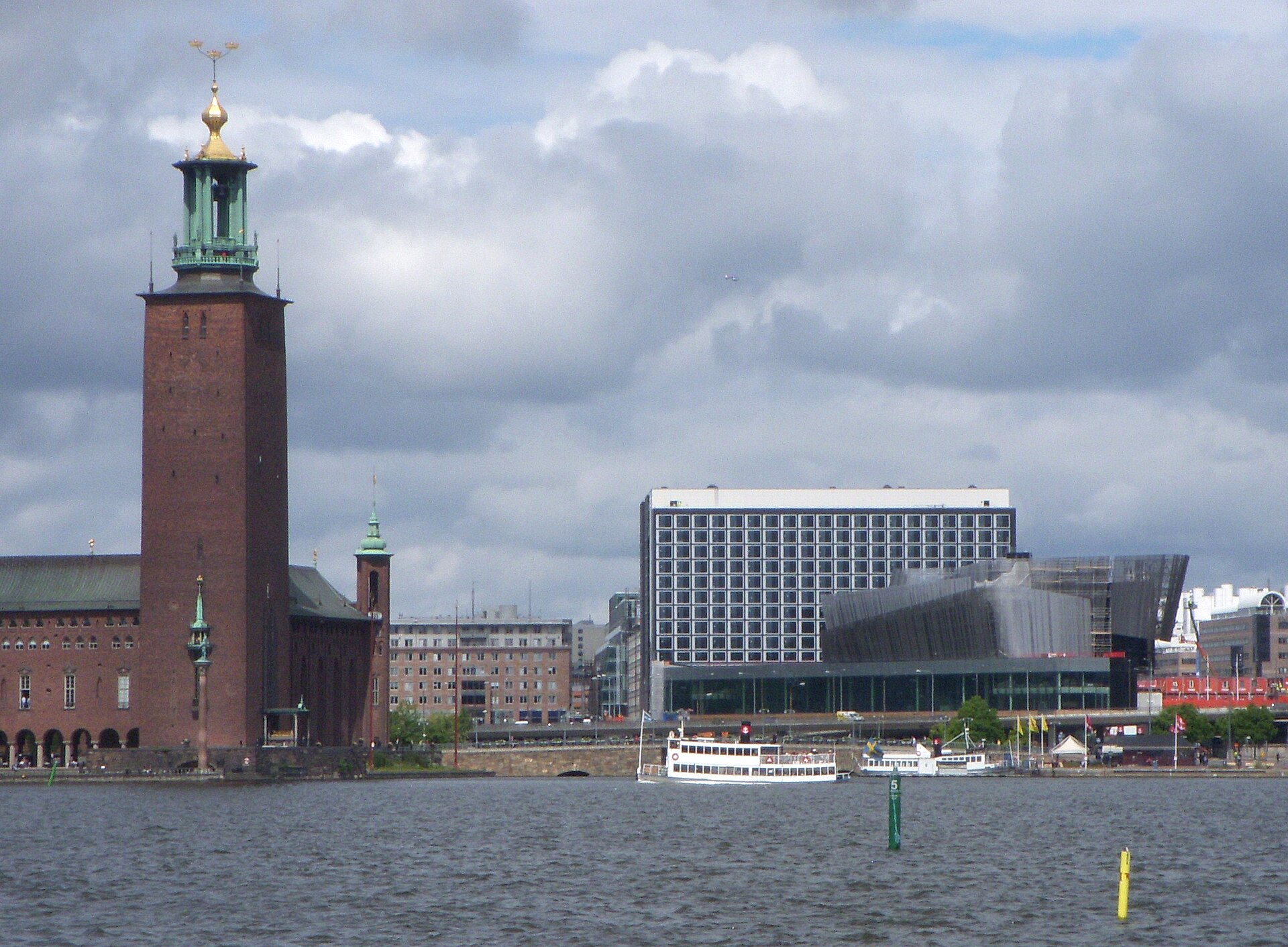
Stockholms stadshus and the Stockholm Waterfront building

A first-hand contract (förstahandskontrakt) is a lease held directly with the landlord — a housing company, a private owner, or a housing association. A second-hand contract (andrahandskontrakt) is a sublease: someone who already holds a first-hand contract, or owns the flat outright, rents it out to someone else, usually for a fixed period. The difference … Read more

About what you read here. Access Stockholm is an independent guide written from published, checkable sources — museum and transport operators’ own information, official city and tourism data, and the public record. We have not visited the places we write about, and we do not publish personal recommendations or invented “local favourites”. Where we point to something notable we say who says so.

Opening times, fares, closures and prices change, often at short notice. Everything here is a starting point, not a booking confirmation — always check the venue’s or operator’s own site before you build a day around it. We are not a travel agency and we give no advice on visas, insurance, health or safety requirements; for those, use your own government’s official guidance.

We do not book anything. Access Stockholm is a guide. It sells nothing, takes no bookings or reservations, handles no payments, and holds no tickets, rooms or seats. Some links here lead to travel companies, and some of those are affiliate links that may earn this site a commission at no extra cost to you. Any booking you make is a contract between you and that company, under its own terms, prices and cancellation rules. We are not a party to it and have no responsibility for it — including availability, prices, changes, cancellations, refunds or anything that goes wrong on the trip. Check the details with the company before you pay.