Stockholmers spend winter darkness doing much the same things they do the rest of the year — working, commuting, seeing friends, exercising — but they shift where and how. More time moves indoors and underground, artificial and candlelight get used deliberately rather than incidentally, and outdoor life reorganises itself around ice, snow and a handful of scheduled daylight hours rather than disappearing.
How dark does Stockholm actually get in winter?
At the winter solstice, Stockholm gets roughly six hours between sunrise and sunset, and the sun sits low even at midday. The city sits at about 59°N — further north than Moscow — so the seasonal swing in daylight is extreme by the standards of most places residents or visitors are likely to be arriving from. Sweden’s national meteorological agency, SMHI, publishes daily sunrise and sunset data for exactly this reason: the swing is large enough that people plan around it rather than ignore it. The mechanics of that swing, and how it compares to summer’s near-endless light, are covered in more detail on what light does through the Stockholm year.
Does the cold matter as much as the dark?
Residents and researchers alike tend to say the darkness is the bigger adjustment, not the temperature. Stockholm’s winter cold is real but not extreme by Scandinavian standards, and the practicalities of dressing for it are well understood locally. What is harder to plan around is a working day that starts and ends in the dark for weeks at a stretch. The specifics of temperature ranges and what that means for daily life are set out on how cold Stockholm winter actually is in practice.
How do people manage the lack of daylight?
Two responses show up consistently in how the city is built and how people describe living in it: getting outside during the daylight hours that do exist, and compensating indoors with light and warmth.
- Lunchtime becomes the main daylight window for people working standard office hours, which is one reason the midday meal is treated as a fixed appointment rather than something squeezed in — see what a dagens lunch deal is and why it shapes the day.
- Homes and workplaces use layered lamp lighting rather than a single overhead bulb, and candles are used at a scale that would look excessive elsewhere — a habit reinforced every December by Advent and Lucia traditions, both of which centre on light in a dark month.
- Some residents use light therapy lamps that mimic daylight spectrum, a product category widely sold in Sweden and discussed by Swedish health authorities in relation to seasonal mood changes — though this site does not offer medical guidance and readers should consult their own health service or a physician for anything beyond general awareness.
Does outdoor life stop in winter?
No — it changes shape. Stockholm’s parks and waterways are used differently once ice and snow arrive rather than abandoned.
- Cross-country skiing tracks are groomed on several of the city’s larger green spaces once snow cover allows, including parts of the Royal National City Park.
- Outdoor ice rinks, both natural lake ice (when conditions permit) and maintained rinks, draw skaters through the coldest months; conditions and safety on natural ice are a matter the city and local authorities assess each winter, not something to judge independently.
- Cycling continues for a meaningful share of commuters, with the city maintaining priority-cleared cycle routes through winter — the practicalities of this are covered on what it is like to cycle through a Stockholm winter.
- Parks such as Tantolunden and Hagaparken remain in use for walking and running throughout the season, simply with fewer daylight hours to do it in.

What role does indoor culture play in winter?
Museums, galleries and food halls see more use in winter, partly by design. Several of Stockholm’s major museums extend evening opening on specific days during the darker months, a pattern worth checking directly with each institution rather than assuming — details change year to year. The city’s museum landscape as a whole, spanning national collections to smaller specialist sites, is covered in the museums and galleries archive.
Coffee culture also intensifies. Fika — the fixed coffee break that structures much of the Swedish working day — becomes more of an indoor refuge in winter than a quick stop, and its social function is explained on what fika actually is, with the wider culture around it set out on Swedish coffee culture beyond fika.
What food traditions mark the darkest months?
Seasonal eating patterns are more visible in winter than in summer, largely because so much of it is built around warmth and ritual rather than fresh produce.
- Julbord — the Christmas smörgåsbord spread of cured, pickled and warm dishes — is served at restaurants and hotels through December, an extension of the broader smörgåsbord tradition.
- Glögg, a spiced and warmed wine, is sold at markets and cafés specifically in the pre-Christmas weeks.
- Semla, a cardamom bun filled with almond paste and cream, marks late winter and Shrovetide specifically — its timing and origin are explained on what the semla is and when it is eaten.
- Husmanskost — traditional home cooking such as stews and root-vegetable dishes — is more prominent on menus in winter than summer, described in full on what husmanskost actually is.
The broader logic behind why Swedish food follows the calendar this closely is covered on the Swedish approach to seasonal food.
Does the darkness change how the city runs administratively?
Yes, in small but real ways. Public transport schedules, street lighting maintenance and school pickup times are all adjusted with the season in mind, and the city’s public lighting is a deliberate piece of infrastructure rather than an afterthought — strings of lights along commercial streets and squares through December do practical as well as decorative work. Anyone trying to understand how a Stockholm day is actually organised in December specifically — what stays open, what the light window allows for — is better served by how to plan a Stockholm day in December than by general assumption.
What do residents do that visitors might not notice?
A few habits are more about long-term residents managing an entire season than about any single day out.
- Households invest in proper winter clothing as a one-off cost rather than layering improvised gear, treating it as infrastructure rather than fashion.
- Saunas — found in many apartment buildings, gyms and at public bathing spots — are used through winter as a fixed part of the week rather than an occasional treat.
- Social plans move indoors to homes rather than outdoor meeting points, which is part of why Swedish home culture and the concept of mys (a deliberate, cosy indoor atmosphere) become more visible in November through February than at any other time of year.
How this fits into the wider rhythm of living in the city — housing, work, and the practical texture of a Stockholm year — is the subject of the Living in Stockholm hub, with the day-to-day mechanics of getting around during darker, colder months covered in the Getting Around archive.
Is winter darkness a reason to avoid visiting?
That depends entirely on what a visitor wants from the trip, and this site does not make that call. What can be said factually is that museums, food culture and much of the city’s indoor life run at full capacity through winter, while some outdoor activity (archipelago boat schedules in particular) is reduced. The seasonal trade-offs across the whole year, including when daylight and crowds both peak, are laid out on the best time of year to visit Stockholm.
Access Stockholm is an independent guide written from published, checkable sources. We have not visited the places described here and we do not publish personal recommendations or invented ‘local favourites’ — where something is singled out as notable, we say who says so. Opening times, fares, closures and prices change at short notice, so treat everything here as a starting point and confirm with the museum, operator or venue directly before building a day around it. We give no advice on visas, insurance, health or safety; use your own government’s official guidance for those.
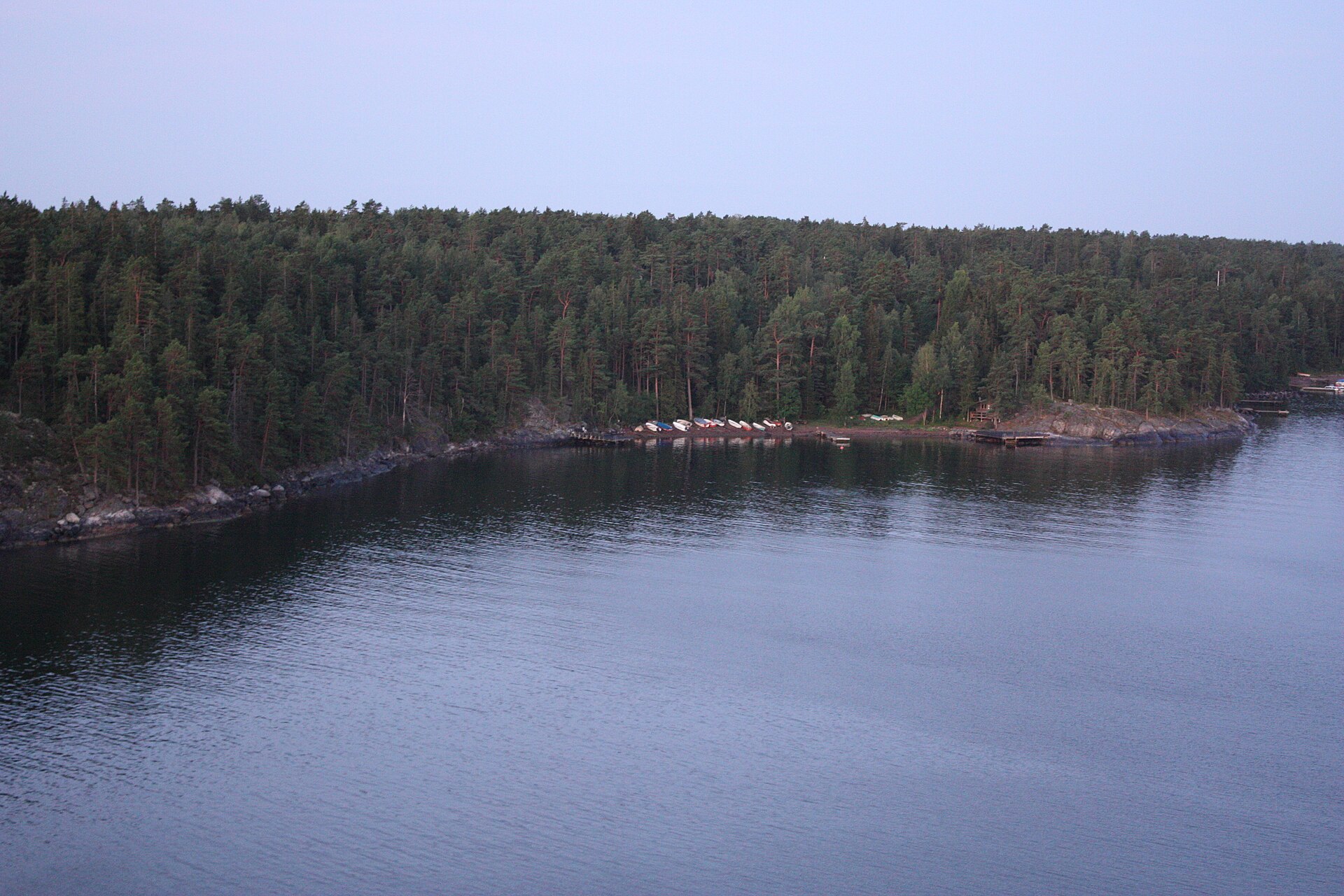
Featured image: Photo by Øyvind Holmstad, source, CC BY-SA 4.0
