What is Tekniska Museet?
Tekniska Museet is Sweden’s national museum of technology and industry, standing on Norra Djurgården in Stockholm since 1936. It holds tens of thousands of objects covering engineering, transport, communication and invention, alongside a hands-on science centre for children and a domed cinema-planetarium called Cosmonova. It is run as an independent foundation, not a government agency.
Where is Tekniska Museet, and how do you get there?
The museum sits at Museivägen 7, on the northern shore of Djurgårdsbrunnsviken, in the district generally called Norra Djurgården or Ladugårdsgärdet. This is a distinct piece of land from the island of Djurgården across the water, where Skansen, the Vasa Museum and the ABBA Museum stand. It is easy to conflate the two, but they are separated by open water and reached differently.
Public transport connections run via bus routes serving Museivägen and the wider Gärdet–Djurgården area, with Gärdet metro station on the red line within reasonable walking distance. The museum’s own site publishes current route numbers and journey planning links, and these are worth checking before travelling, since bus numbering and timetables change.
What does the collection actually contain?
The core collection documents roughly two centuries of Swedish industrial and engineering history, built up since the museum’s founding in 1924 by engineering associations and industrial interests, with the present building designed by architect Ragnar Hjorth and opened to the public in 1936.
Permanent holdings and exhibitions cover, among other areas:
- Vehicles: historic cars, motorcycles and aircraft tracing the mechanisation of Swedish transport.
- Industrial machinery: steam engines, textile and paper-making equipment from Sweden’s industrialisation.
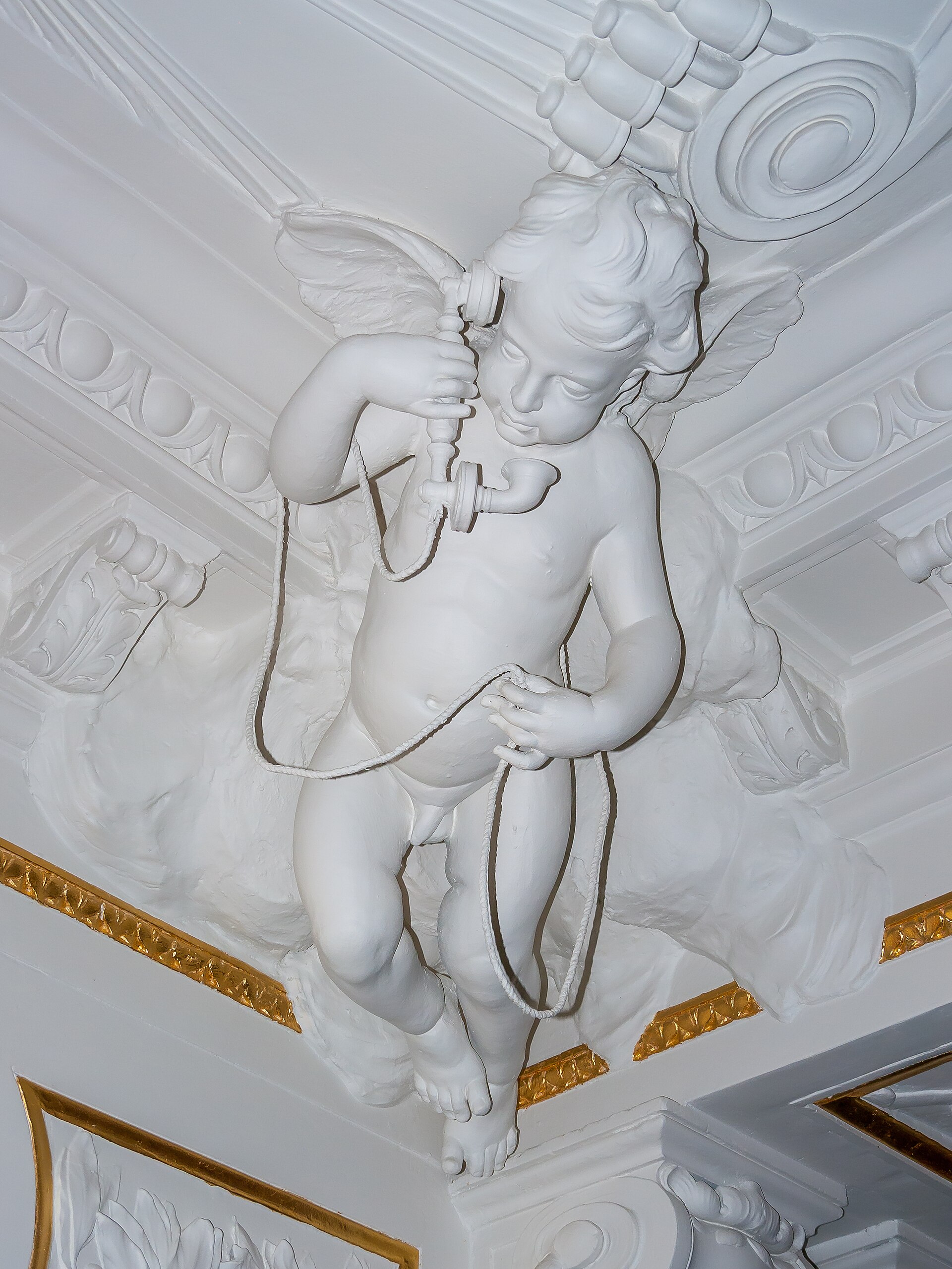
- Telecommunications: the museum absorbed the collections of the former Telemuseum, including material on Swedish telephone manufacturing.
- Invention and design: material connected to Swedish engineers and inventors, including mechanical models associated with Christopher Polhem’s 18th-century “model chamber” of working devices.
- Energy, mining and space: exhibitions on how Sweden generated power, extracted resources and took part in space technology.
The museum’s own collection database and current gallery plan are the most reliable guide to what is on display at any given time, since large technology museums rotate objects and refresh galleries more often than art collections do.
.jpg)
What is Teknorama?
Teknorama is the museum’s dedicated science centre, a set of hands-on exhibits built around physical phenomena — mechanics, electricity, sound, energy — designed for visitors to operate rather than only view. It functions as the family-facing counterpart to the historical galleries, aimed particularly at school groups and younger children experimenting with cause and effect rather than reading object labels.
What is Cosmonova?
Cosmonova is a domed theatre inside the museum combining a large-format cinema screen with a planetarium projector, used for both space and nature documentaries and for star-show presentations. It opened in the early 1990s and remains one of only a handful of venues of its type in the Nordic countries. Screening schedules are set and published by the museum itself, since they change with programming rather than following a fixed pattern.
Is Tekniska Museet a state museum, and does that matter for entry?
It is not. Tekniska Museet operates as an independent foundation supported originally by Swedish engineering societies and industry, distinct from museums such as Nationalmuseum or Moderna Museet that fall under state ownership and have, at various points, offered periods of free general admission as a matter of national museum policy. Tekniska Museet sets and charges its own admission fee, and current prices, discounts and any free-entry windows for particular groups — children under a certain age, for instance — are published on the museum’s own site and worth checking before a visit rather than assumed.
How does it fit with Djurgården’s other museums?
Stockholm’s museum landscape splits loosely into the island of Djurgården — home to the Vasa Museum, Skansen, the ABBA Museum and the Nordiska Museet — and a scatter of institutions on the mainland shore facing it, where Tekniska Museet sits. Visitors planning a single day around the island museums should account for the fact that Tekniska Museet requires a separate journey, not a short walk across a bridge.
For readers building a wider museum itinerary, the Museums & Galleries section maps out how Stockholm’s national collections, private foundations and specialist museums relate to one another, including science-adjacent stops such as the Nobel Prize Museum and family-oriented venues like Junibacken.
What about opening hours, tickets and seasonal patterns?
Opening hours vary by season, with some museums in Stockholm extending hours or adding evening openings around public holidays and school breaks, and reducing them at quieter points in the calendar. Rather than quote a specific timetable here, which shifts year to year, the reliable approach is to treat the museum’s own published hours as the only current source and to check them close to the date of any visit, particularly around Swedish school holidays when family attendance is markedly higher.
Ticket pricing, family and group rates, and any combination tickets covering Cosmonova screenings alongside general admission are likewise set and updated by the museum directly.
Who is Tekniska Museet for?
The permanent galleries suit visitors interested in how Sweden industrialised — its engineering exports, telecommunications history and transport development — while Teknorama and Cosmonova are built for families and school groups wanting interactive science rather than static display cases. Readers assembling a broader view of the city’s museum scene, spanning design, photography and fine art alongside science and industry, can compare it against institutions such as Fotografiska and Moderna Museet in the wider museum guide.
Access Stockholm is an independent guide written from published, checkable sources. We have not visited the places described here and we do not publish personal recommendations or invented ‘local favourites’ — where something is singled out as notable, we say who says so. Opening times, fares, closures and prices change at short notice, so treat everything here as a starting point and confirm with the museum, operator or venue directly before building a day around it. We give no advice on visas, insurance, health or safety; use your own government’s official guidance for those.
Featured image: Photo by Matti Blume, source, CC BY-SA 4.0
.jpg)