An evening in Stockholm is short shopping hours giving way to long dinner hours, a metro and bus network that keeps running well past midnight, and a light level that shifts the whole character of the city depending on the month. Shops close by early evening; restaurants and bars keep going much later; how dark it actually gets depends entirely on the time of year.
When does the city’s rhythm actually change in the evening?
Most retail closes between 6pm and 8pm, which is earlier than many visitors expect from a capital city. Once shops shut, the streets around Drottninggatan and the main shopping districts empty of daytime foot traffic fairly quickly, and the activity that remains concentrates into restaurants, bars and cultural venues rather than staying spread across the street.
This isn’t a sign of the city “shutting down” — it’s a structural pattern common across Sweden, where working hours, retail hours and family schedules are tightly aligned. The typical opening hours across Stockholm reflect this: predictable, front-loaded into the day, with evening activity handled by a separate set of venues rather than by shops staying open late.
How do museums and cultural venues handle evening hours?
A handful of major museums extend hours on specific weekday evenings, sometimes with reduced or free admission during that window — this is a genuine and recurring pattern across several state and city-run institutions, though which museum, which evening, and what the current admission terms are should always be checked on the museum’s own site before planning around it.
Outside those extended slots, most museums close in the late afternoon, in line with the wider closing pattern. The Museums & Galleries archive covers individual collections in detail, including which institutions are known for evening openings.
What happens to public transport after dark?
Stockholm’s metro, buses, and commuter trains operate on their normal zone-and-card system into the night, with core metro lines running late and some lines shifting to a reduced night-bus network in the small hours rather than stopping entirely. The fare structure doesn’t change after dark — the same travel card and zone-based fare system that applies during the day applies in the evening.
For anyone without a travel card, or travelling later than the regular network runs, taxis are a standard option, and Sweden’s taxi market works differently from many countries: prices aren’t centrally regulated, so operators are required to display an estimated fare before the journey starts. How that pricing actually functions is explained in the piece on how taxis work in Stockholm and why the price window matters.
What does eating out in the evening actually involve?
Dinner in Stockholm tends to run earlier than in much of southern Europe — many kitchens take their last orders by 9 or 10pm rather than midnight — though this varies by venue and by district, and later options exist, particularly around denser restaurant streets in Södermalm and Norrmalm. Sweden also has a fixed, non-negotiable approach to alcohol retail that shapes the evening in a way visitors often don’t expect: wine, beer above a certain strength, and spirits for home consumption are sold only through Systembolaget, the state-owned retail monopoly, which keeps far shorter hours than restaurants and bars and is closed on Sundays. What that means in practice, and why the system exists at all, is set out in the article on Systembolaget and why it exists.
Tipping in restaurants and bars is also handled differently from many countries — service is generally included in menu pricing, and any additional tip is discretionary rather than expected at a fixed percentage. The mechanics of this are covered in the guide to how tipping actually works in Sweden.
.jpg)
How does the season change what an evening looks like?
This is arguably the single biggest variable in how an evening in Stockholm feels, because Stockholm’s latitude produces an extreme swing in daylight across the year. In December, darkness falls in mid-afternoon and “evening” effectively starts before most people have left work; in June, daylight lingers past 10pm and the sky never gets fully dark around midsummer. The article on what the light actually does through a Stockholm year lays out the mechanics of this shift month by month.
In winter, this compresses evening activity into a narrower, more indoor pattern — museums with evening hours, restaurants, and warmly lit public spaces like Kungsträdgården or the Christmas markets around Gamla Stan take on more weight because outdoor daylight hours are so short. The practicalities of that season specifically are covered in planning a Stockholm day in December’s four hours of light. In summer, the reverse happens: outdoor evening activity — waterside walks, parks, the archipelago boats running later into the evening — becomes viable well past what would be “night” anywhere further south.
Does the city empty out or stay busy at night?
It depends heavily on district and day of week rather than the city as a whole. Central shopping streets quiet down once retail closes, but nightlife districts — parts of Södermalm, Östermalm and central Norrmalm in particular — sustain bar and restaurant activity well into the night on Thursdays through Saturdays, less so on weeknights. This is a pattern common to many European capitals: weekday evenings are calmer and more dinner-focused, weekend evenings extend later and involve more bars and later-running transport.
Public squares and waterfront paths remain accessible at all hours — Sweden’s right of public access, allemansrätten, doesn’t specifically govern city streets, but the general norm of open, walkable public space applies across most of central Stockholm regardless of the hour.
How does an evening differ for a resident compared with a visitor?
For a resident, the evening is largely dictated by the ordinary rhythms of Swedish daily life: an early dinner relative to southern Europe, a Systembolaget run finished before closing rather than after, and a transport card that works the same at 11pm as it does at 11am. Evenings out with friends tend to be planned around those fixed retail hours rather than around them being flexible.
For a visitor, the practical adjustment is mostly about expectation: shops close earlier than in many cities, alcohol for takeaway isn’t available from a supermarket after a certain hour or on Sundays, and the liveliest evening activity is concentrated in specific streets and districts rather than spread evenly across the centre. The Living in Stockholm hub covers these daily-life patterns in more depth, while the practical planning hub covers the transport, timing and logistics side of putting an evening together, whatever time of year it falls in.
Access Stockholm is an independent guide written from published, checkable sources. We have not visited the places described here and we do not publish personal recommendations or invented ‘local favourites’ — where something is singled out as notable, we say who says so. Opening times, fares, closures and prices change at short notice, so treat everything here as a starting point and confirm with the museum, operator or venue directly before building a day around it. We give no advice on visas, insurance, health or safety; use your own government’s official guidance for those.
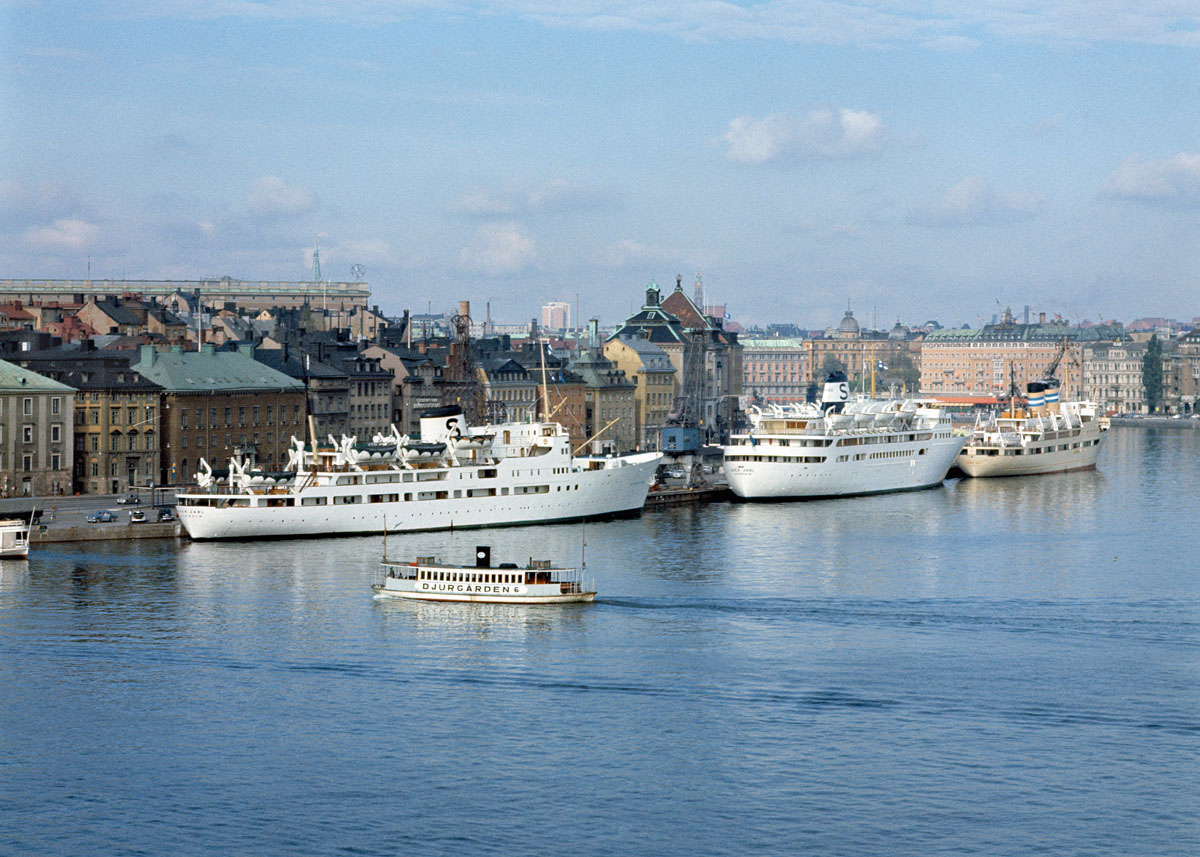
Featured image: Photo by Holger.Ellgaard, source, BY-SA