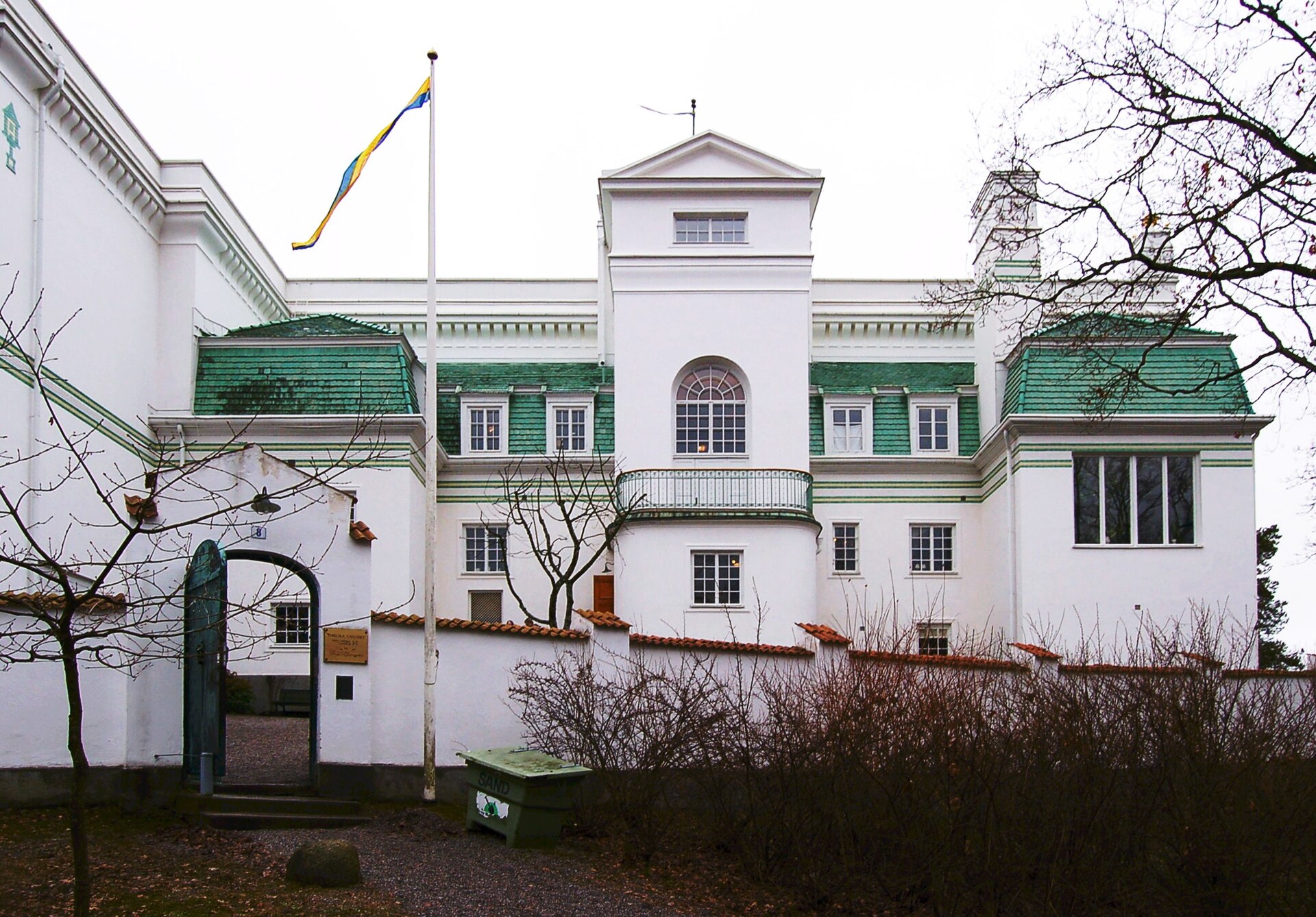
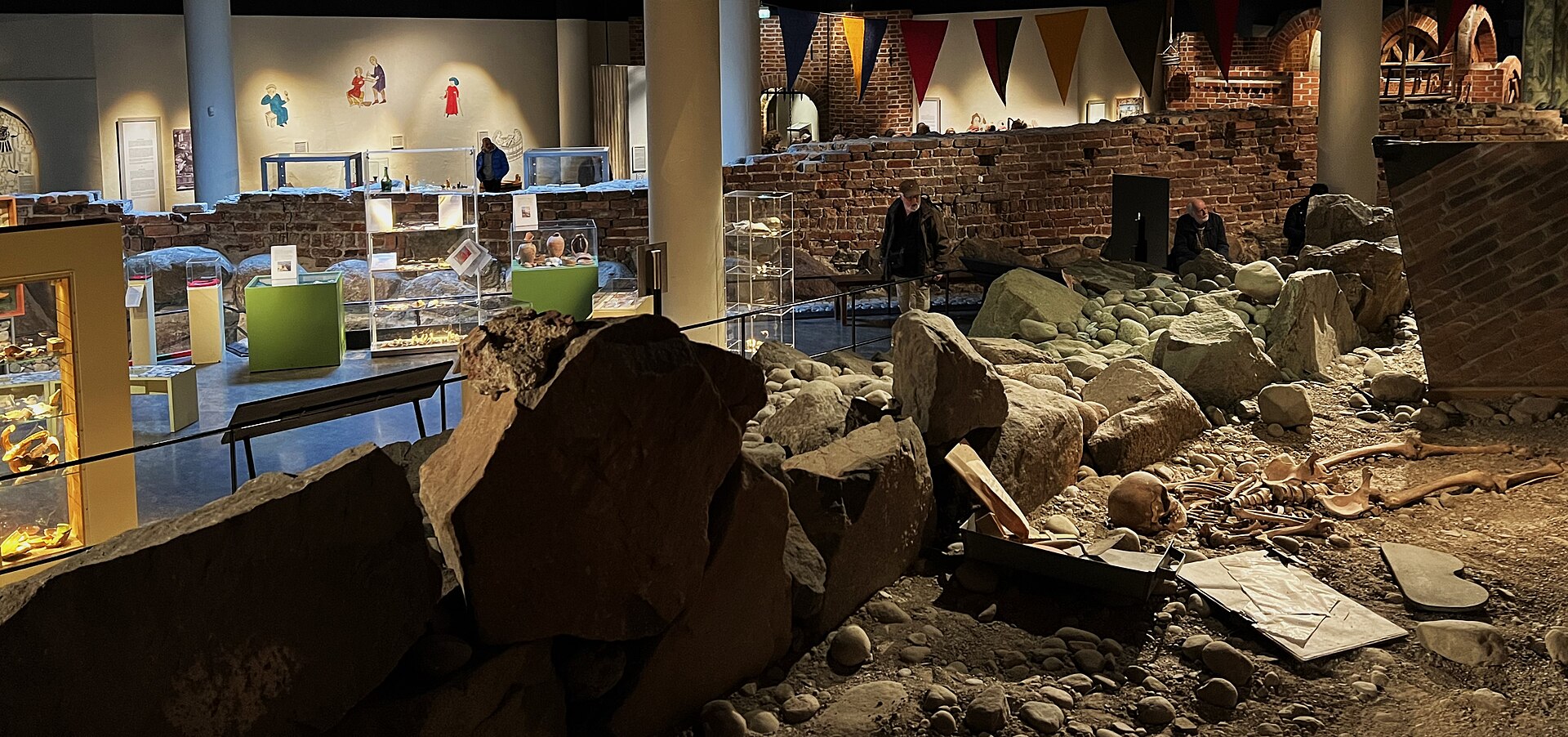
What Is the Historiska Museet, and What Is the Gold Room?
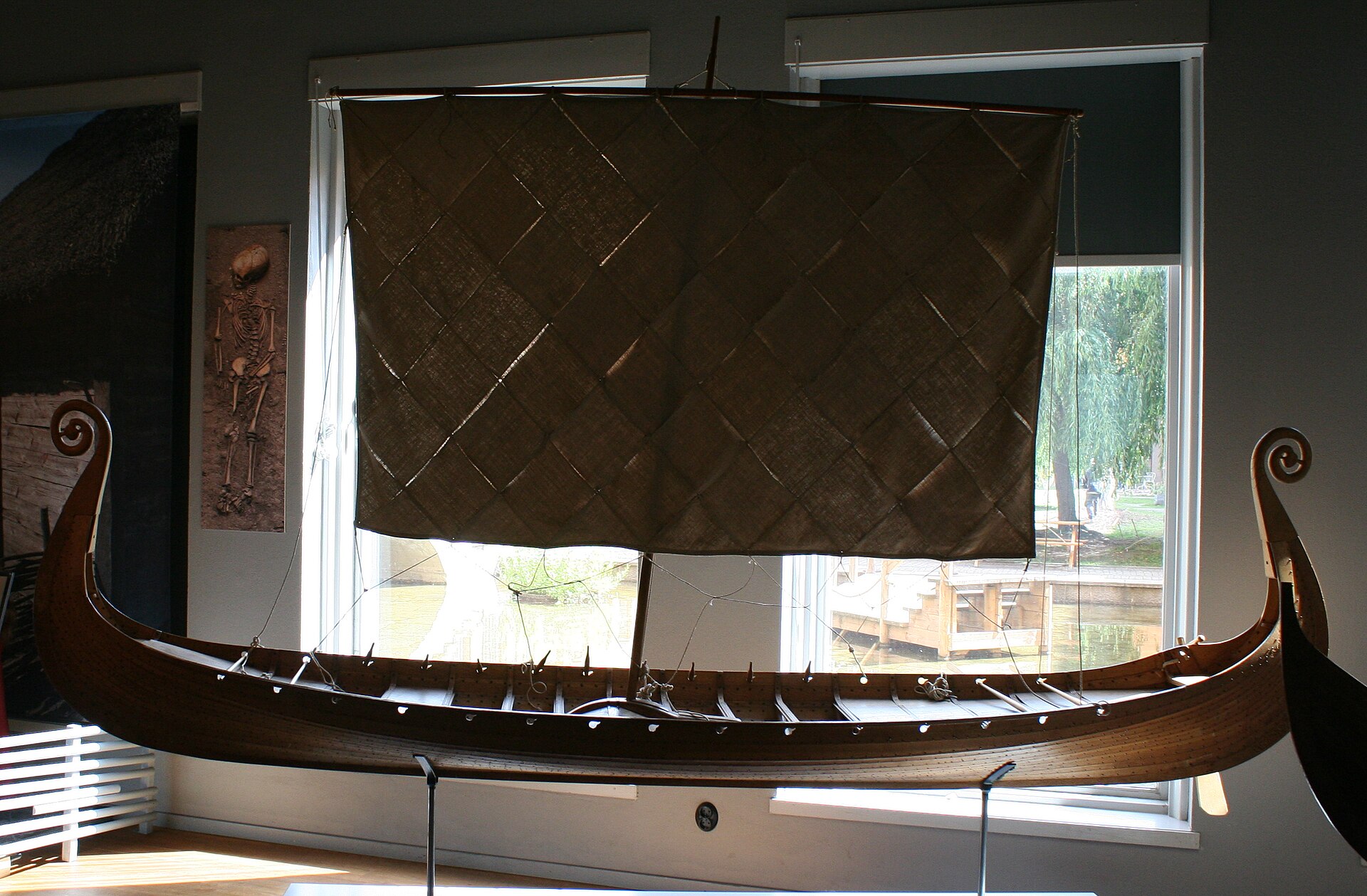
Statens historiska museum in Stockholm

The Historiska Museet — the Swedish History Museum — is the national museum of Swedish archaeology and history, holding artefacts from the Stone Age through the Viking Age and into the Middle Ages. The Gold Room, or Guldrummet, is its underground vault, a purpose-built strongroom that displays the museum’s collection of prehistoric and medieval gold … Read more
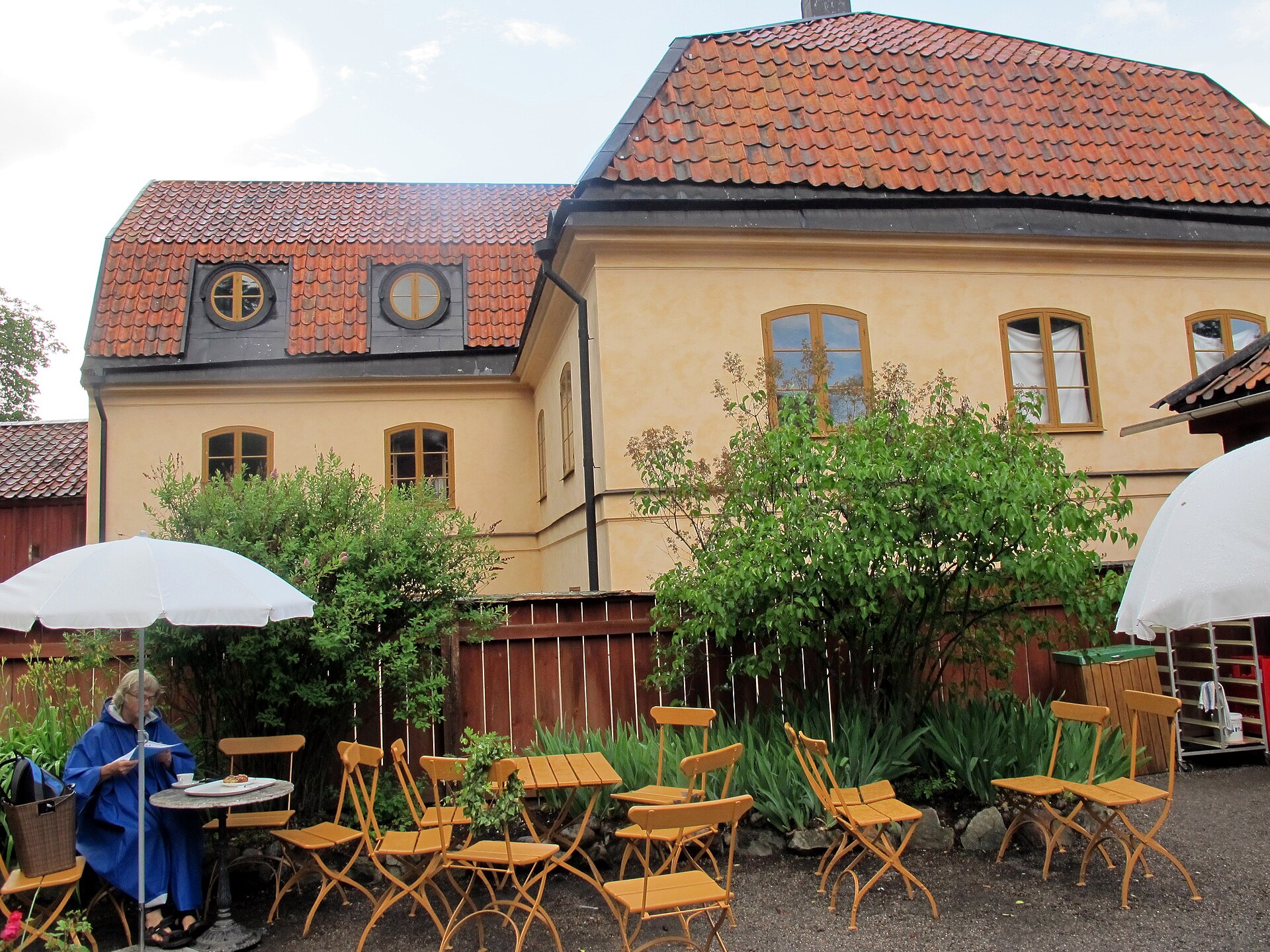
Why Are So Many of Stockholm’s Museums on Djurgården?

Buildings at Skansen, the open-air museum on Djurgården in Stockholm

Djurgården’s museums are concentrated there because the island has been royal crown land for centuries, protected from private development and later designated a national city park. That legal status kept the land open, which made it the obvious site for the large open-air and exhibition institutions Stockholm built from the 1890s onward — and the … Read more

How Do Sweden’s Free-Entry Museum Policies Work?

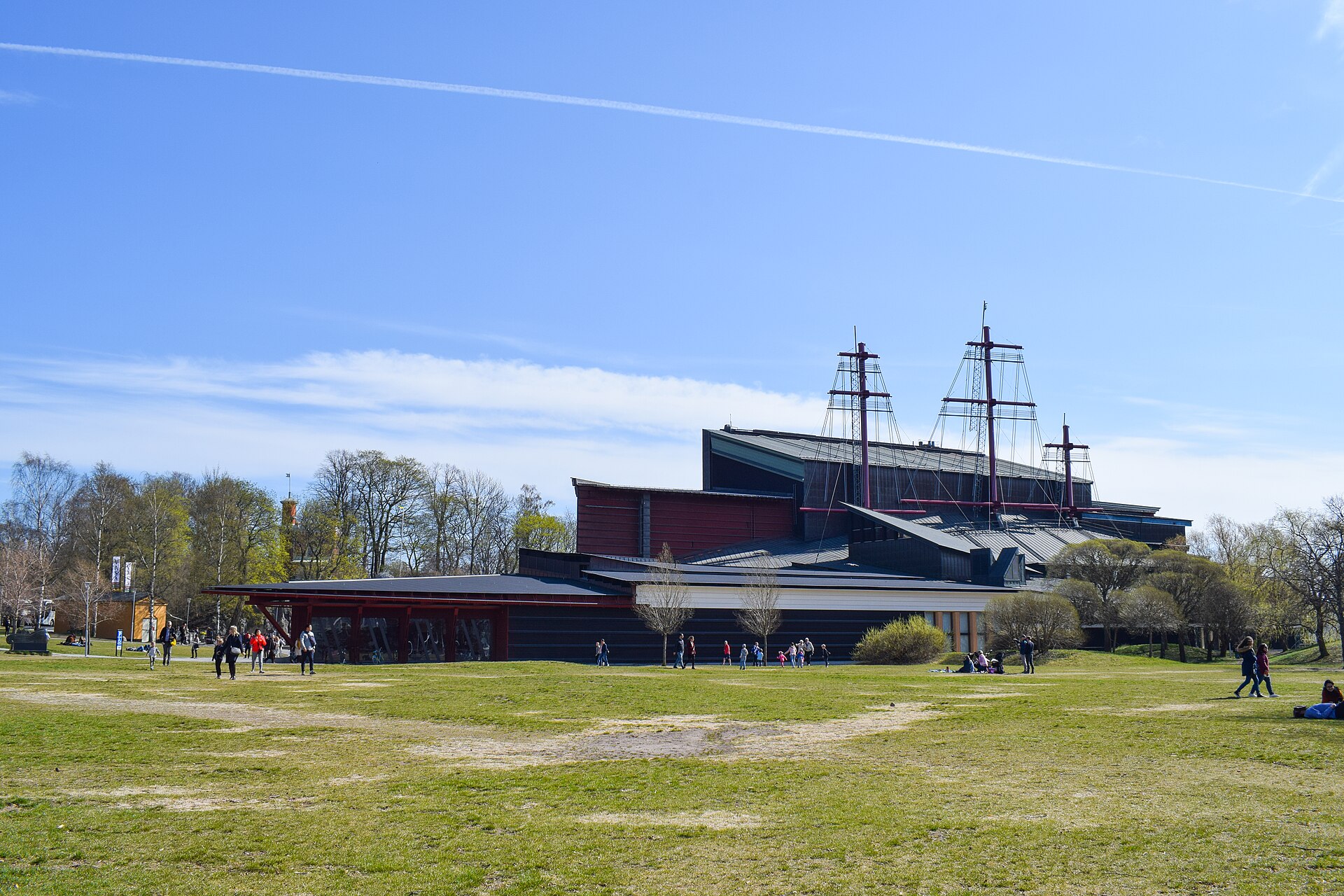
The Vasa Museum in Stockholm, photographed in April 2019

Sweden’s free-entry policy applies to a specific group of state-run “central museums” (centralmuseer), funded through the national culture budget rather than ticket sales. Since 2016 the government has periodically waived admission to their permanent collections, though the rule has been narrowed and widened more than once. Private and foundation-run museums are never part of it, … Read more

What Is Tekniska Museet? Stockholm’s Science Museum

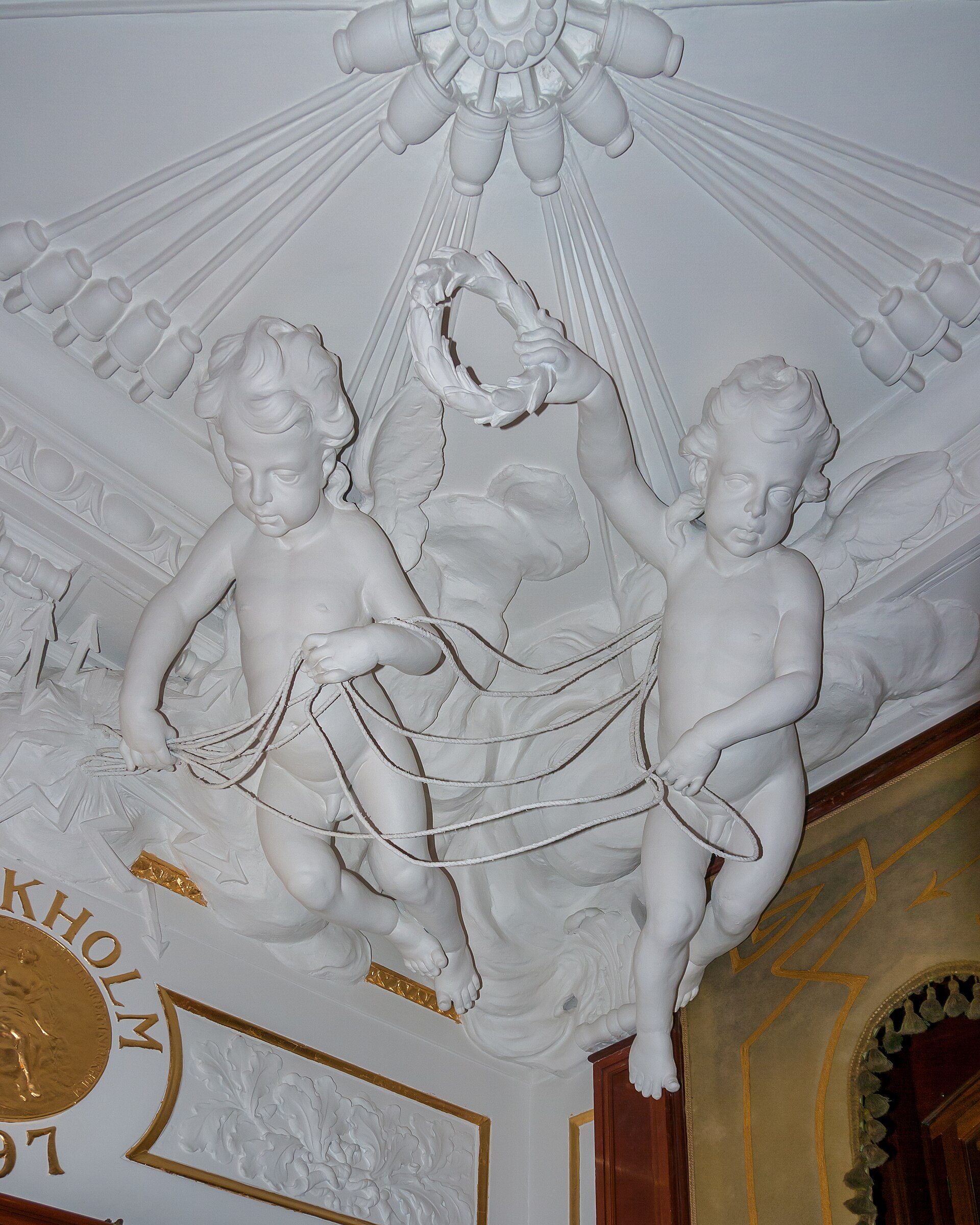
Putti on display in the Tekniska museet, Stockholm

What is Tekniska Museet? Tekniska Museet is Sweden’s national museum of technology and industry, standing on Norra Djurgården in Stockholm since 1936. It holds tens of thousands of objects covering engineering, transport, communication and invention, alongside a hands-on science centre for children and a domed cinema-planetarium called Cosmonova. It is run as an independent foundation, … Read more

What Is Junibacken, and Who Is It For? Stockholm Guide

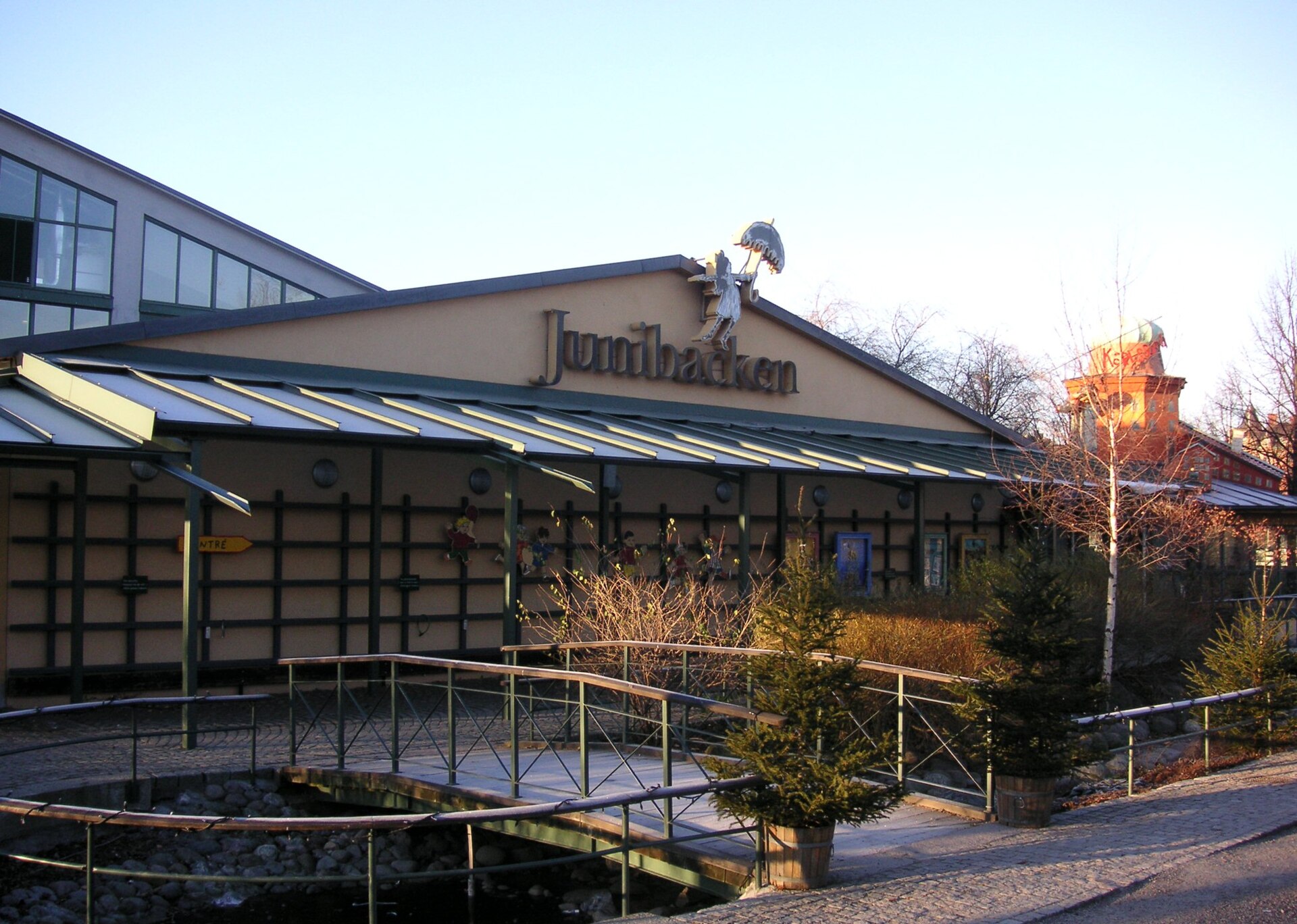
Entrance to Junibacken in Stockholm

Junibacken is a children’s cultural centre on the island of Djurgården in Stockholm, built around the world of Swedish author Astrid Lindgren — creator of Pippi Longstocking, Emil of Lönneberga and Karlsson-on-the-Roof. It combines a narrated train ride through scenes from her books, a full-size reconstruction of Pippi’s house, a stage for children’s theatre, and … Read more

What Is the Spritmuseum? Stockholm’s Drinks Museum

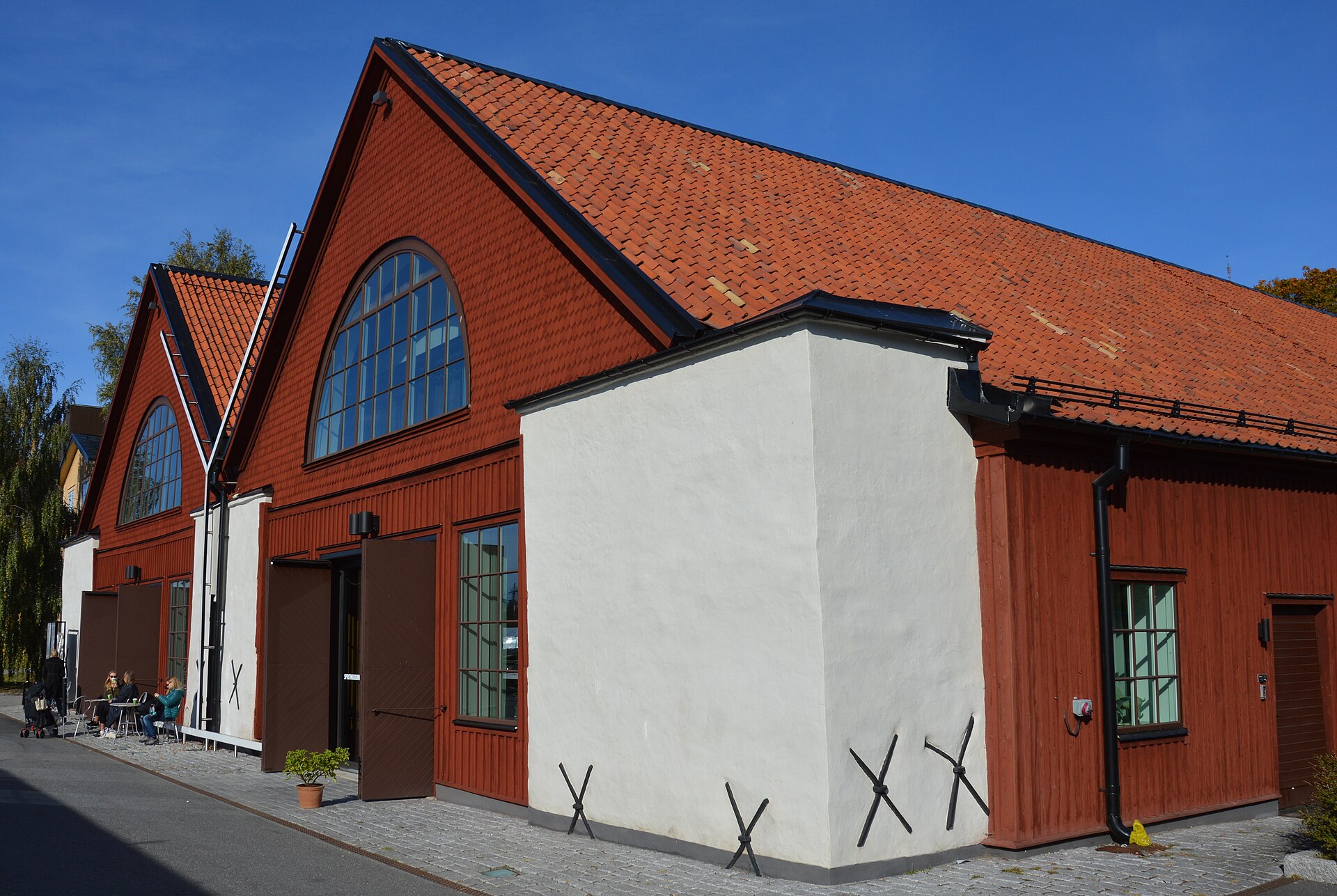
Another view of the Spritmuseum in Stockholm

What is the Spritmuseum? Spritmuseum — the “Museum of Spirits” — is Stockholm’s museum of alcohol and drinking culture, on the island of Djurgården. It covers how Sweden has made, sold, taxed, rationed and drunk alcohol over the past few centuries, and it houses the Absolut Art Collection, works commissioned by the vodka brand Absolut … Read more

What Is Prins Eugens Waldemarsudde? Stockholm Explained

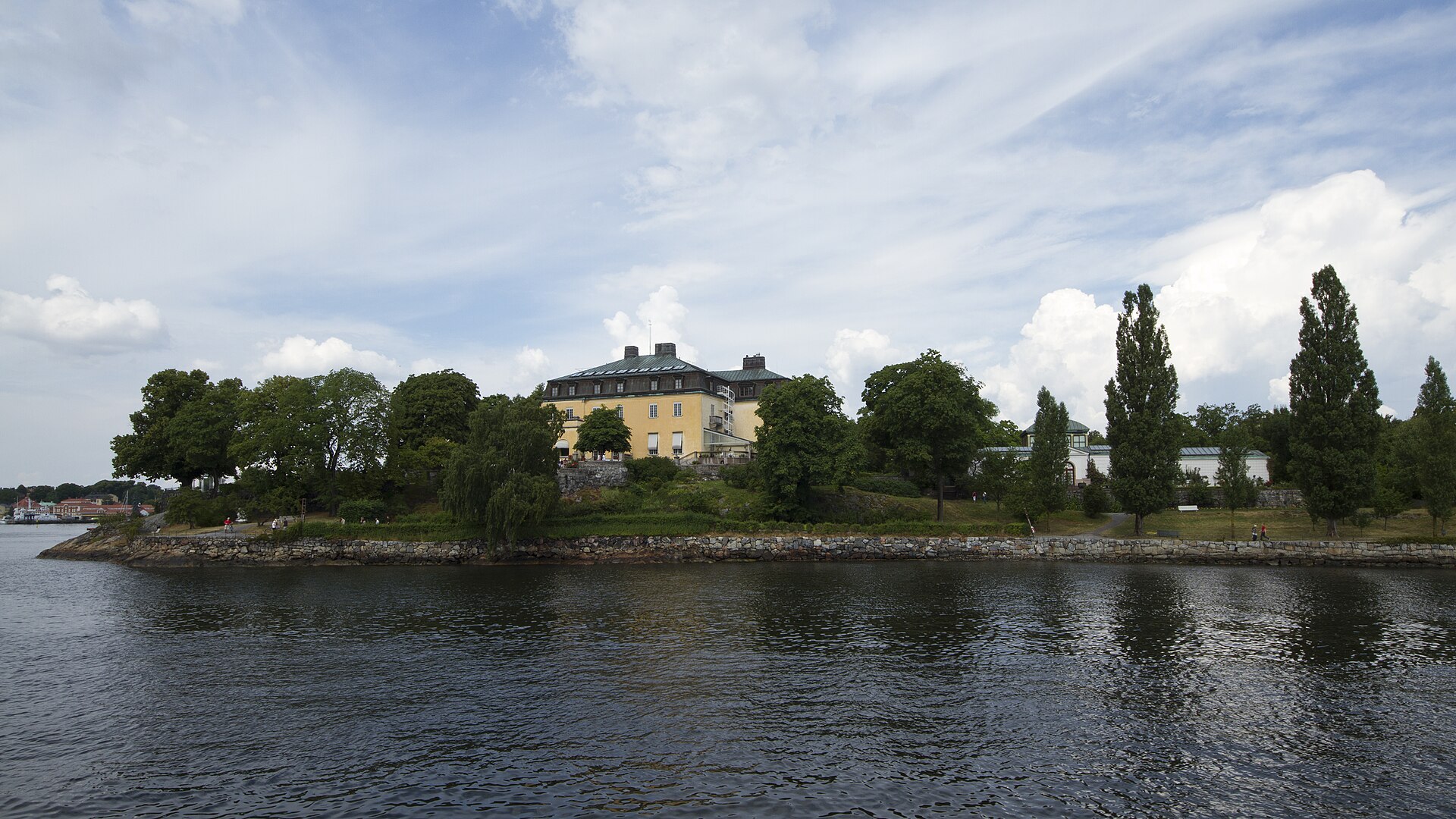
Prins Eugens Waldemarsudde on Djurgården in Stockholm

Prins Eugens Waldemarsudde is a former private residence on the Djurgården peninsula in Stockholm, built for Prince Eugen (1865–1947), a member of the Swedish royal family and a working landscape painter. On his death he left the entire estate — house, gallery, park and collection — to the Swedish state, with the condition that it … Read more

What Is Thielska Galleriet? Stockholm’s Art Villa Explained

Thielska Galleriet in Stockholm seen from the entrance side

What is Thielska Galleriet? Thielska Galleriet is an art museum on the island of Djurgården in Stockholm, housed in a private villa built between 1905 and 1907 for the banker Ernest Thiel. It holds his collection of late-19th and early-20th-century Nordic art, including works by Edvard Munch, Anders Zorn, Carl Larsson, Eugène Jansson and Bruno … Read more

What Is the Medeltidsmuseet, and What’s Under the City?

Helgeand House churchyard at the Medeltidsmuseet, with Stockholm's city wall in the background

Medeltidsmuseet — the Museum of Medieval Stockholm — is a museum built directly around archaeological remains uncovered beneath the city centre in the late 1970s. It sits underground, beneath the bridge Norrbro, between Gustav Adolfs Torg and the Riksdag (the Swedish parliament building). Rather than removing what was found, the city built the museum in … Read more

About what you read here. Access Stockholm is an independent guide written from published, checkable sources — museum and transport operators’ own information, official city and tourism data, and the public record. We have not visited the places we write about, and we do not publish personal recommendations or invented “local favourites”. Where we point to something notable we say who says so.

Opening times, fares, closures and prices change, often at short notice. Everything here is a starting point, not a booking confirmation — always check the venue’s or operator’s own site before you build a day around it. We are not a travel agency and we give no advice on visas, insurance, health or safety requirements; for those, use your own government’s official guidance.

We do not book anything. Access Stockholm is a guide. It sells nothing, takes no bookings or reservations, handles no payments, and holds no tickets, rooms or seats. Some links here lead to travel companies, and some of those are affiliate links that may earn this site a commission at no extra cost to you. Any booking you make is a contract between you and that company, under its own terms, prices and cancellation rules. We are not a party to it and have no responsibility for it — including availability, prices, changes, cancellations, refunds or anything that goes wrong on the trip. Check the details with the company before you pay.