What Is Slussen, and Why Has It Been Rebuilt?

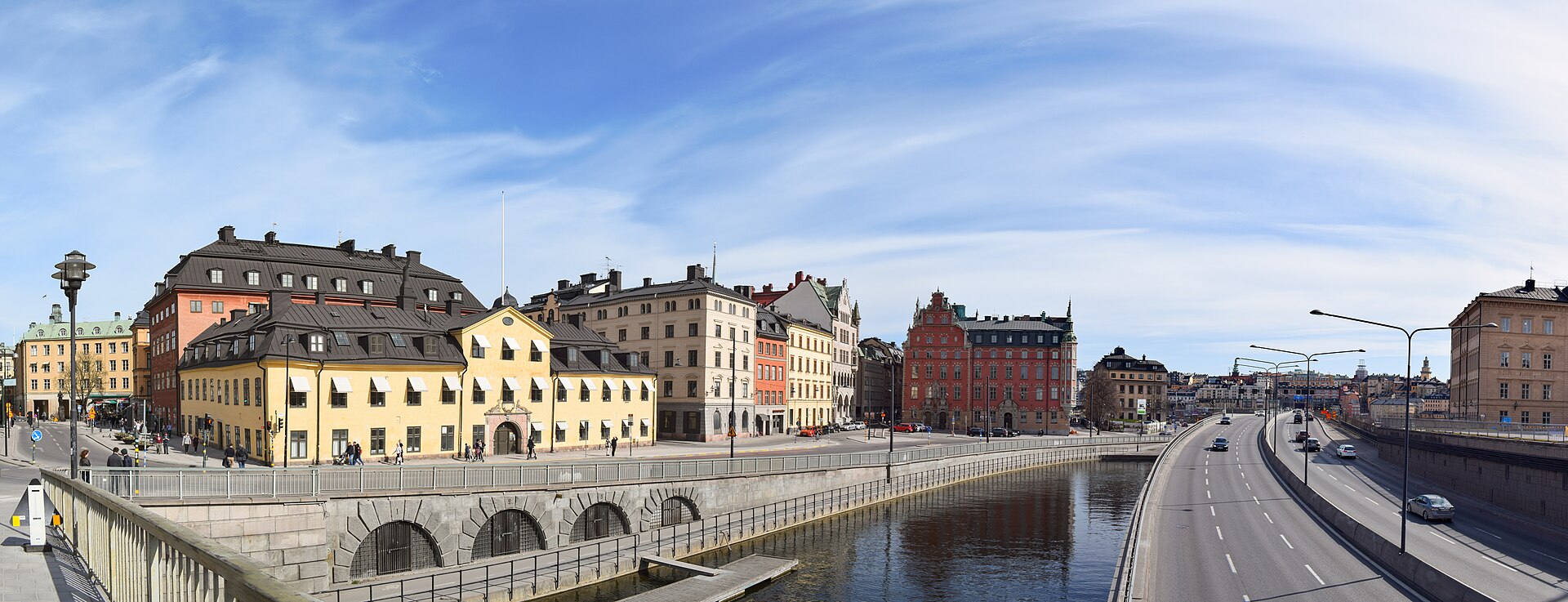
Slussen Stockholm 4493 (30602809280).jpg — illustrating What Is Slussen, and Why Has It Been Rebuilt?

Slussen is the point in central Stockholm where Lake Mälaren meets the Baltic inlet Saltsjön, and where a system of locks manages the difference in water level between them. It sits between Gamla Stan and Södermalm, doubling as one of the city’s busiest transport interchanges. It has been rebuilt because the mid-20th-century structure holding all … Read more

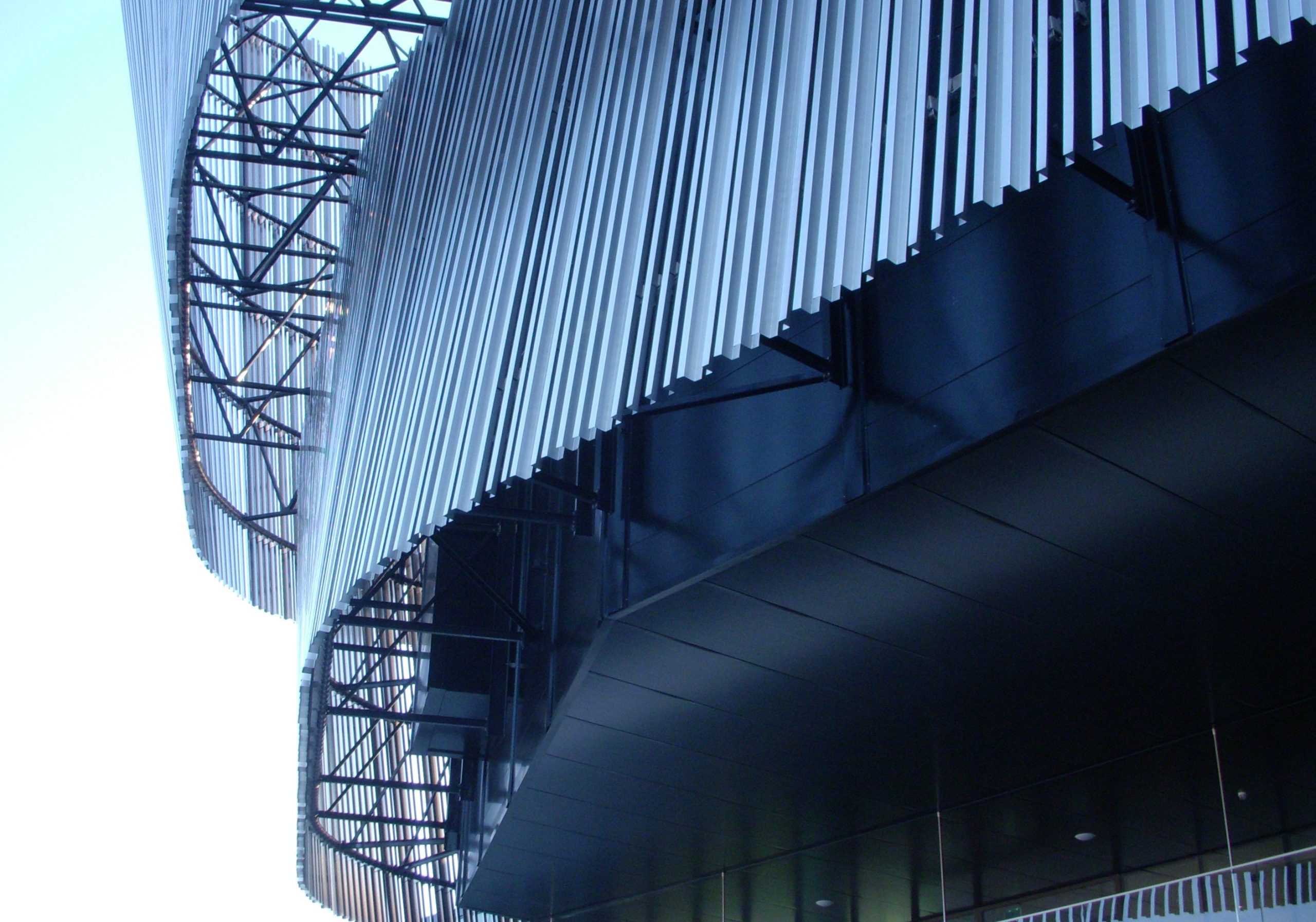
What Is the Avicii Arena, and What Was It Called Before?

Avicii arena in the morning.jpg — illustrating What Is the Avicii Arena, and What Was It Called Before?

The Avicii Arena is a large spherical indoor arena in southern Stockholm, used for concerts, ice hockey, handball and televised events such as Melodifestivalen. It opened in 1989 under the name Stockholm Globe Arena, was known for decades as Ericsson Globe under a sponsorship deal, and was renamed Avicii Arena in 2021 in honour of … Read more

What Is Sergels Torg, and Why Does It Look Like That?

00 5332 Stockholm (Schweden) - Sergels torg.jpg — illustrating What Is Sergels Torg, and Why Does It Look Like That?

Sergels Torg is the square at the centre of modern Stockholm, in the Norrmalm district: a sunken, triangle-paved pedestrian plaza set below a traffic roundabout, marked by a tall glass obelisk. It looks the way it does because it was built from scratch in the 1960s and 70s, after the city demolished the older district … Read more

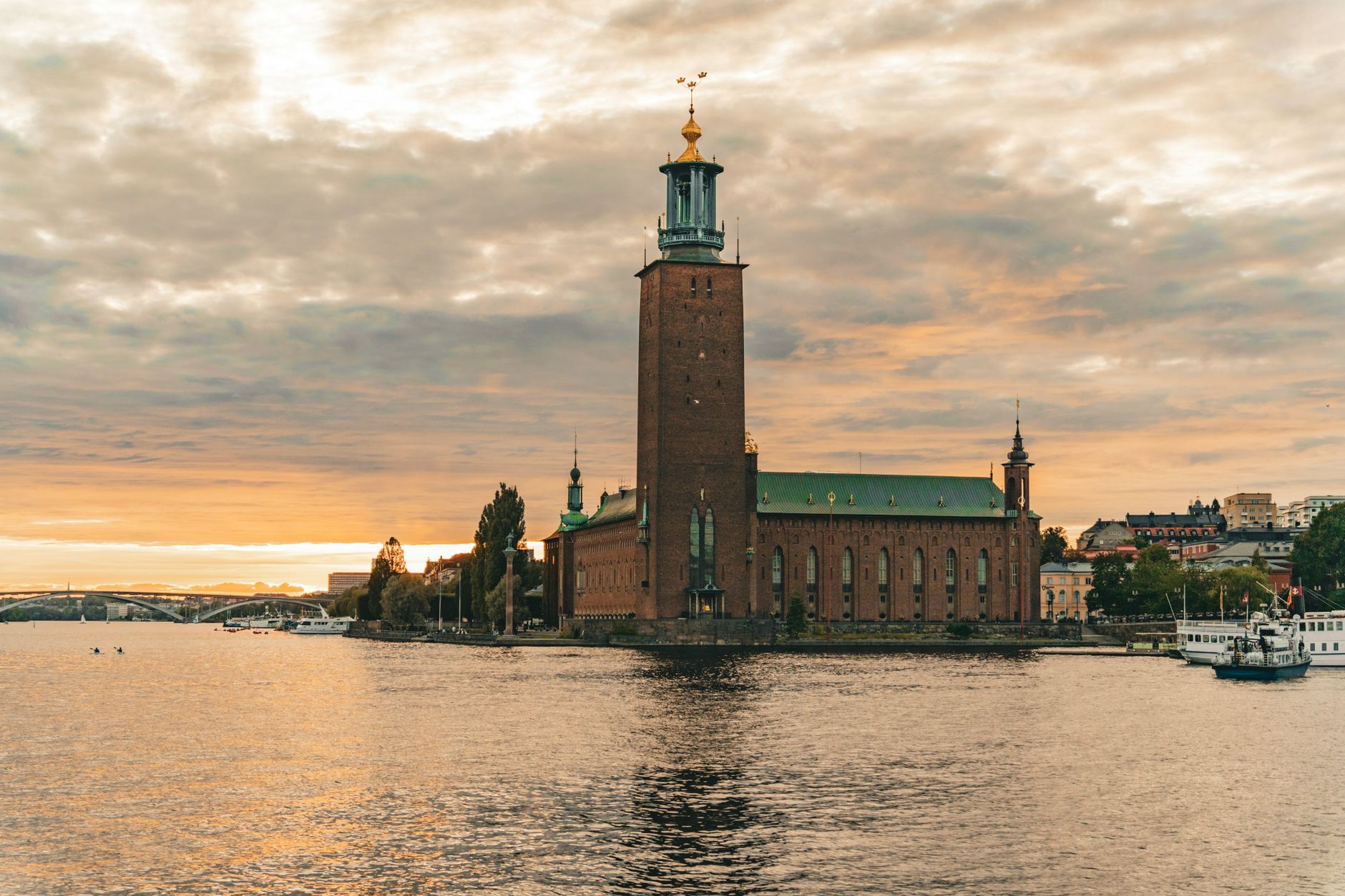
What Is Stockholm City Hall, and What Happens There?

Stockholm City Hall Stadshuset October 2015 2.JPG — illustrating What Is Stockholm City Hall, and What Happens There?

Stockholm City Hall — Stadshuset in Swedish — is the building where Stockholm’s municipal council and administration are based. It is a working seat of local government, not a royal or national building, and it is also where the Nobel Prize banquet is held each December. Parts of it can be visited on guided tours. … Read more

What Is Riddarholmen, and Why Are Kings Buried There?

Riddarholmen, Stockholm (P1090581).jpg — illustrating What Is Riddarholmen, and Why Are Kings Buried There?

Riddarholmen is a small island immediately west of Gamla Stan, joined to it by a short bridge. Its central building, Riddarholmskyrkan, is a former monastery church that became the burial place of Swedish monarchs from the seventeenth century onward, chosen because an earlier king was already buried there and successors followed the precedent for more … Read more

What Is Storkyrkan, and What Is Inside It?

0 2054 Storkyrkan, Stockholm.jpg — illustrating What Is Storkyrkan, and What Is Inside It?

What is Storkyrkan? Storkyrkan is Stockholm’s oldest church, standing in Gamla Stan next to the Royal Palace. Formally named Sankt Nikolai kyrka, it has been the city’s cathedral (domkyrka) since 1942 and remains an active parish church of the Church of Sweden, used for royal weddings, christenings and state services as well as ordinary worship. … Read more

What Is Stortorget, and What Happened There?

00 2655 Karlskrona (Sweden). - Stortorget.jpg — illustrating What Is Stortorget, and What Happened There?

Stortorget is Stockholm’s oldest public square, sitting at the highest point of Gamla Stan, the medieval island that forms the historic core of the city. It was the site of the town’s original marketplace and, in 1520, of a mass execution known as the Stockholm Bloodbath. Today it holds the former Stock Exchange building, now … Read more

What Is Gamla Stan, and How Old Is It? Stockholm’s Old Town

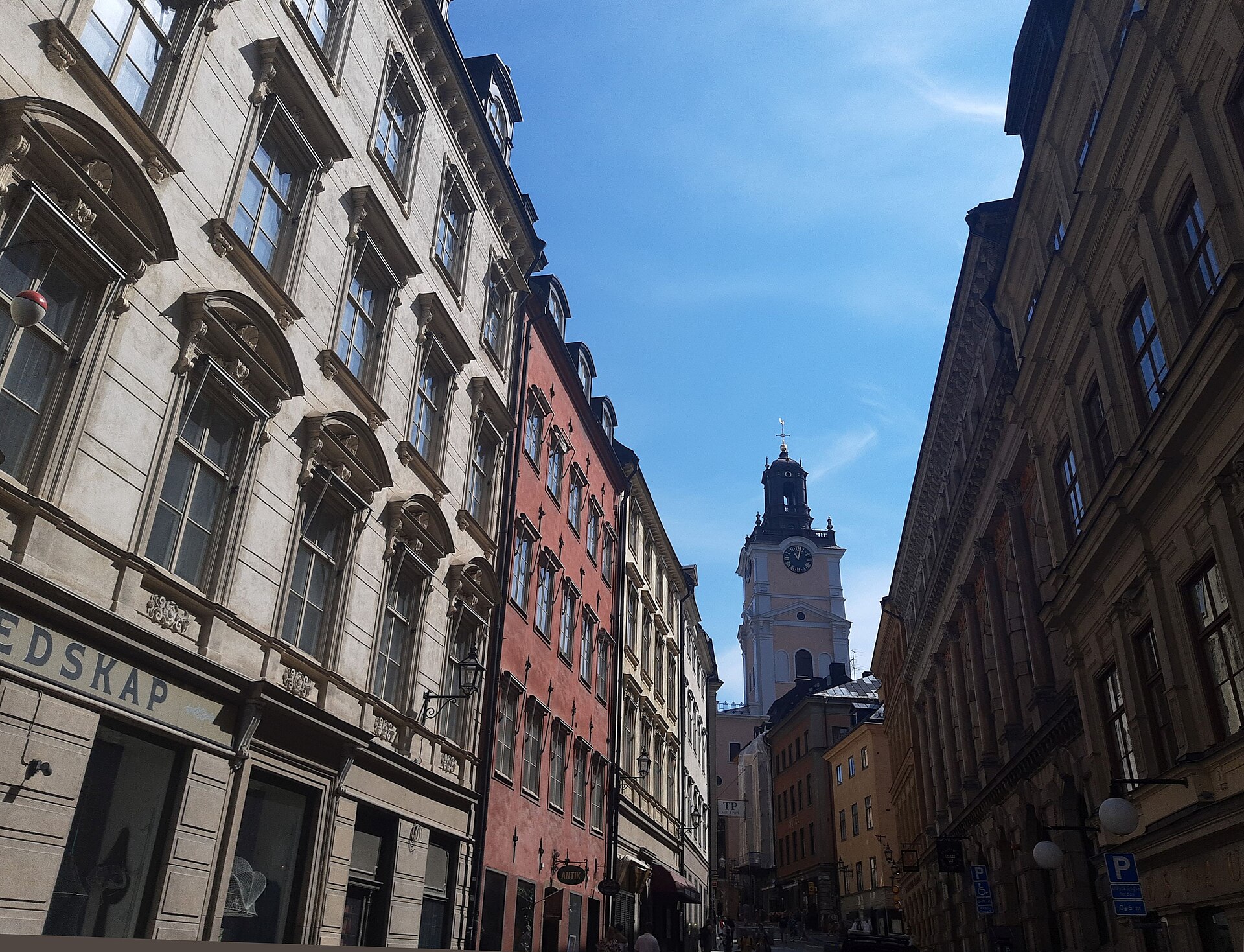
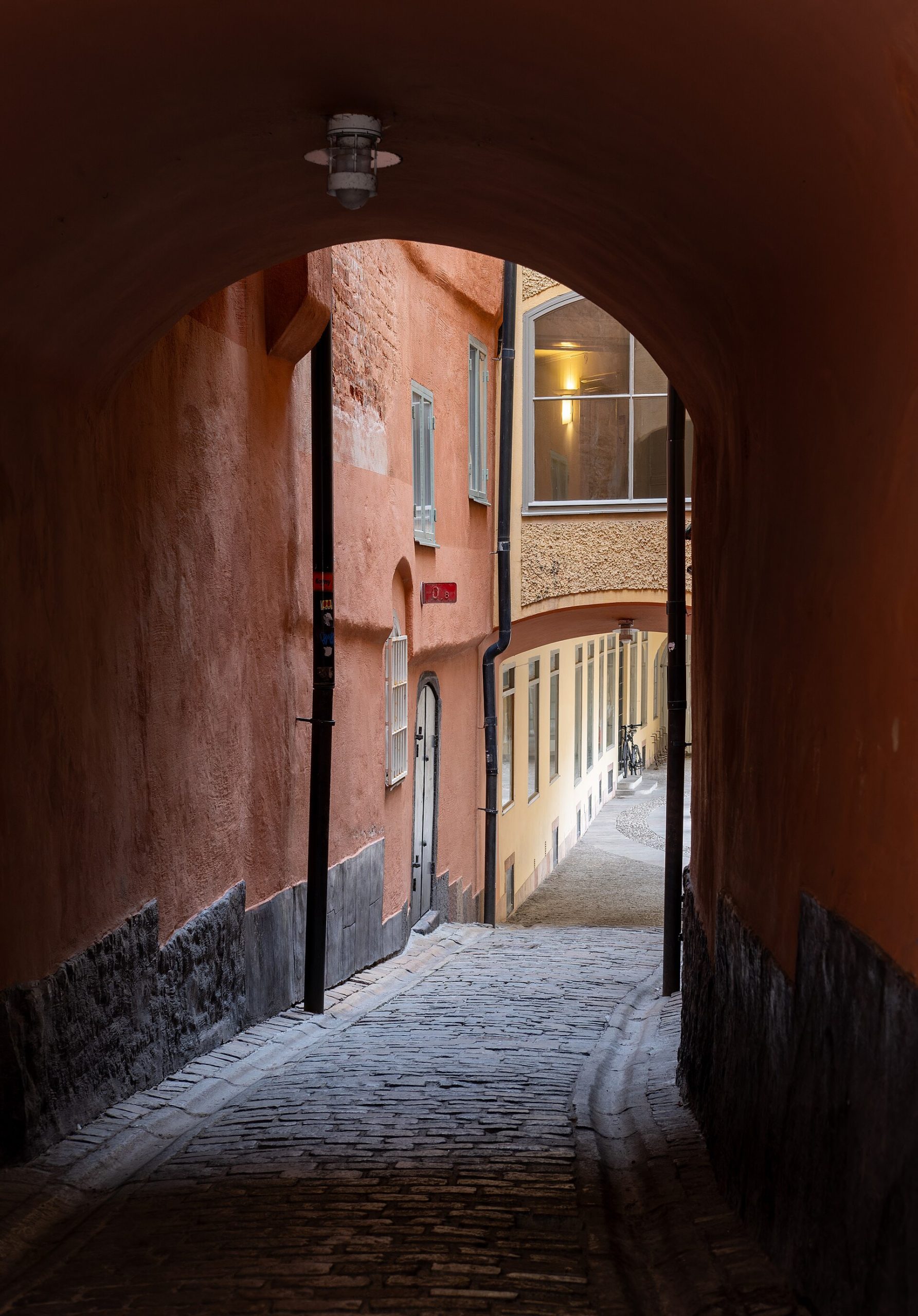
Alley in Gamla Stan, Stockholm.jpg — illustrating What Is Gamla Stan, and How Old Is It? Stockholm’s Old Town

Gamla Stan is Stockholm’s old town — the small island where the city was founded, built up with narrow streets and merchant houses from the medieval and early-modern periods. The City of Stockholm dates the settlement here to around 1252, making Gamla Stan roughly 770 years old as a continuously inhabited urban core. Where is … Read more

About what you read here. Access Stockholm is an independent guide written from published, checkable sources — museum and transport operators’ own information, official city and tourism data, and the public record. We have not visited the places we write about, and we do not publish personal recommendations or invented “local favourites”. Where we point to something notable we say who says so.

Opening times, fares, closures and prices change, often at short notice. Everything here is a starting point, not a booking confirmation — always check the venue’s or operator’s own site before you build a day around it. We are not a travel agency and we give no advice on visas, insurance, health or safety requirements; for those, use your own government’s official guidance.