What Is Allemansrätten, Sweden’s Right of Public Access?

An island shoreline in the Stockholm archipelago

Allemansrätten — literally “everyone’s right” — is a long-standing principle in Swedish law that allows people to walk, cycle, swim, pick berries and camp briefly on most land, including much privately owned land, without asking permission. It comes with clear limits: no damage, no disturbance, and no going near a private home. What does allemansrätten … Read more

How Much Swedish Do You Need in Stockholm?

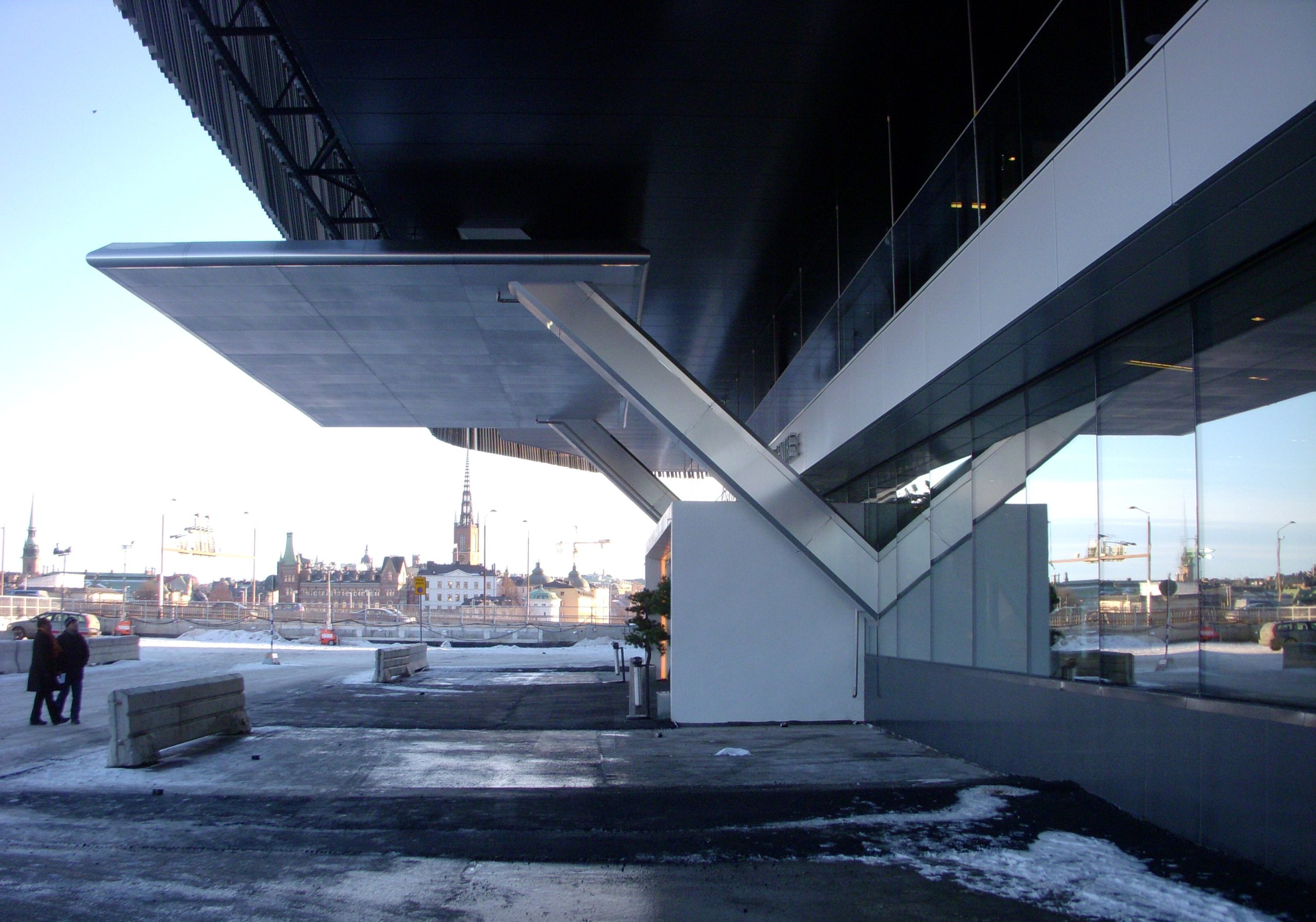
The Stockholm Waterfront building

Almost none, for a visit. English is spoken fluently by the large majority of people working in shops, restaurants, museums, hotels and transport, and it is standard on signage, menus and official announcements. A short list of Swedish words — mostly nouns on doors and platforms — is genuinely useful, but nobody needs a phrasebook … Read more

What Is Fika, and Is It Really a Fixed Thing?

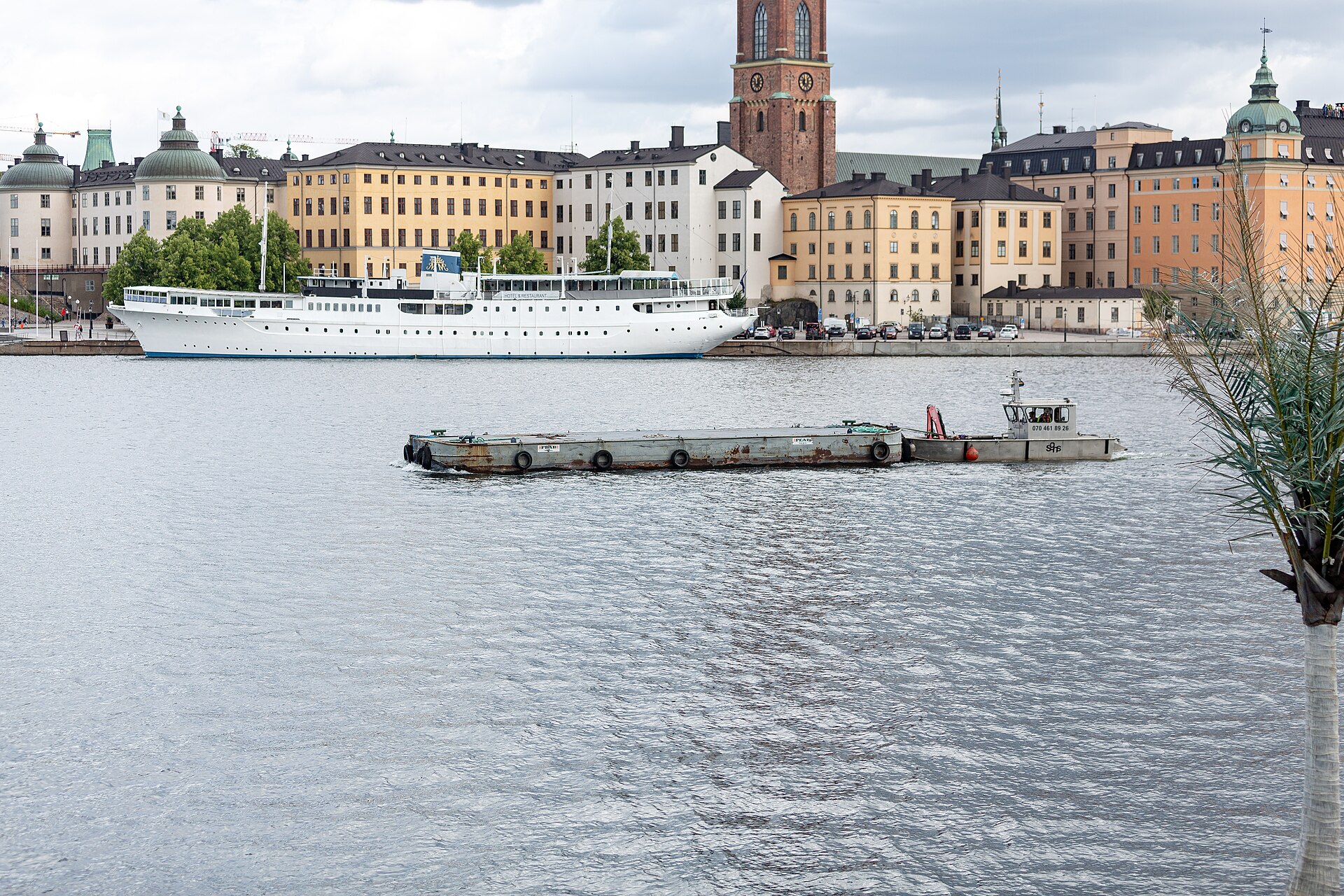
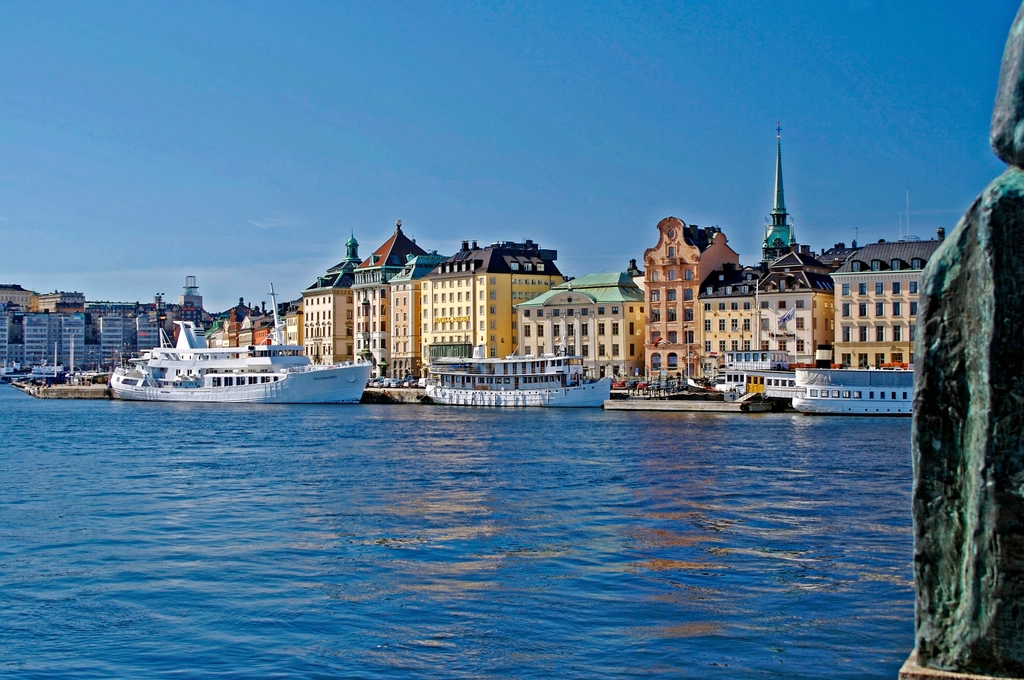
View from Söder Mälarstrand across Riddarfjärden towards Riddarholmen with the hotel ship Mälardrottningen

Fika is a coffee break, usually with something baked alongside it, taken as a deliberate pause rather than a quick refuel. The word works as both noun and verb — “fika” is the break, “to fika” is doing it. There is no official rulebook: no fixed time, no required pastry, no mandated length. It is … Read more

Which Public Holidays Close Things in Stockholm?

Reimersholme in Stockholm, Sweden

Most of Stockholm keeps functioning on an ordinary “röd dag” (red day, the Swedish term for a public holiday) — trains and buses run, many museums stay open, restaurants trade as usual. The exceptions are a handful of specific dates: Midsummer’s Eve, Christmas Eve through Boxing Day, and New Year’s Eve close shops, banks and … Read more

What Are Typical Opening Hours in Stockholm?

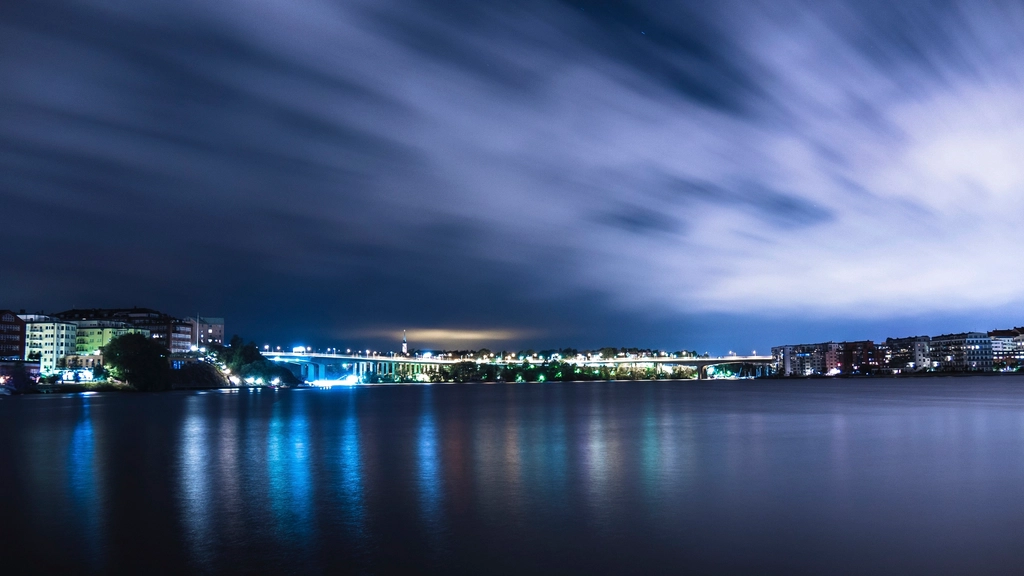
A view across Stockholm, Sweden

There is no single national rule, but a pattern holds across most of the city: shops generally run from around 10:00 to 18:00 or 19:00 on weekdays, with shorter hours or closure on Sundays outside the centre; museums typically open from 10:00 or 11:00 and close one weekday, most often Monday; and restaurants shift from … Read more

How Cold Is a Stockholm Winter, in Practice?

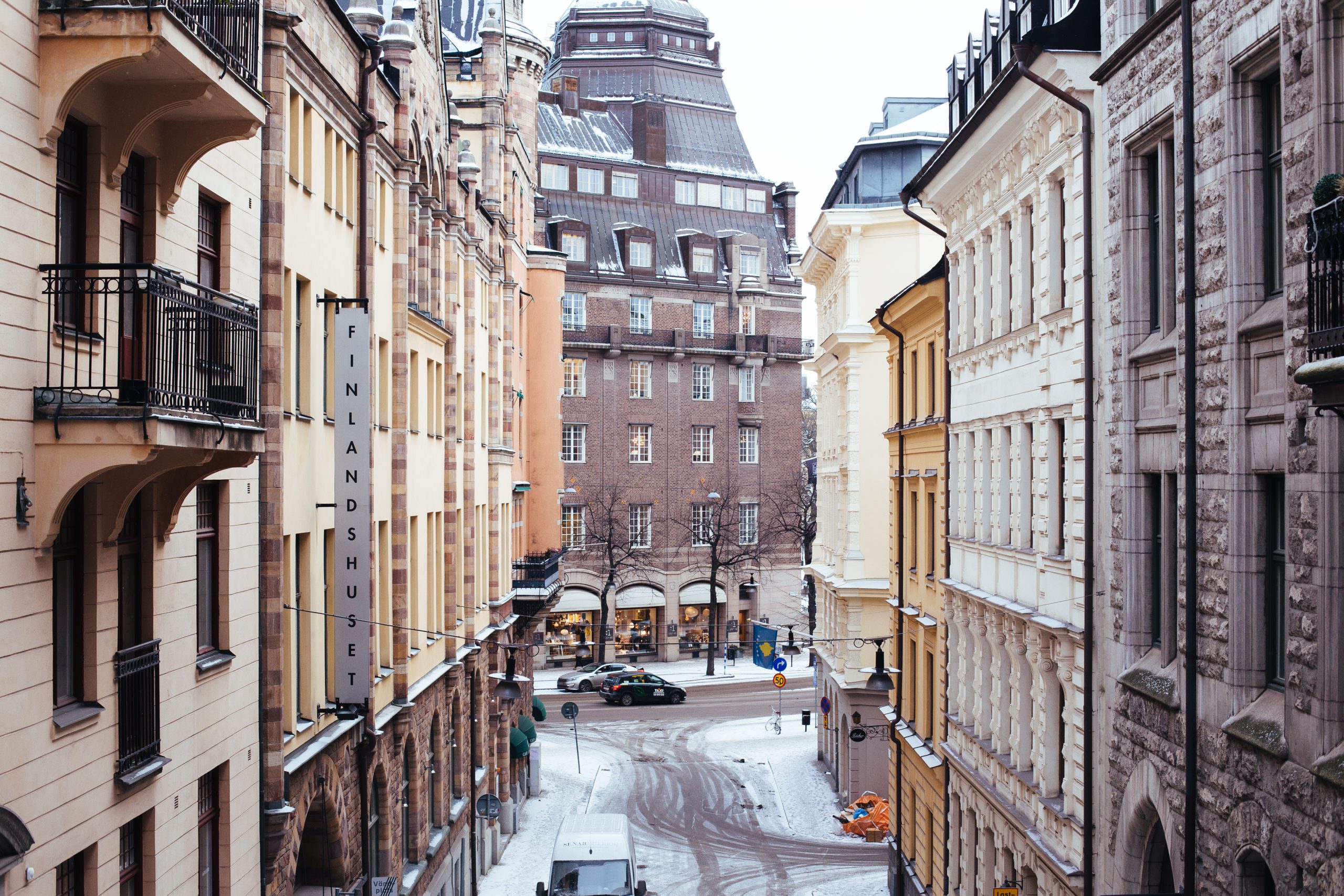
A snowy street in Stockholm

A Stockholm winter typically sits within a few degrees of freezing rather than deep in negative numbers. Average daily temperatures from December through February generally range from about -3°C to 2°C, according to climate normals published by SMHI, Sweden’s national meteorological agency. Cold snaps below -10°C do happen most winters, but sustained extreme cold is … Read more

What Happens in Stockholm in July? A Practical Look

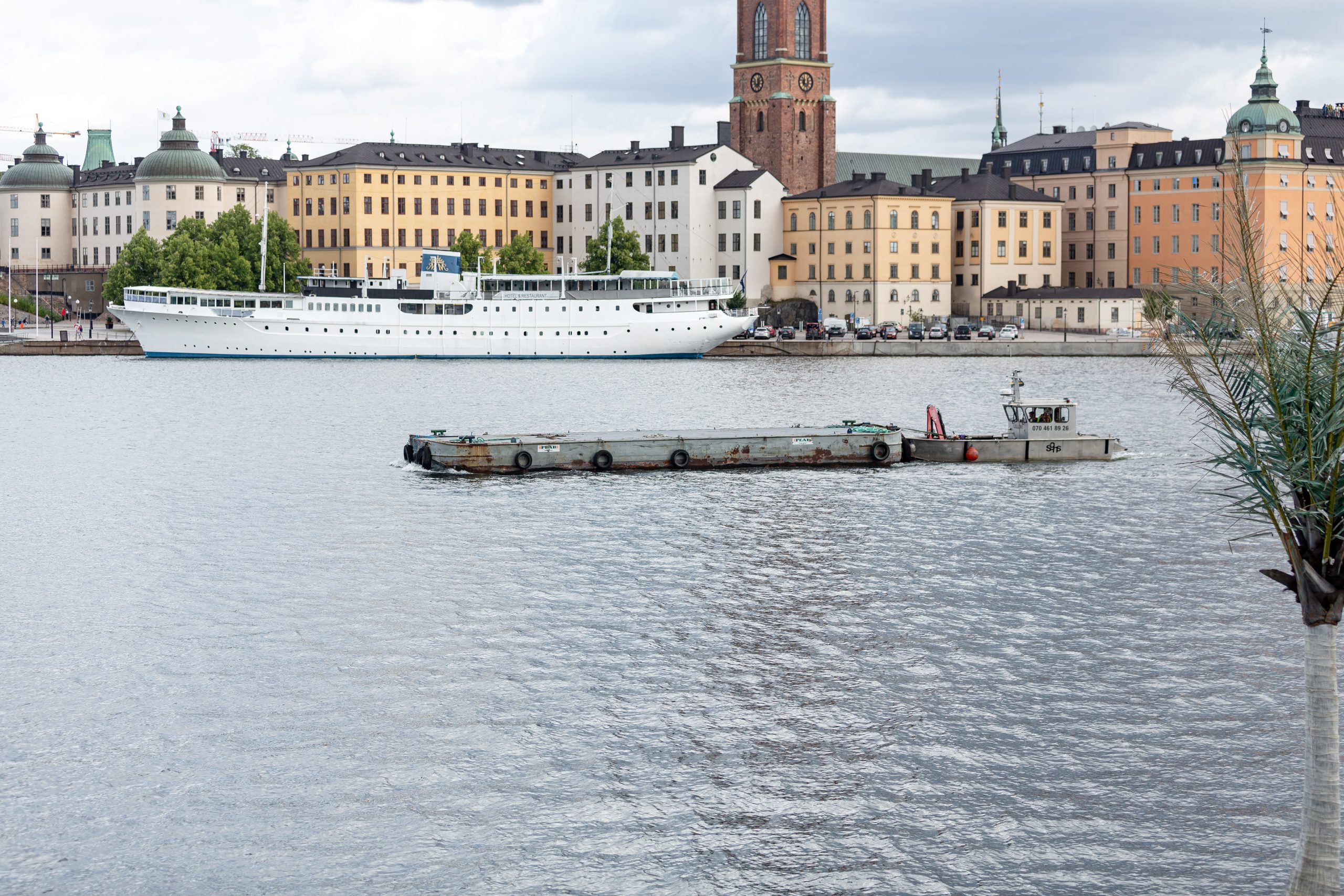
Riddarholmen across Riddarfjärden with the hotel ship Mälardrottningen, Stockholm

July in Stockholm is the warmest month of the year on average, with roughly 18-20 hours of daylight around the solstice tapering off through the month, and a city centre that empties out as residents leave for the archipelago and the countryside. Museums generally stay open, but many restaurants and shops in inner-city neighbourhoods close … Read more

What Is Midsummer, and What Happens to Stockholm?

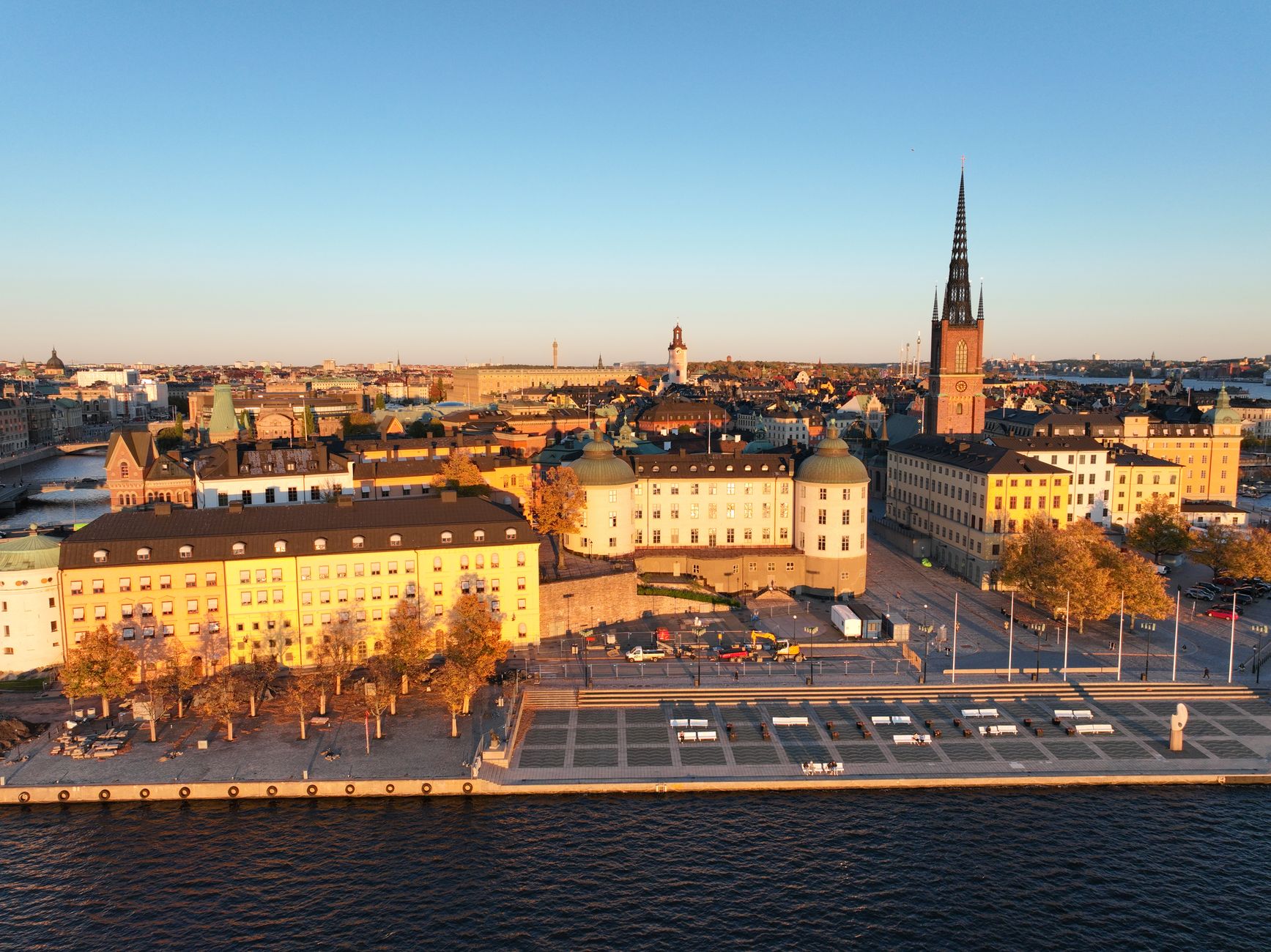
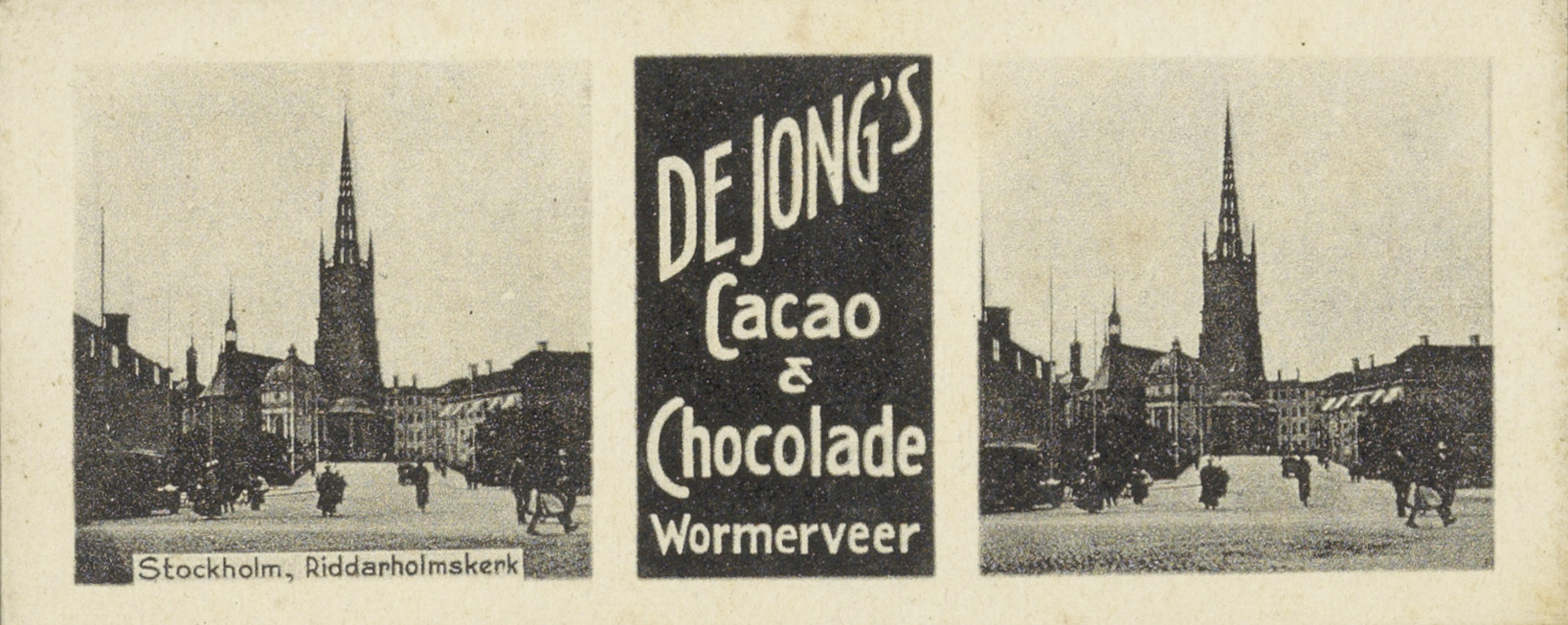
Exterior of Riddarholmskyrkan on Riddarholmen in Stockholm

Midsummer, or midsommar, is a Swedish public holiday marking the summer solstice with a fixed pattern of rituals — raising a maypole, eating pickled herring and new potatoes, singing drinking songs — that is celebrated more in the countryside and archipelago than in the city itself. Central Stockholm empties out for a long weekend as … Read more

About what you read here. Access Stockholm is an independent guide written from published, checkable sources — museum and transport operators’ own information, official city and tourism data, and the public record. We have not visited the places we write about, and we do not publish personal recommendations or invented “local favourites”. Where we point to something notable we say who says so.

Opening times, fares, closures and prices change, often at short notice. Everything here is a starting point, not a booking confirmation — always check the venue’s or operator’s own site before you build a day around it. We are not a travel agency and we give no advice on visas, insurance, health or safety requirements; for those, use your own government’s official guidance.

We do not book anything. Access Stockholm is a guide. It sells nothing, takes no bookings or reservations, handles no payments, and holds no tickets, rooms or seats. Some links here lead to travel companies, and some of those are affiliate links that may earn this site a commission at no extra cost to you. Any booking you make is a contract between you and that company, under its own terms, prices and cancellation rules. We are not a party to it and have no responsibility for it — including availability, prices, changes, cancellations, refunds or anything that goes wrong on the trip. Check the details with the company before you pay.