What is Utö?
Utö is an island in the southern part of the Stockholm archipelago, roughly 40 kilometres from central Stockholm, within Haninge municipality. It has permanent residents, a working harbour, a former iron-ore mine that operated for centuries, a preserved windmill, and beaches on its eastern side. It is reached by passenger ferry and is used year-round, though far more heavily in summer.
Where is Utö, and how big is it?
Utö sits near the outer edge of the archipelago’s southern arm, closer to open Baltic water than to the city. It is one of the larger inhabited islands in that part of the archipelago, with a landmass that supports farmland, forest, several small settlements and a village centre near its main harbour, Gruvbryggan. For a sense of scale against the archipelago as a whole, see the overview of how big the Stockholm archipelago actually is and how it is organised into zones.
How do you get to Utö?
Utö is reached by boat, not by road connection to the mainland. The main operator serving the southern archipelago, Waxholmsbolaget, runs scheduled services to Utö, typically departing from Årsta brygga south of the city rather than from central Stockholm, with the crossing taking a meaningful part of an hour depending on the route and stops. Timetables vary sharply between summer and winter and should always be checked directly on the operator’s own site before travel.
General patterns for how archipelago boat travel is structured — seasonal timetables, which piers serve which islands, and how tickets work — are covered in how Stockholm archipelago boats work through the season and in the broader practical guide to actually visiting the archipelago.
What is Utö known for historically?
Utö’s defining historical feature is iron-ore mining. Ore was extracted on the island from the medieval period through to the late 19th century, making it one of the oldest mining sites in Sweden and unusual for taking place on an archipelago island rather than the mainland. Mining shaped the island’s economy, its population and its built environment, and the remains of that industry — mine workings, worker housing and industrial buildings — are still visible today.
A windmill overlooking the harbour is one of the island’s best-known landmarks and a common reference point in descriptions of Utö, standing as a marker of the agricultural life that ran alongside mining.
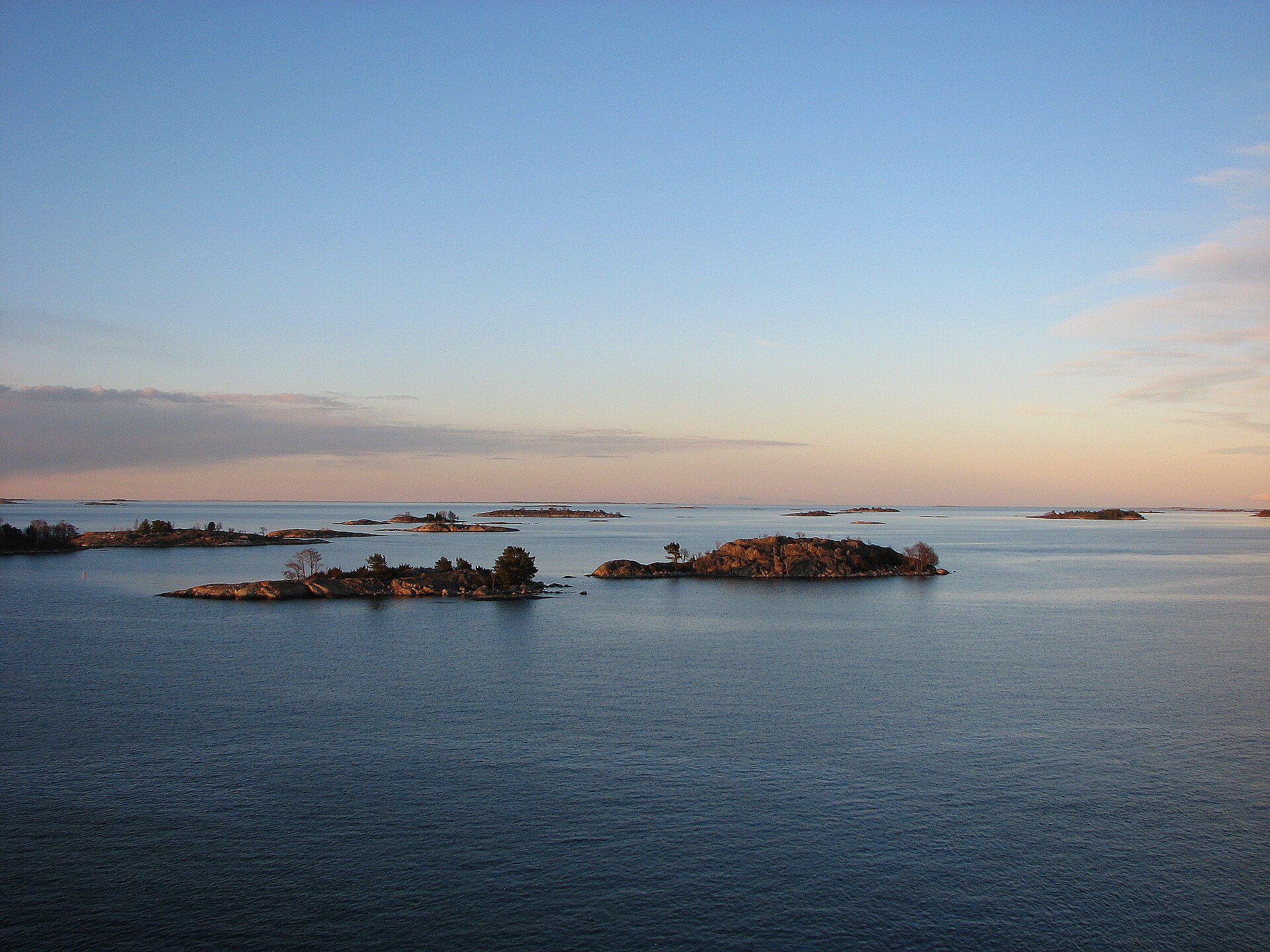
.jpg)
What is there to see and do on Utö today?
The island’s attractions are a mix of industrial heritage and outdoor recreation rather than curated sights in the museum sense:
- The former mining area, with surviving mine buildings and information on the island’s ore history.
- The windmill near the main harbour, a fixture of the local skyline.
- Sandy beaches on the eastern side of the island, among the more accessible archipelago beaches from Stockholm.
- A network of roads and tracks used for cycling and walking across the island, with bicycle hire commonly available near the harbour in season.
- A village centre with a church, shops and services that operate on a reduced, seasonal basis.
Movement on and around the island, including through forest and farmland, falls under allemansrätten, Sweden’s right of public access, which shapes how open land can be used even where it is privately owned.
Is Utö good for a day trip or an overnight stay?
Utö works as a long day trip from Stockholm given the ferry crossing time, but its size and the spread of its attractions — mine area, beaches, harbour village — reward more than a few hours, and overnight accommodation exists on the island for travellers who want to explore beyond the immediate harbour. The general logistics of building an archipelago day around ferry schedules are covered in how to fit the archipelago into a short trip and, for a single day specifically on the water, in a day in Stockholm on the water.
What is Utö like outside summer?
Outside the summer months, ferry frequency drops, seasonal shops and cafés close, and the island’s population is largely its year-round residents rather than visitors. This pattern is common across the archipelago’s outer islands and is worth understanding before planning an off-season visit, since services that operate reliably in July may not run at all in January. The operator’s own published timetable is the only reliable source for what is actually running on a given date.
How does Utö compare to other archipelago islands?
Utö is more industrial in its history than islands built primarily around sailing or fortification. It differs from Sandhamn, the archipelago’s sailing village, which grew up around maritime trade and yacht racing, and from Vaxholm, fortified to guard the approach to Stockholm. It is closer in character to Grinda as a nature-and-beach destination, but distinguished by its mining heritage, which has no real equivalent elsewhere in the archipelago.
For a wider view of how these islands fit together, and how the archipelago is typically divided for planning purposes, the Parks & Archipelago section and the Day Trips archive group the individual island profiles alongside practical planning pieces.
What should a first-time visitor check before going?
Before travelling, confirm the current ferry schedule and departure pier directly with Waxholmsbolaget, since routes to Utö and other southern-archipelago islands change between seasons and are sometimes split across different piers on the mainland. It is also worth checking which harbour a given service actually stops at on Utö itself, as some routes call at more than one point on the island.
Broader questions about archipelago travel — ticketing, boat types, how the season shapes what is running — are addressed in the practical planning hub, alongside guidance on getting around the city itself before or after an island trip.
Access Stockholm is an independent guide written from published, checkable sources. We have not visited the places described here and we do not publish personal recommendations or invented ‘local favourites’ — where something is singled out as notable, we say who says so. Opening times, fares, closures and prices change at short notice, so treat everything here as a starting point and confirm with the museum, operator or venue directly before building a day around it. We give no advice on visas, insurance, health or safety; use your own government’s official guidance for those.
Featured image: Photo by Srishti Sethi, source, CC BY-SA 4.0
